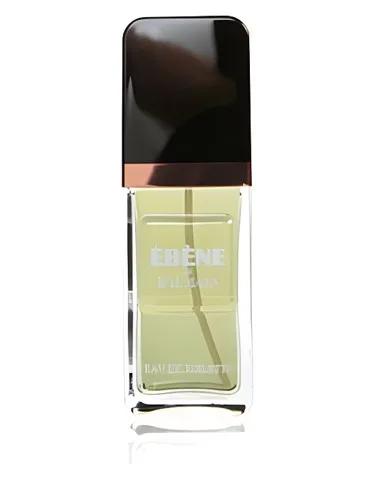
Agua Brava
Agua Brava opens with a rush of sage and lavender that feels almost medicinal—sharp, green, and unapologetically masculine in the old Spanish style.

The scent fingerprint
Weighted by intensity across 13 accords.
Every perfume in Sillage is represented as a distribution across canonical accord slugs — a lingua franca for scent. Two fragrances with overlapping fingerprints are scent-twins, even if they share no literal note.
- Lavender75
- Woody70
- Earthy65
- Leather
The note pyramid
- Sage
- Lavender
- Bergamot
- Clove
- Thyme
- Sandalwood
By the editors · 2 min readAgua Brava opens with a rush of sage and lavender that feels almost medicinal—sharp, green, and unapologetically masculine in the old Spanish style. The bergamot softens the edges just enough to keep it from tilting into astringency. As it settles, clove and thyme add a dusty, herbal warmth that recalls barbershops and ceramic tiles in summer heat.
The base is where it finds its footing: sandalwood and vetiver create a woody frame, while leather and patchouli give it a rugged, worn-in quality. There's no sweetness to speak of, just a clean, aromatic musk that stays close and fades gracefully.
This is a fragrance from another era, built for men who didn't need their scent to announce itself across a room. It smells like discipline and simplicity—bracing in the morning, comforting by evening, utterly unfashionable and somehow all the better for it.
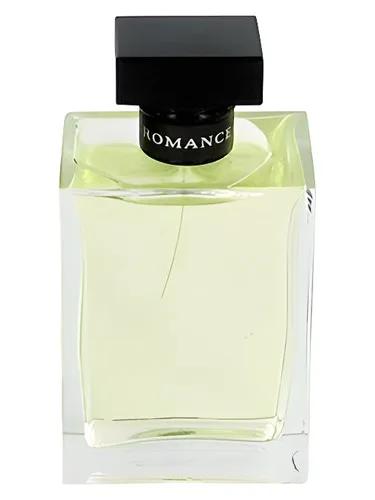
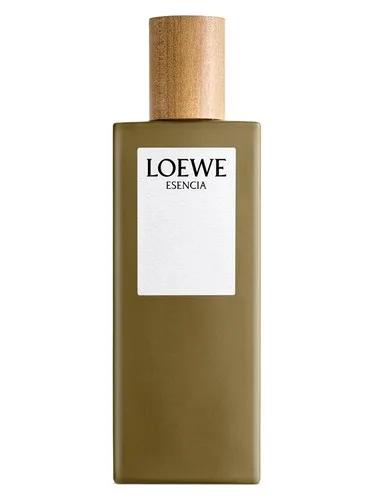
Scent twins
In this family
Factual metadata (name, house, year, notes) is seeded from public datasets. The editorial reading and scent fingerprint are written by Claude against our house style — none of it is scraped prose. Read our methodology.