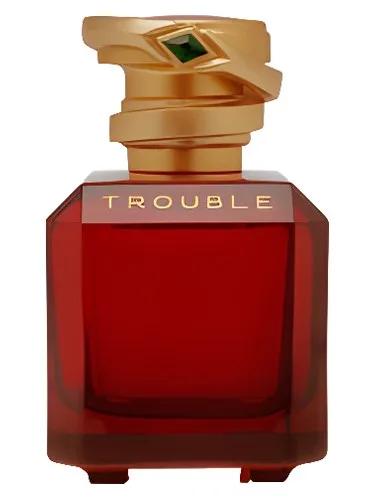
Trouble
Trouble opens with a bright lemon that quickly softens into something warmer and less citrus-forward than expected.

The scent fingerprint
Weighted by intensity across 12 accords.
Every perfume in Sillage is represented as a distribution across canonical accord slugs — a lingua franca for scent. Two fragrances with overlapping fingerprints are scent-twins, even if they share no literal note.
- Woody75
- Floral70
- Citrus60
- Amber
The note pyramid
- Lemon
- Jasmine
- Sandalwood
- Amber
- Cedar
- Musk
By the editors · 2 min readTrouble opens with a bright lemon that quickly softens into something warmer and less citrus-forward than expected. The jasmine emerges within minutes, powdery and slightly indolic, threading through the composition without dominating it. This is jasmine treated with restraint, more suggestion than proclamation.
The dry-down is where the perfume settles into its character: a woody-musky base anchored by sandalwood and cedar, rounded out with amber's resinous sweetness. The musk here feels clean rather than animalic, giving the entire structure a polished, almost soapy finish.
Despite its name, Trouble feels remarkably composed—neither daring nor particularly troublesome. It sits comfortably in the early 2000s tradition of accessible white florals with warm woods, the kind of fragrance that works equally well in an office or at dinner. Straightforward, wearable, perhaps a bit too polite for the intrigue its name suggests.
Scent twins
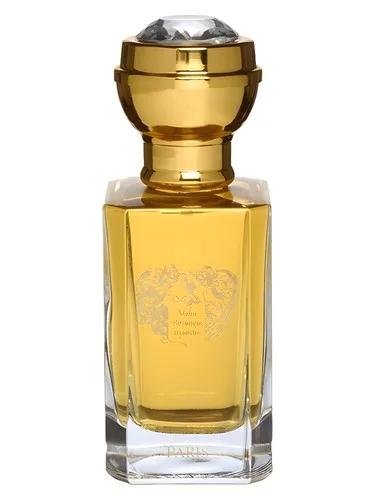
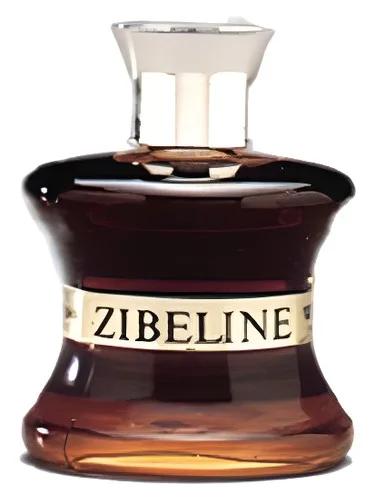
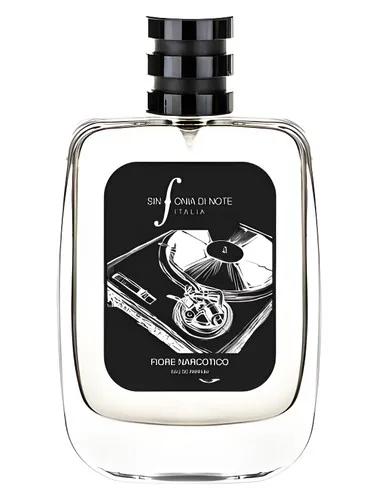
Factual metadata (name, house, year, notes) is seeded from public datasets. The editorial reading and scent fingerprint are written by Claude against our house style — none of it is scraped prose. Read our methodology.
