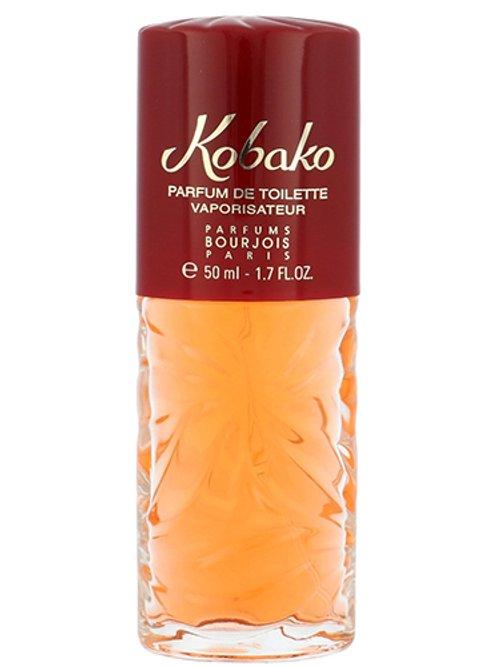
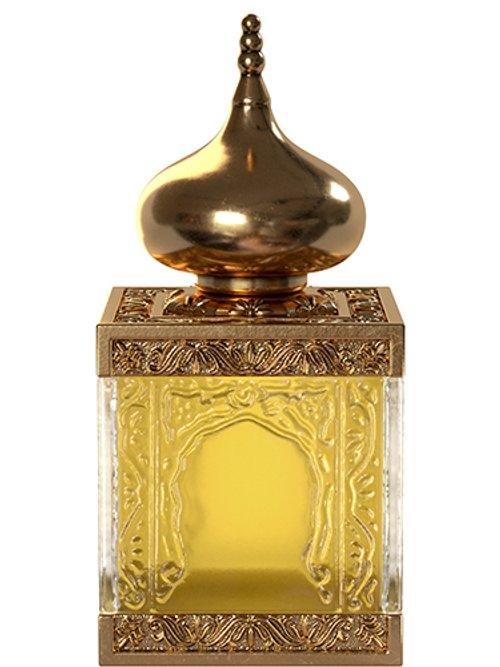
Kobako
A dry cinnamon haze opens Kobako, spiced and slightly dusty, as though carried from an old lacquer box lined with powdered bark.

The scent fingerprint
Weighted by intensity across 13 accords.
Every perfume in Sillage is represented as a distribution across canonical accord slugs — a lingua franca for scent. Two fragrances with overlapping fingerprints are scent-twins, even if they share no literal note.
- Fresh50
- White Floral50
- Animalic50
- Citrus
The note pyramid
- Cinnamon
- Gardenia
- Magnolia
- Jasmine
- Lily
- Iris
- Rose
By the editors · 2 min readA dry cinnamon haze opens Kobako, spiced and slightly dusty, as though carried from an old lacquer box lined with powdered bark. This is not gourmand warmth but something stranger—a resinous, almost incense-like edge that clings to white florals waiting beneath. As the gardenia and magnolia emerge, they bring a creamy opacity, their petals held taut against the spice rather than melting into it.
The heart unfolds into a dense arrangement of jasmine, lily, iris, and rose, each flower discernible yet pressed into a singular waxy bloom. There's a vintage heaviness here, bolstered by civet and ambergris in the base—animalic, skin-close, faintly sour in the way old perfumes sometimes are. The musk beneath is soft but insistent, like talc left on warm skin.
Kobako belongs to an era when perfume was meant to announce rather than whisper. It suits those drawn to pre-war orientals and floral chypres that refuse easy charm, demanding patience instead.
Scent twins
Factual metadata (name, house, year, notes) is seeded from public datasets. The editorial reading and scent fingerprint are written by Claude against our house style — none of it is scraped prose. Read our methodology.