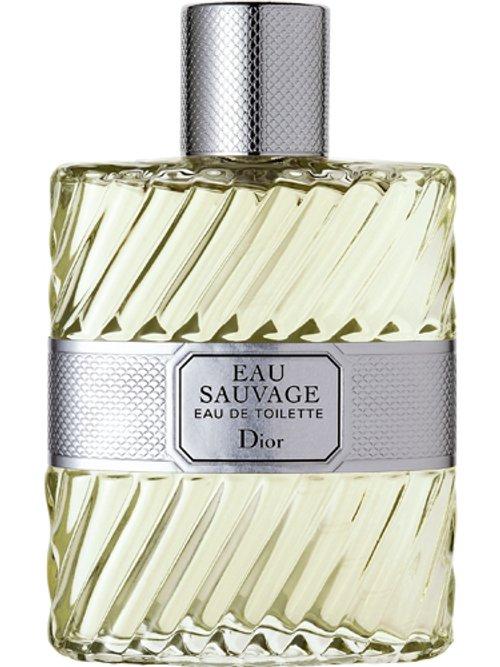
Eau Sauvage
Eau Sauvage opens with a bracing citrus clarity—lemon and bergamot lifted by aromatic herbs that feel more medicinal than culinary.

The scent fingerprint
Weighted by intensity across 15 accords.
Every perfume in Sillage is represented as a distribution across canonical accord slugs — a lingua franca for scent. Two fragrances with overlapping fingerprints are scent-twins, even if they share no literal note.
- Citrus80
- Mossy70
- Lavender60
- Herbal
The note pyramid
- Lavender
- Rosemary
- Rosemary
- Basil
- Basil
- Cumin
- Lemon
- Lemon
By the editors · 2 min readEau Sauvage opens with a bracing citrus clarity—lemon and bergamot lifted by aromatic herbs that feel more medicinal than culinary. The shock is deliberate, almost austere, like stepping into cold water on a summer afternoon. Within minutes, the sharpness softens as lavender and jasmine emerge, but never quite sweetly; they remain tethered to the green, mossy foundation beneath.
What follows is a study in restraint. The sandalwood and oakmoss create a powdery, silvered base that smells both clean and lived-in, like a well-kept linen closet in an old house. The florals never shout. The vetiver stays dry and gray rather than rooty or smoky.
This is tailoring translated to scent—precise, self-possessed, neither warm nor cold. It suits anyone who prefers understatement to charm, and morning light to evening shadow. Eau Sauvage doesn't seduce; it clarifies.
Scent twins
Factual metadata (name, house, year, notes) is seeded from public datasets. The editorial reading and scent fingerprint are written by Claude against our house style — none of it is scraped prose. Read our methodology.