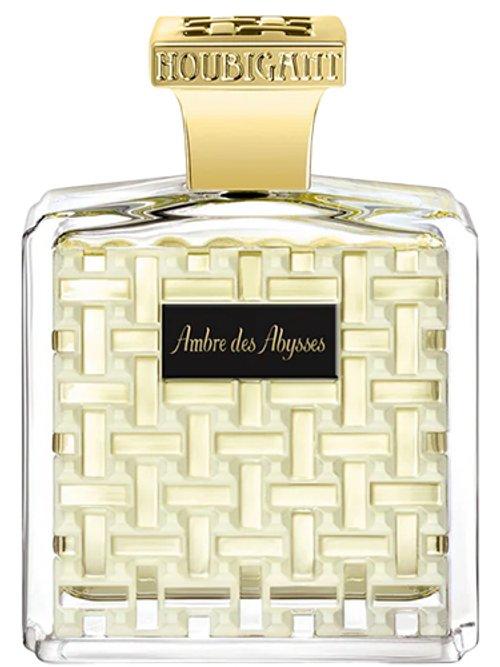
Azurēe
The opening is sharp and medicinal—sage and basil collide with white florals in a way that feels bracing rather than sweet.

The scent fingerprint
Weighted by intensity across 13 accords.
Every perfume in Sillage is represented as a distribution across canonical accord slugs — a lingua franca for scent. Two fragrances with overlapping fingerprints are scent-twins, even if they share no literal note.
- Mossy80
- Earthy75
- Floral65
- Leather
The note pyramid
- Gardenia
- Sage
- Basil
- Jasmine
- Bergamot
- Vetiver
- Jasmine
By the editors · 2 min readThe opening is sharp and medicinal—sage and basil collide with white florals in a way that feels bracing rather than sweet. This is gardenia stripped of its usual indolic softness, kept taut by vetiver and bergamot that refuse to let it sprawl. The effect is old-school in the best sense: a green chypre with backbone, from an era when women's fragrances didn't apologize for their forcefulness.
As it settles, oakmoss takes command, anchoring jasmine and ylang-ylang in something earthy and almost masculine. There's a leather facet that emerges quietly, more saddle soap than suede, while patchouli and amber add weight without turning the composition sweet. It wears close and serious, like linen trousers and good jewelry—unfussy, expensive in gesture rather than display.
This is not a fragrance for casual wear or warm weather ease. It asks for intention and rewards restraint, best suited to those who appreciate chypres before reformulation softened their edges.
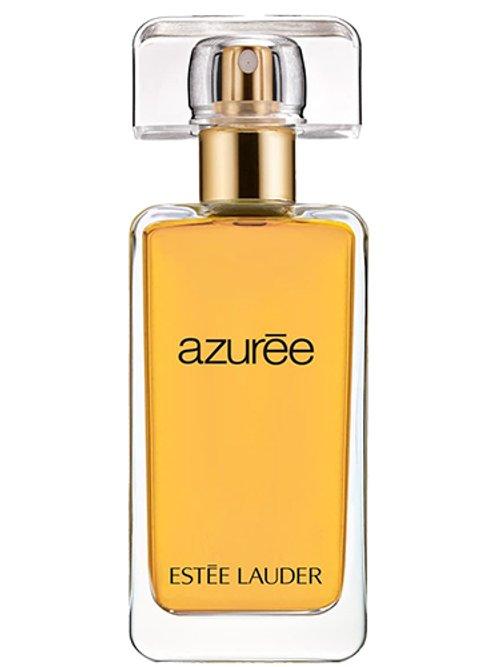
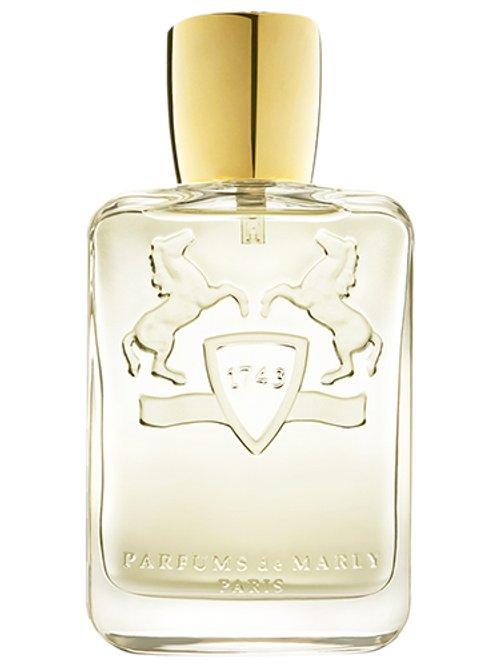
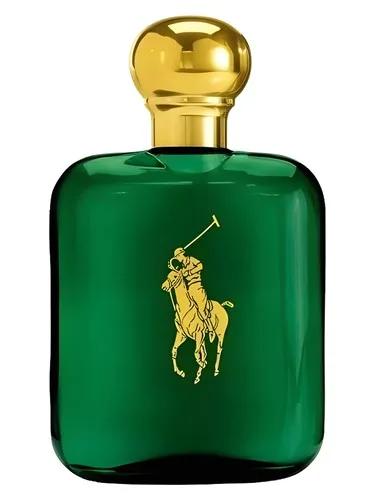
Scent twins
Factual metadata (name, house, year, notes) is seeded from public datasets. The editorial reading and scent fingerprint are written by Claude against our house style — none of it is scraped prose. Read our methodology.