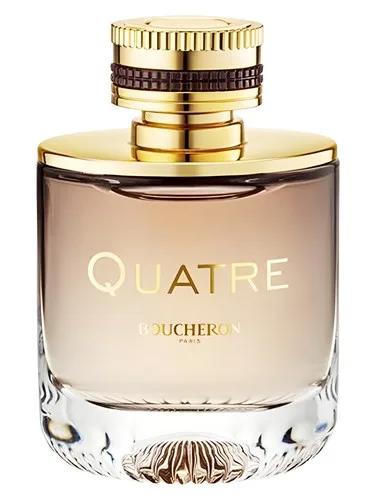
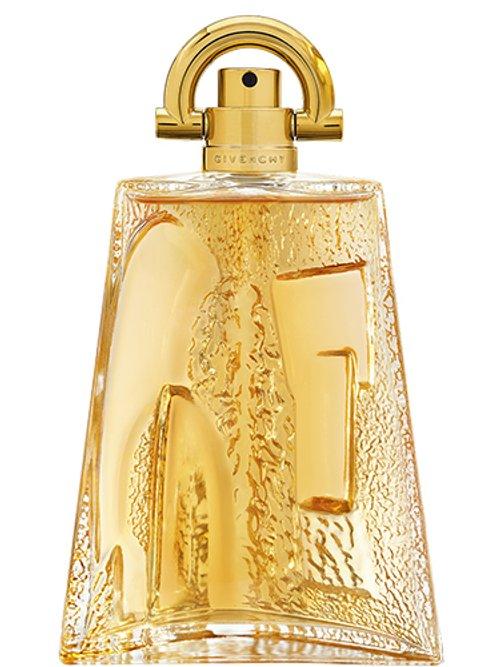
Pi
Opening with a bright herbaceous jolt—tarragon, rosemary, basil—Pi immediately signals that it's not another safe masculine.

The scent fingerprint
Weighted by intensity across 12 accords.
Every perfume in Sillage is represented as a distribution across canonical accord slugs — a lingua franca for scent. Two fragrances with overlapping fingerprints are scent-twins, even if they share no literal note.
- Sweet85
- Herbal75
- Vanilla70
- Almond
The note pyramid
- Tarragon
- Rosemary
- Basil
- Neroli
- Lily of the Valley
- Anise
By the editors · 2 min readOpening with a bright herbaceous jolt—tarragon, rosemary, basil—Pi immediately signals that it's not another safe masculine. The greens are sharp and slightly medicinal, evoking a Mediterranean kitchen garden rather than a cologne counter. This gives way to neroli and anise, an unexpected pairing that adds both floral lightness and a cool, licorice-tinged sweetness.
The base is where Pi settles into its identity: tonka bean, almond, and vanilla create a soft, almost gourmand warmth, grounded by benzoin and a whisper of cedar. The almond reads as marzipan without tipping into dessert territory, while the vanilla stays gentle and skin-close.
The overall effect is oddly comforting—intellectual but approachable, aromatic yet sweet. It suits someone who wants presence without aggression, complexity without pretense. A perfume that refuses to fit neatly into categories, much like its mathematical namesake.
Scent twins
Factual metadata (name, house, year, notes) is seeded from public datasets. The editorial reading and scent fingerprint are written by Claude against our house style — none of it is scraped prose. Read our methodology.