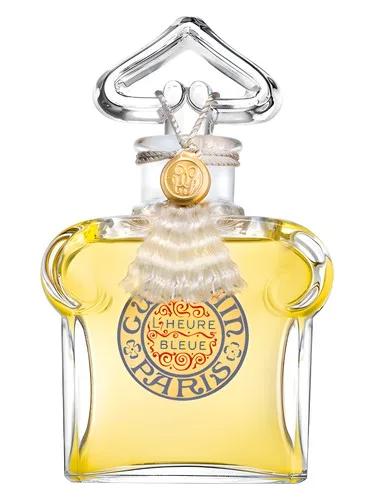
L’Heure Bleue Extract
The anise appears immediately—not as absinthe's sharpness but as a soft aromatic haze softening the bergamot.

The scent fingerprint
Weighted by intensity across 11 accords.
Every perfume in Sillage is represented as a distribution across canonical accord slugs — a lingua franca for scent. Two fragrances with overlapping fingerprints are scent-twins, even if they share no literal note.
- Powdery90
- Iris80
- Sweet80
- Vanilla
The note pyramid
- Bergamot
- Anise
- Neroli
- Tonka Bean
- Benzoin
- Vanilla
By the editors · 2 min readThe anise appears immediately—not as absinthe's sharpness but as a soft aromatic haze softening the bergamot. Within minutes the neroli blooms, giving the opening a pastel glow, like late afternoon light through gauze curtains. This is the perfume's signature hour: neither day nor dusk, but the suspended moment between.
What follows is Guerlain's powdered embrace. Iris and violet settle into the skin as gentle abstractions rather than distinct florals, while tonka and vanilla anchor everything in warmth without turning sweet. The benzoin adds just enough resin to keep it from floating away entirely. The effect is both intimate and composed, a scent that sits close but projects quiet refinement.
L'Heure Bleue suits those drawn to perfumes that whisper rather than announce, and who understand nostalgia as a dimension rather than a flaw. It feels less like wearing a fragrance than inhabiting a certain quality of light.
Scent twins
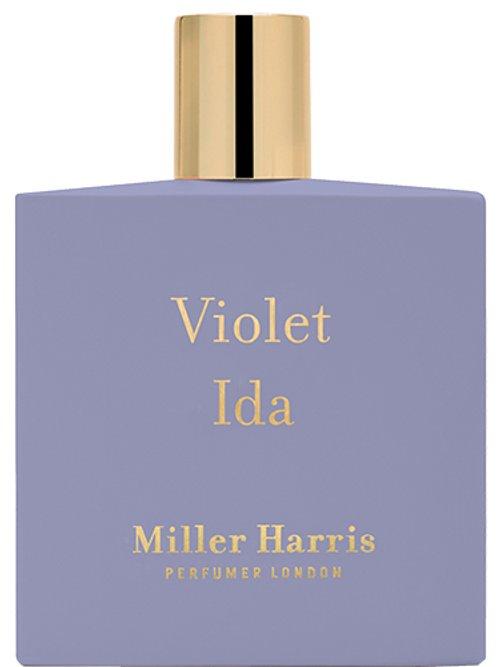
Factual metadata (name, house, year, notes) is seeded from public datasets. The editorial reading and scent fingerprint are written by Claude against our house style — none of it is scraped prose. Read our methodology.