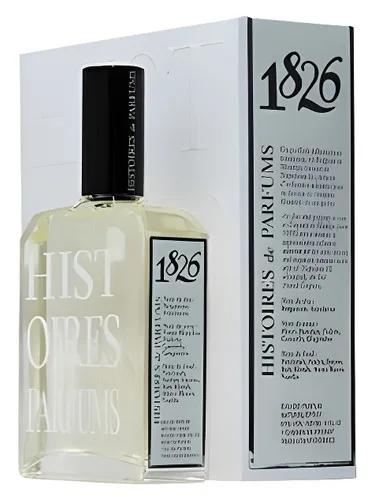
1826
The year in the name references Eugène de Rastignac, Balzac's ambitious protagonist, and this perfume shares that character's crisp confidence.
The scent fingerprint
Weighted by intensity across 13 accords.
Every perfume in Sillage is represented as a distribution across canonical accord slugs — a lingua franca for scent. Two fragrances with overlapping fingerprints are scent-twins, even if they share no literal note.
- Cinnamon75
- Citrus70
- Amber65
- Smoky
The note pyramid
- Bergamot
- Ginger
- Cinnamon
- Violet
- Incense
- Amber
By the editors · 2 min readThe year in the name references Eugène de Rastignac, Balzac's ambitious protagonist, and this perfume shares that character's crisp confidence. Bergamot opens with uncommon clarity before the heart reveals its hand: ginger and cinnamon create warmth without sweetness, while violet adds a slightly powdered, old-world refinement. The spices here feel more tailored coat than exotic bazaar.
What distinguishes 1826 is its restraint with the base materials. Incense and patchouli provide structure rather than drama, while amber and vanilla soften edges without turning gourmand. The musk holds everything in check, preventing the composition from becoming either too resinous or too comfortable.
This is perfume for someone who appreciates spice but mistrusts excess—literary rather than loud, more interested in suggestion than statement. It wears close and evolves slowly, suited to cooler weather and environments where subtlety matters.
Scent twins
Factual metadata (name, house, year, notes) is seeded from public datasets. The editorial reading and scent fingerprint are written by Claude against our house style — none of it is scraped prose. Read our methodology.