Joy
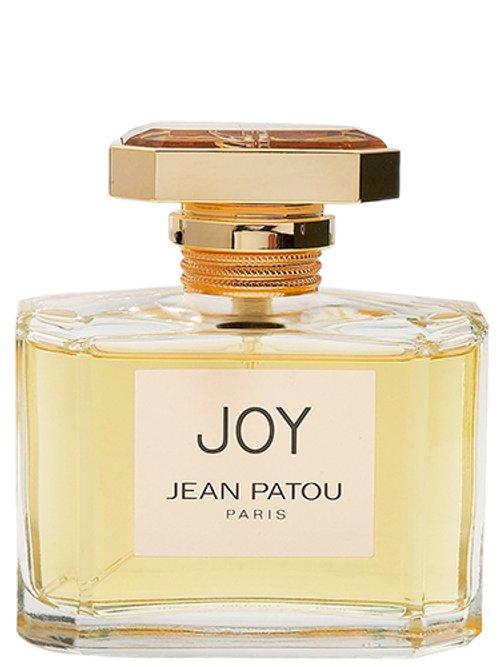
Joy opens with an almost shocking opulence—tuberose and Bulgarian rose arrive simultaneously, their combined richness verging on the indecent.

The scent fingerprint
Weighted by intensity across 9 accords.
Every perfume in Sillage is represented as a distribution across canonical accord slugs — a lingua franca for scent. Two fragrances with overlapping fingerprints are scent-twins, even if they share no literal note.
- Tuberose100
- Floral90
- Rose85
- Yellow Floral
The note pyramid
- Tuberose
- Tuberose
- Bulgarian Rose
- Ylang-Ylang
- Ylang-Ylang
- Peach
- Rose
By the editors · 2 min readJoy opens with an almost shocking opulence—tuberose and Bulgarian rose arrive simultaneously, their combined richness verging on the indecent. There's none of the tentative buildup you expect from modern perfumes. Within minutes, jasmine joins the rose at full volume, creating that famously dense floral wall that made this one of the most expensive perfumes of its era.
The sandalwood base never quite emerges as a separate phase. Instead, it seems to hold everything in suspension, like a pale wooden frame around an oil painting. The musk is similarly structural rather than animalic—it gives the flowers heft without adding warmth.
This is white flowers without softness or sweetness, presented with an almost geometric clarity. It belongs to the world of satin evening gowns and unheated drawing rooms, worn by women who have no need to charm anyone.
Scent twins
In this family
Factual metadata (name, house, year, notes) is seeded from public datasets. The editorial reading and scent fingerprint are written by Claude against our house style — none of it is scraped prose. Read our methodology.
