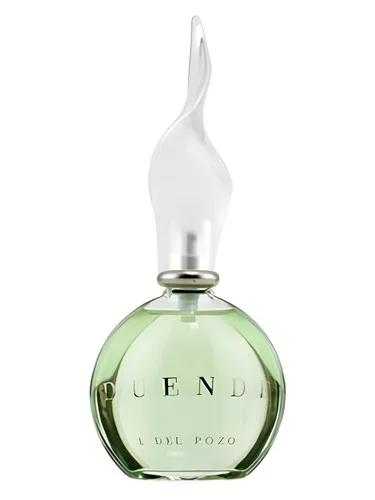
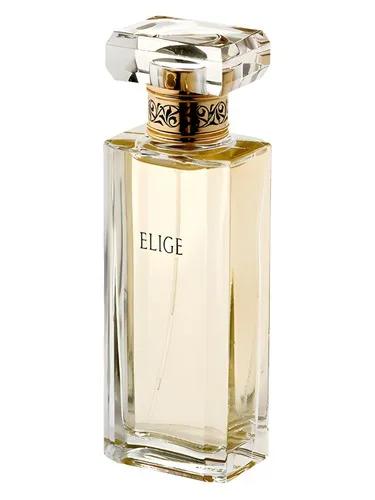
Elige
Mary Kay's Elige opens with a pale, dewy floral accord—lily and freesia layered over peony—that suggests fresh petals rather than loud department-store brightness.

The scent fingerprint
Weighted by intensity across 13 accords.
Every perfume in Sillage is represented as a distribution across canonical accord slugs — a lingua franca for scent. Two fragrances with overlapping fingerprints are scent-twins, even if they share no literal note.
- Tuberose75
- Floral70
- Woody65
- Fresh
The note pyramid
- Lily
- Peony
- Freesia
- Tuberose
- Jasmine
- Ylang-Ylang
By the editors · 2 min readMary Kay's Elige opens with a pale, dewy floral accord—lily and freesia layered over peony—that suggests fresh petals rather than loud department-store brightness. It feels clean but not scrubbed, feminine without frills. The initial impression is soft and approachable, the kind of fragrance that wears close to the skin from the start.
As it develops, the white florals deepen considerably. Tuberose and jasmine arrive with their characteristic richness, tempered by ylang-ylang's creamy sweetness. This is where Elige shows its late-nineties heritage: the heart leans indolic and generous, yet sandalwood and a hint of patchouli in the base keep it grounded rather than cloying. The woods provide a muted, slightly powdery frame that prevents the florals from overwhelming.
Overall, Elige reads as a quieter cousin to the big white-floral blockbusters of its era—substantial but restrained, built for someone who wants presence without projection. It suits settings where subtlety matters more than statement.
Scent twins
Factual metadata (name, house, year, notes) is seeded from public datasets. The editorial reading and scent fingerprint are written by Claude against our house style — none of it is scraped prose. Read our methodology.