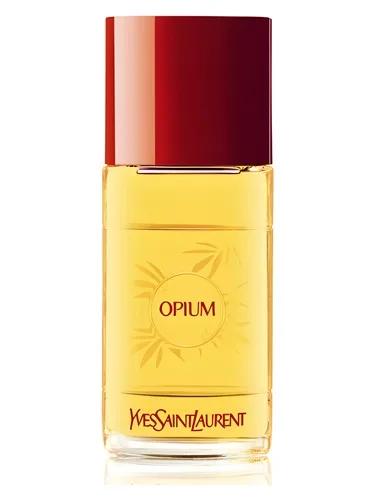
Ambre
Ambre opens with a sharp jolt of clove—medicinal and almost austere—that immediately sets it apart from sweeter amber compositions.

The scent fingerprint
Weighted by intensity across 12 accords.
Every perfume in Sillage is represented as a distribution across canonical accord slugs — a lingua franca for scent. Two fragrances with overlapping fingerprints are scent-twins, even if they share no literal note.
- Woody85
- Amber80
- Patchouli70
- Cinnamon
The note pyramid
- Clove
- Sandalwood
- Guaiac Wood
- Patchouli
- Virginia Cedar
By the editors · 2 min readAmbre opens with a sharp jolt of clove—medicinal and almost austere—that immediately sets it apart from sweeter amber compositions. This isn't the plush oriental you might expect from the name. The spice clears quickly to reveal a sturdy wood core: sandalwood and cedar anchored by earthy patchouli and the smoky rasp of guaiac. There's a deliberate roughness here, a refusal to polish away the raw edges.
As it settles, benzoin and a whisper of musk soften the structure without sweetening it. The ambergris adds a saline mineral quality rather than warmth. What emerges is an amber that reads more like aged wood in a dim workshop than glowing resin in sunlight.
This is spare, unadorned perfumery from an era before amber became synonymous with vanilla and comfort. It suits those who prefer their warmth with a bit of grit, and their woods more weathered than freshly sanded.
Scent twins
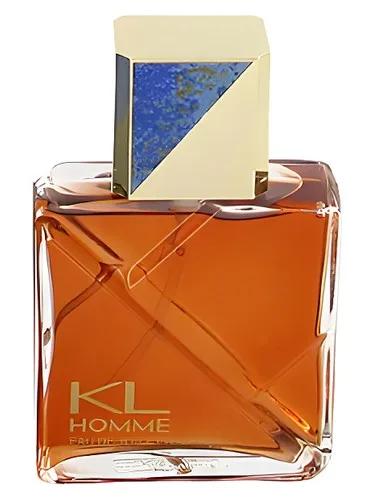
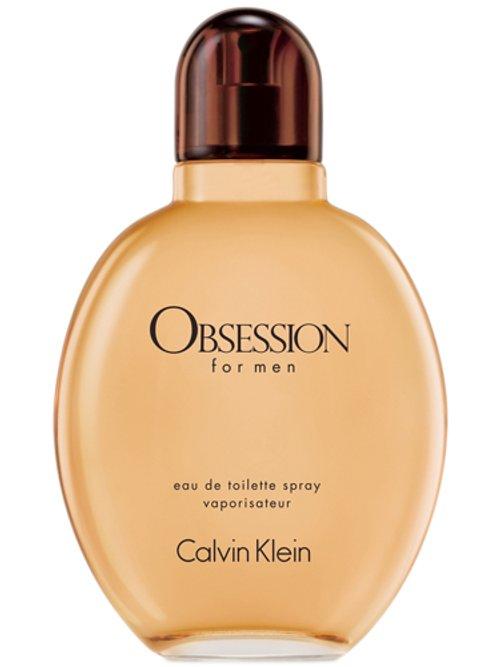
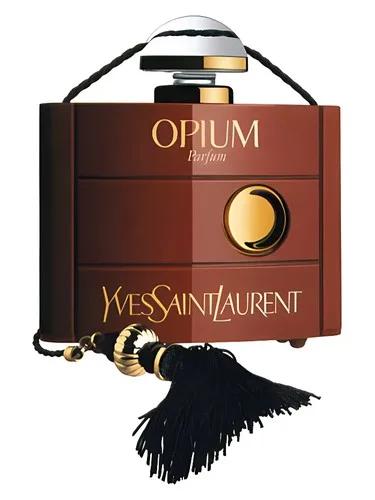
Factual metadata (name, house, year, notes) is seeded from public datasets. The editorial reading and scent fingerprint are written by Claude against our house style — none of it is scraped prose. Read our methodology.