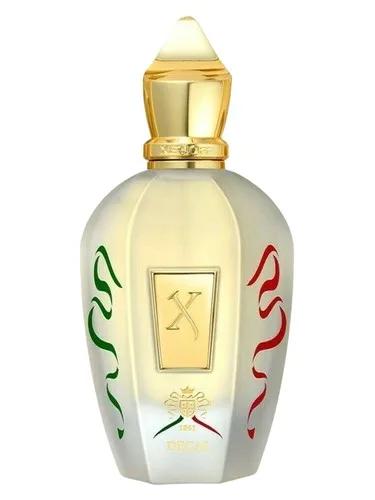
XJ 1861 Decas
The opening is bold and unapologetic: narcotic tuberose collides with raw tobacco leaf, neither one willing to yield.

The scent fingerprint
Weighted by intensity across 13 accords.
Every perfume in Sillage is represented as a distribution across canonical accord slugs — a lingua franca for scent. Two fragrances with overlapping fingerprints are scent-twins, even if they share no literal note.
- Tuberose85
- Tobacco75
- Musky65
- White Floral
The note pyramid
- Tuberose
- Tobacco
- Benzoin
- Opoponax
- Musk
By the editors · 2 min readThe opening is bold and unapologetic: narcotic tuberose collides with raw tobacco leaf, neither one willing to yield. This isn't the polite tuberose of white florals counters—it's indolic, slightly sweaty, pressed against something dry and earthy. The contrast creates immediate tension.
As it settles, benzoin and opoponax emerge with their honeyed resins, softening the edges without dulling them. The tobacco turns sweeter, almost caramelized, while the tuberose maintains its creamy insistence. The two poles—floral and smoky—remain distinct but no longer combative.
What lingers is a warm, close-to-skin musk that holds traces of both the flower and the leaf. It feels decidedly nocturnal, suited to someone who wants presence without volume. The tuberose never fully disappears, but the tobacco keeps it from veering into conventional white floral territory.
Scent twins
Factual metadata (name, house, year, notes) is seeded from public datasets. The editorial reading and scent fingerprint are written by Claude against our house style — none of it is scraped prose. Read our methodology.