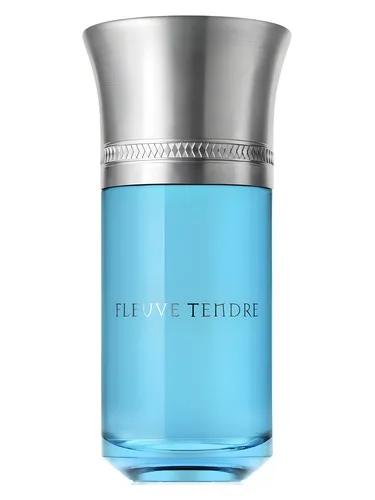
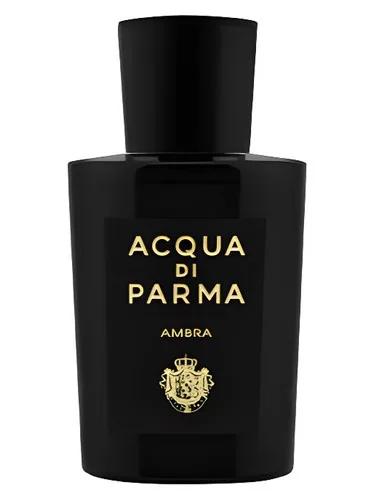
Ambra Eau de Parfum
Petitgrain and bitter orange peel open with a sharp, resinous clarity that feels more like cologne concentrate than casual citrus.
The scent fingerprint
Weighted by intensity across 13 accords.
Every perfume in Sillage is represented as a distribution across canonical accord slugs — a lingua franca for scent. Two fragrances with overlapping fingerprints are scent-twins, even if they share no literal note.
- Woody70
- Patchouli65
- Balsamic60
- Citrus
The note pyramid
- Petitgrain
- Orange
- Cedar
- Patchouli
- Rose
- Sandalwood
By the editors · 2 min readPetitgrain and bitter orange peel open with a sharp, resinous clarity that feels more like cologne concentrate than casual citrus. The brightness doesn't linger long—cedar and patchouli arrive quickly, earthier than expected, grounding the composition in dry wood rather than letting it drift into sweetness.
The heart settles into a subdued rose that never blooms fully, kept in check by the patchouli's herbal restraint. What distinguishes this from typical amber fragrances is the balance: the base brings labdanum's leathery warmth and sandalwood's creamy texture, but stops short of the heavy, resinous density that defines many ambers. The vanilla remains barely perceptible, a suggestion rather than a statement.
This reads as Acqua di Parma's attempt to translate their citrus-forward DNA into something warmer and more substantial. It succeeds as a wearable daytime amber—polished, office-appropriate, never cloying. Those seeking depth or drama may find it restrained to a fault.
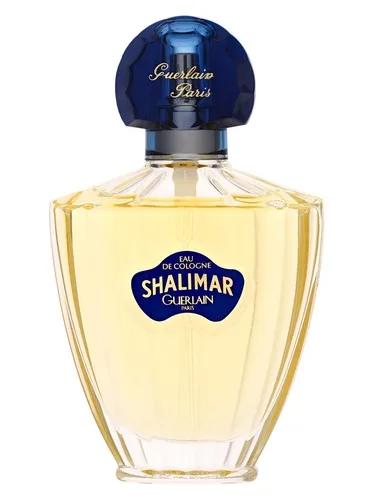
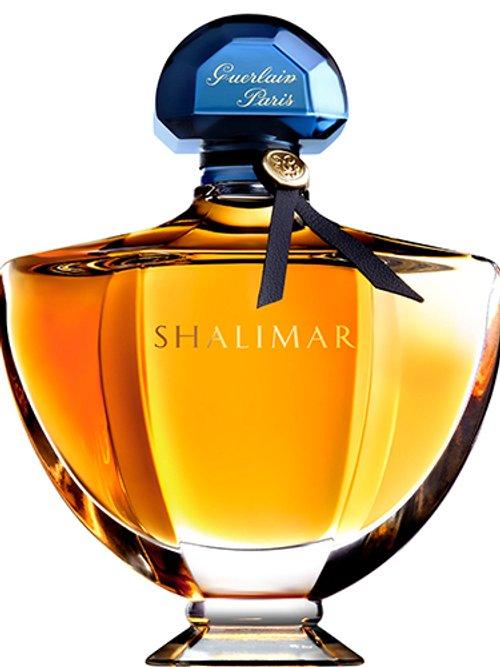
Scent twins
Factual metadata (name, house, year, notes) is seeded from public datasets. The editorial reading and scent fingerprint are written by Claude against our house style — none of it is scraped prose. Read our methodology.