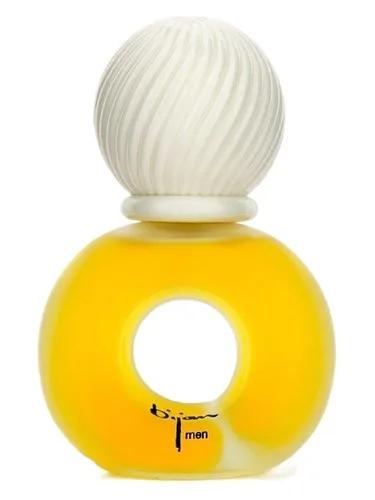
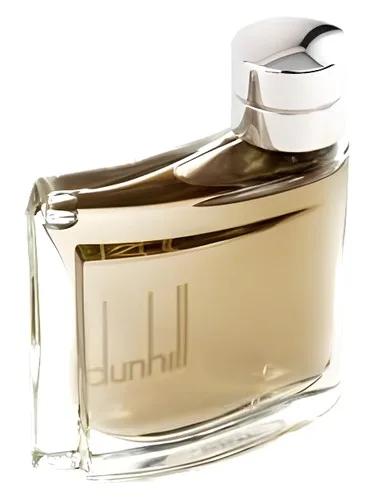
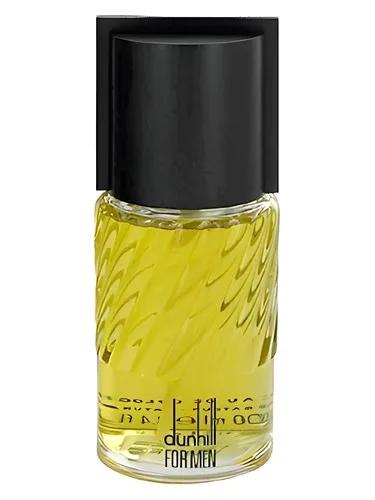
Dunhill
The opening is crisp and herbaceous—lavender tempered by clary sage's aromatic bite, with lemon providing just enough brightness to lift without sweetening.
The scent fingerprint
Weighted by intensity across 15 accords.
Every perfume in Sillage is represented as a distribution across canonical accord slugs — a lingua franca for scent. Two fragrances with overlapping fingerprints are scent-twins, even if they share no literal note.
- Lavender70
- Mossy70
- Woody60
- Leather
The note pyramid
- Lavender
- Lemon
- Clary Sage
- Jasmine
- Cedar
- Iris
- Rose
By the editors · 2 min readThe opening is crisp and herbaceous—lavender tempered by clary sage's aromatic bite, with lemon providing just enough brightness to lift without sweetening. It's a classic fougère gesture, executed with restraint. As it settles, the jasmine and rose remain surprisingly discreet, allowing cedar and iris to create a dry, almost powdery woodiness that feels tailored rather than floral.
The base reveals the fragrance's true character: oakmoss and leather provide earthy backbone, while tonka and sandalwood add warmth without excess. Vetiver threads through the finish, keeping things grounded and slightly green. The overall impression is one of polish and composure—a well-made masculine fragrance from an era when such things didn't need to announce themselves.
This suits conservative tastes and formal contexts. It's the scent of wool suits and leather briefcases, morning meetings and late afternoon light through office windows. Uncomplicated in the best sense.
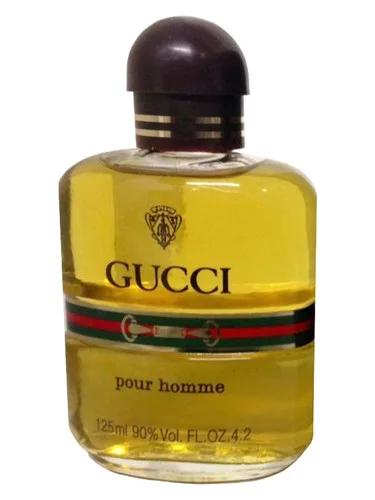
Scent twins
Factual metadata (name, house, year, notes) is seeded from public datasets. The editorial reading and scent fingerprint are written by Claude against our house style — none of it is scraped prose. Read our methodology.