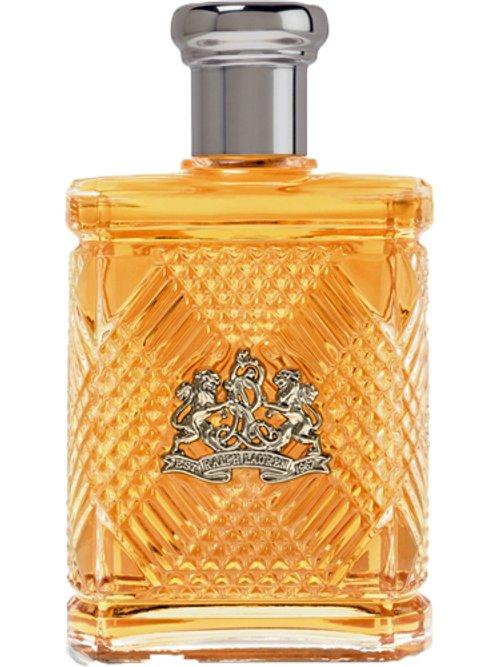
Antaeus
Antaeus opens with a sharp citrus edge—lime and bergamot cut through by the herbal bite of clary sage—that quickly gives way to something darker and more unsettling.

The scent fingerprint
Weighted by intensity across 14 accords.
Every perfume in Sillage is represented as a distribution across canonical accord slugs — a lingua franca for scent. Two fragrances with overlapping fingerprints are scent-twins, even if they share no literal note.
- Mossy95
- Patchouli85
- Leather65
- Herbal
The note pyramid
- Myrrh
- Lime
- Lime
- Lemon
- Bergamot
- Bergamot
- Clary Sage
- Clary Sage
By the editors · 2 min readAntaeus opens with a sharp citrus edge—lime and bergamot cut through by the herbal bite of clary sage—that quickly gives way to something darker and more unsettling. The heart brings a dense tangle of basil and thyme, their green intensity amplified rather than softened by jasmine and rose. This is not floral in any conventional sense; the flowers feel bruised, almost medicinal, caught in a web of bitter herbs.
What emerges in the base is uncompromising: a wall of oakmoss and patchouli, animalic and earthy, grounded by castoreum's leathery warmth. The whole composition feels deliberately masculine in the old sense—dense, unapologetic, slightly austere. It's a fragrance built for cold air and wool coats, for someone who doesn't mind taking up space.
Antaeus belongs to an era when men's fragrances favored weight over transparency. It doesn't seduce so much as assert, and it lingers with the tenacity of its mythological namesake.
Scent twins
Factual metadata (name, house, year, notes) is seeded from public datasets. The editorial reading and scent fingerprint are written by Claude against our house style — none of it is scraped prose. Read our methodology.