Chanel
The ultimate in timeless luxury and elegance.
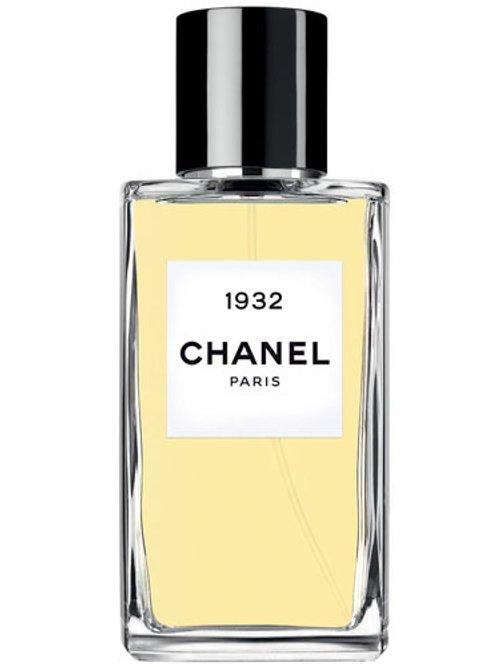
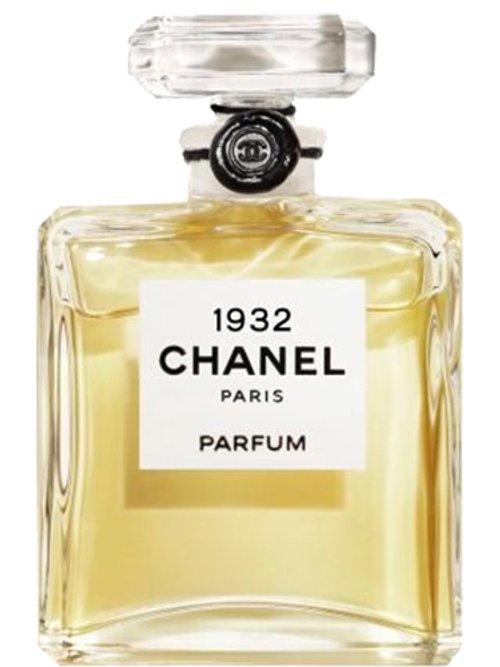
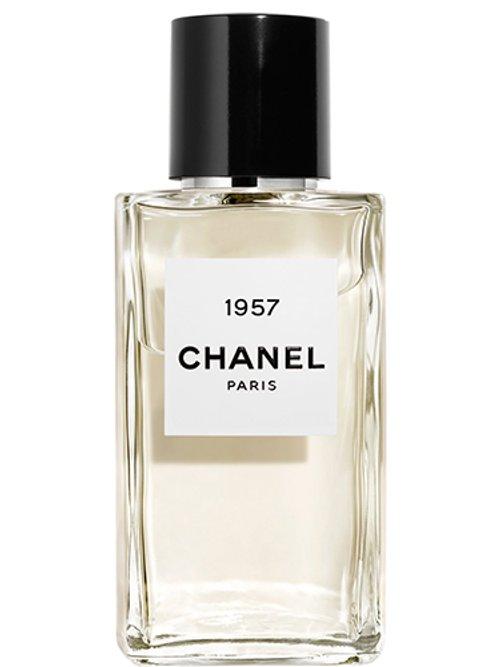
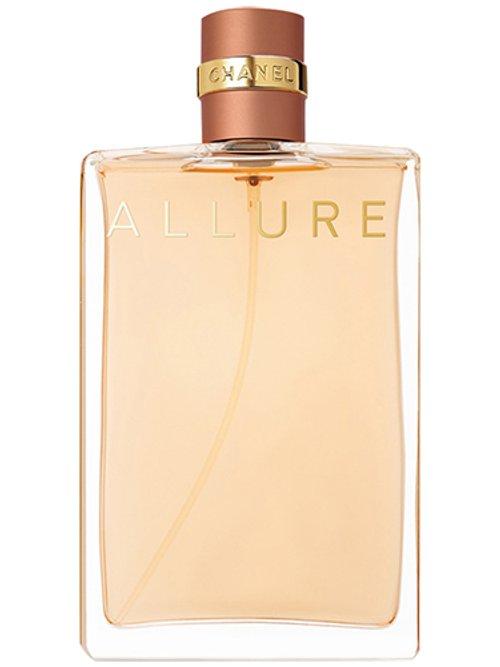
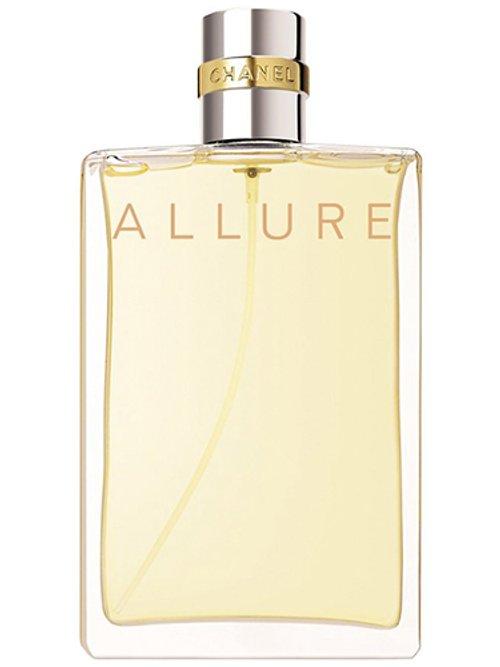
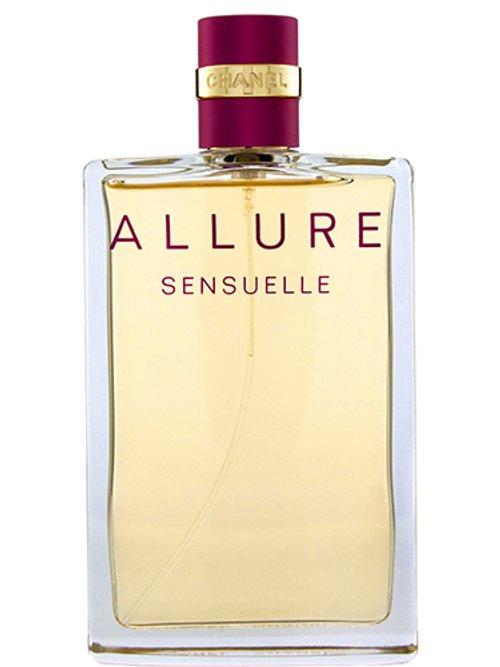
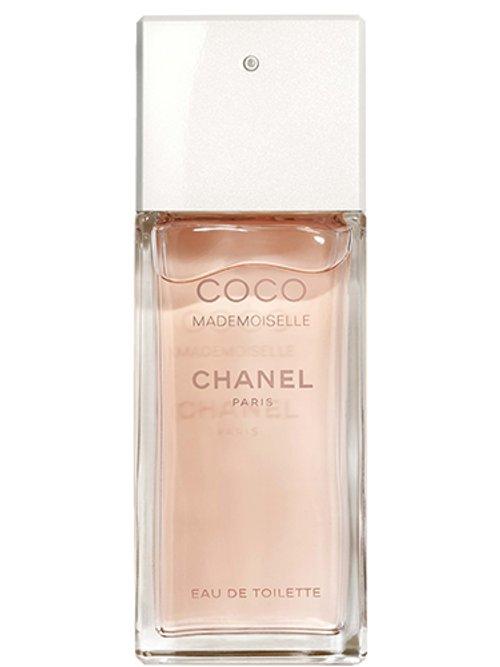
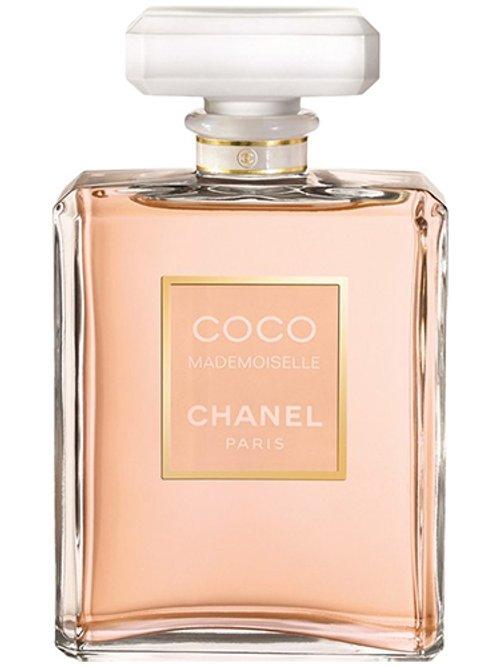
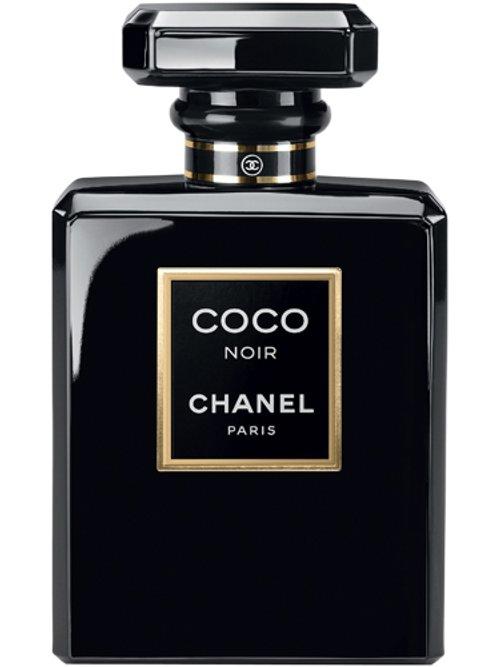
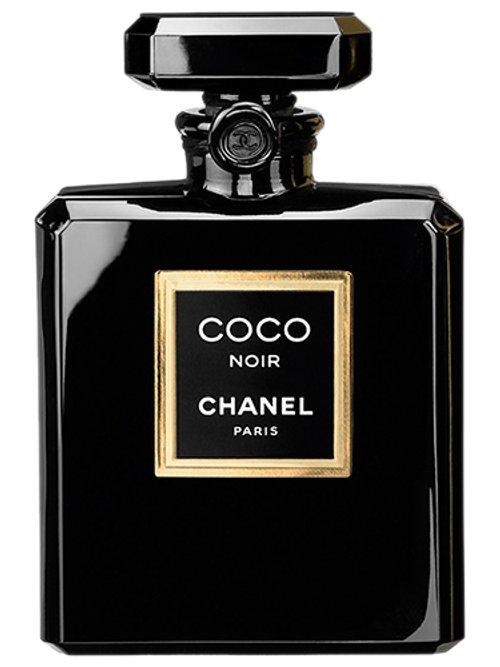
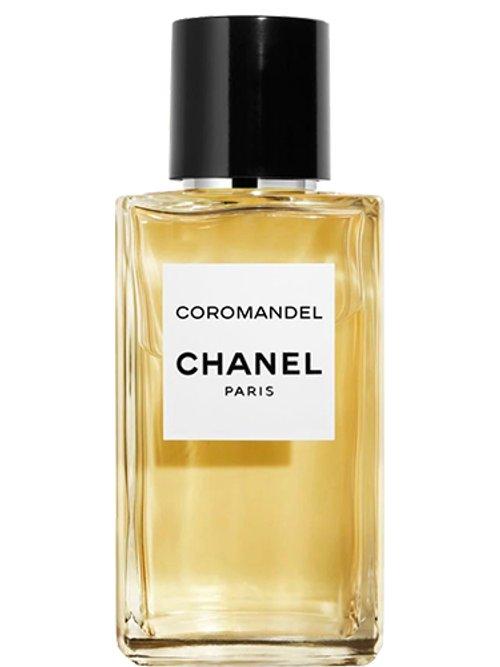
Few fragrance houses carry the historical weight of Chanel. Founded in Paris in 1910 by Gabrielle Coco Chanel, the house released No. 5 in 1921 — a radical departure from the single-floral conventions of the era, built on Ernest Beaux's synthetic aldehydes over a jasmine and rose heart. The move established an abstract, modern idiom in perfumery that still echoes today. Successive in-house perfumers Jacques Polge and Olivier Polge have maintained a rigorous standard: the mainline and Exclusifs collections avoid cheap shortcuts, and reformulations are handled with more transparency than most prestige peers. The house's aesthetic divides between the classical abstract florals of the mid-century catalog and a modern, softer mainstream strand — Chance, Allure, Gabrielle — oriented toward younger buyers. Raw material sourcing from Grasse — jasmine, rose de mai — is a publicly stated priority, and the house's vertical integration in those fields distinguishes Chanel from competitors who license the same crops to multiple accounts.
Releases
DNA over time
Each column is an era. Each colored band shows that family’s share of accord weight across every perfume the house released in that window. Bigger band = the house leaned harder on that family.