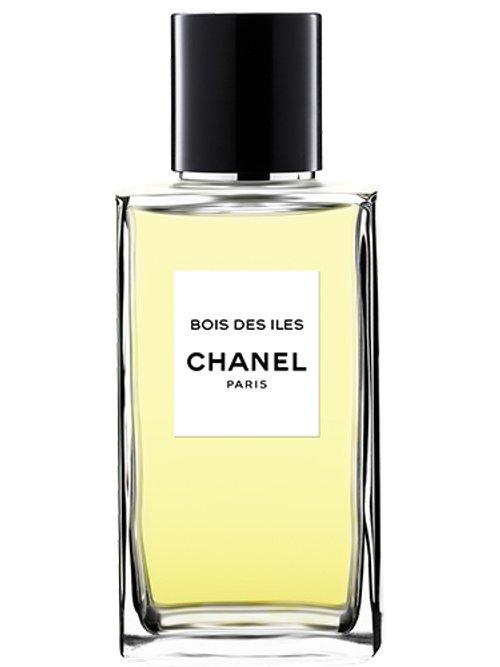
Bois des Iles
The opening is a soft, peachy brightness tempered by neroli—more gauze than glitter.

The scent fingerprint
Weighted by intensity across 19 accords.
Every perfume in Sillage is represented as a distribution across canonical accord slugs — a lingua franca for scent. Two fragrances with overlapping fingerprints are scent-twins, even if they share no literal note.
- Woody75
- Sweet65
- Floral60
- Vanilla
The note pyramid
- Neroli
- Peach
- Bergamot
- Jasmine
- Ylang-Ylang
- Lily of the Valley
- Iris
By the editors · 2 min readThe opening is a soft, peachy brightness tempered by neroli—more gauze than glitter. Within minutes, the fruit recedes and a parade of white florals arrives: jasmine and ylang-ylang anchored by powdery iris and a whisper of rose. The effect is lush but never heavy, the flowers cushioned by sandalwood that feels sun-warmed rather than ceremonial.
As it settles, the composition reveals its architecture. Tonka and vanilla bring sweetness without candy, vetiver adds a dry, grassy edge, and benzoin lends a faint resinous glow. The result is a woody floral that feels both tailored and intimate—an aldehyde-free counterpoint to the era's louder statements.
This is perfume for someone who wants presence without announcing it. It wears close, conjuring polished wood, expensive soap, and skin warmed by wool. Quiet confidence in a bottle.
Scent twins
Factual metadata (name, house, year, notes) is seeded from public datasets. The editorial reading and scent fingerprint are written by Claude against our house style — none of it is scraped prose. Read our methodology.