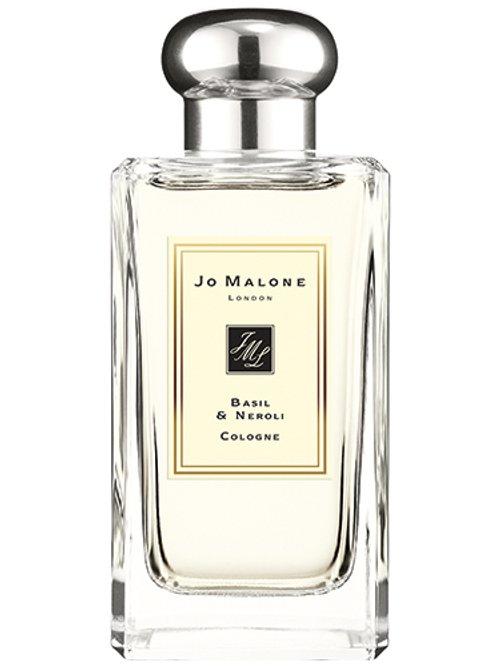
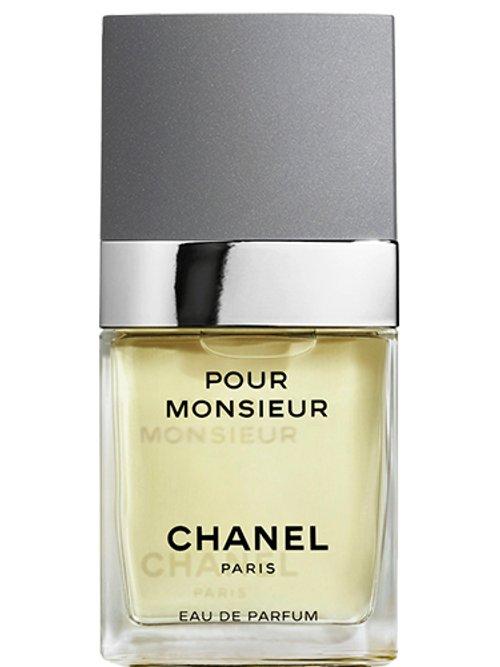
Pour Monsieur
Pour Monsieur opens with a crisp citrus clarity—petitgrain and neroli vibrating at a high frequency, almost transparent.

The scent fingerprint
Weighted by intensity across 13 accords.
Every perfume in Sillage is represented as a distribution across canonical accord slugs — a lingua franca for scent. Two fragrances with overlapping fingerprints are scent-twins, even if they share no literal note.
- Fresh50
- Herbal50
- Aromatic50
- Green
The note pyramid
- Petitgrain
- Neroli
- Ginger
- Basil
- Cardamom
- Oakmoss
By the editors · 2 min readPour Monsieur opens with a crisp citrus clarity—petitgrain and neroli vibrating at a high frequency, almost transparent. There's an immediate sense of cleanliness without the harshness of typical colognes, as though someone distilled sunlight through green leaves. The neroli adds a faintly bitter, honeyed undertone that keeps it from feeling too austere.
As it settles, the spice accord emerges: cardamom and ginger create warmth without sweetness, while basil contributes an herbal sharpness that feels almost culinary. The base is classic chypre architecture—oakmoss and vetiver anchored by cedar—but it wears lighter than you'd expect from that structure. The moss never dominates; instead, it provides a dry, elegant foundation.
This is tailoring as fragrance: crisp collar, pressed wool, understated luxury. It belongs to an era when restraint was considered more sophisticated than projection, and it still makes that argument convincingly.
Scent twins
Factual metadata (name, house, year, notes) is seeded from public datasets. The editorial reading and scent fingerprint are written by Claude against our house style — none of it is scraped prose. Read our methodology.