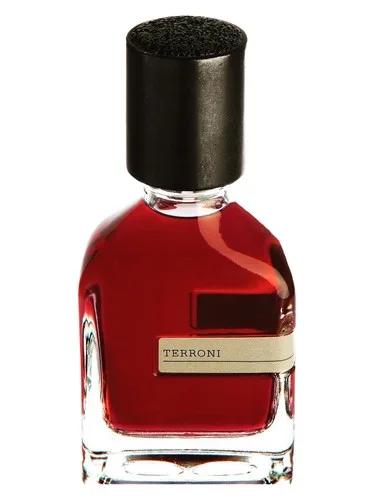
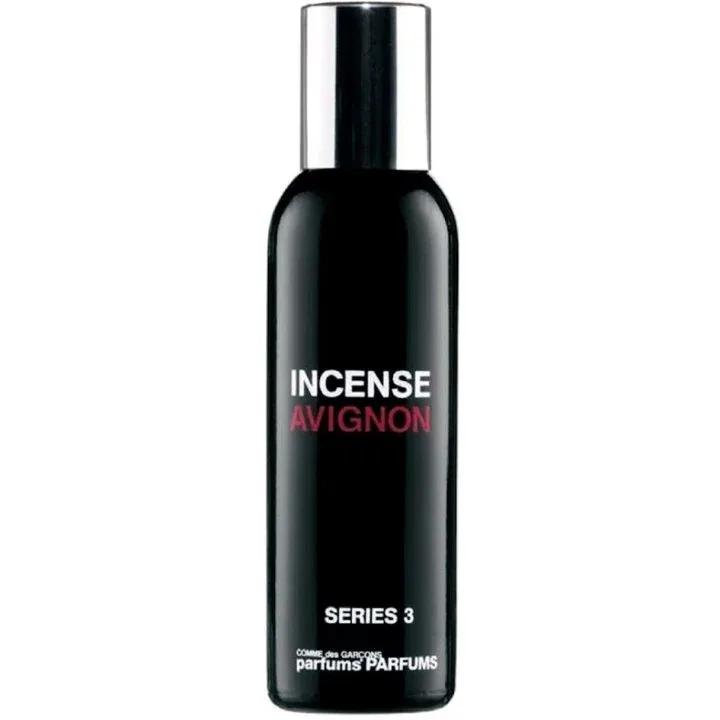
Series 3: Incense - Avignon
Avignon opens with a luminous, almost ecclesiastical haze—roman chamomile and aldehydes suggest parchment and cool stone, while elemi adds a faintly citrus-resinous brightness.

The scent fingerprint
Weighted by intensity across 10 accords.
Every perfume in Sillage is represented as a distribution across canonical accord slugs — a lingua franca for scent. Two fragrances with overlapping fingerprints are scent-twins, even if they share no literal note.
- Smoky90
- Soft Spicy50
- Balsamic50
- Patchouli
The note pyramid
- Aldehydes
- Elemi
- Roman Chamomile
- Ambrette Seeds
- Cistus
By the editors · 2 min readAvignon opens with a luminous, almost ecclesiastical haze—roman chamomile and aldehydes suggest parchment and cool stone, while elemi adds a faintly citrus-resinous brightness. The opening is spare and unhurried, like a church before the service begins.
Cistus and ambrette seeds form the heart, merging wildflower resin with a slightly musky grain quality. The base is the composition's reason for existing: frankincense arrives deep and penetrating, alongside myrrh and patchouli. Together they reproduce the specific quality of Catholic liturgical smoke—the Papal Palace's particular character, according to perfumer Bertrand Duchaufour.
The dry-down is long and rounded: vanilla smooths the darker resins; cedar and oakmoss provide dry structure. One of five fragrances in the Incense Series 3, each mapped to a sacred city.
Scent twins


Factual metadata (name, house, year, notes) is seeded from public datasets. The editorial reading and scent fingerprint are written by Claude against our house style — none of it is scraped prose. Read our methodology.