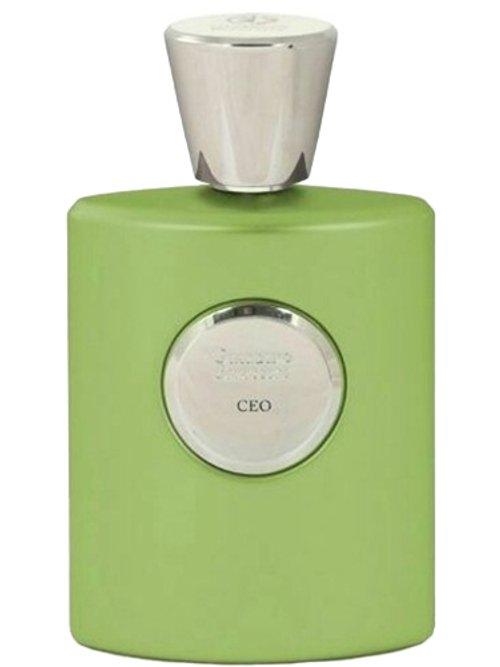
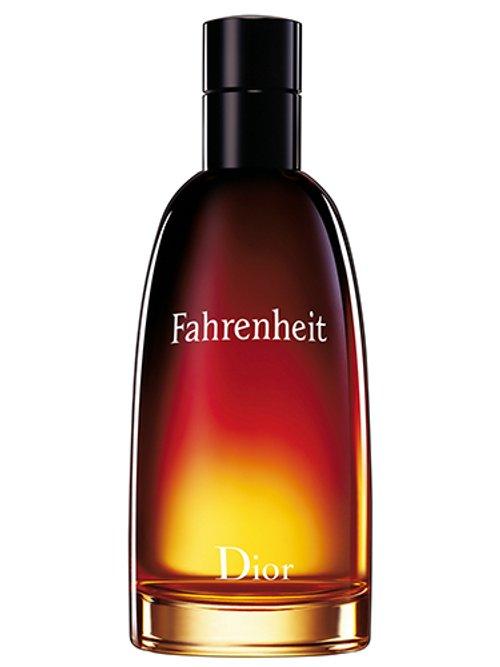
Fahrenheit
A blast of gasoline-tinged violet opens like the hood of a vintage sports car, strangely beautiful and almost industrial.
The scent fingerprint
Weighted by intensity across 17 accords.
Every perfume in Sillage is represented as a distribution across canonical accord slugs — a lingua franca for scent. Two fragrances with overlapping fingerprints are scent-twins, even if they share no literal note.
- Leather80
- Sweet70
- Lavender70
- Woody
The note pyramid
- Lavender
- Lavender
- Cedar
- Cedar
- Lemon
- Lemon
- Bergamot
- Bergamot
By the editors · 2 min readA blast of gasoline-tinged violet opens like the hood of a vintage sports car, strangely beautiful and almost industrial. The lavender feels cold rather than soothing, sharpened by cedar and a synthetic brightness that defined masculine fragrance in the late eighties. This isn't nature—it's an idea of masculinity rendered in petrochemical clarity.
As it settles, unexpected softness emerges. Violet leaf's metallic greenness mingles with sandalwood and a whisper of jasmine, creating an oddly tender heart beneath the assertive exterior. The leather note feels more like worn suede than biker jacket, warmed by tonka's vanilla-almond sweetness.
The drydown becomes surprisingly cozy, almost nostalgic—woody, musky, faintly powdered. Fahrenheit reads as both aggressive and vulnerable, a fragrance that smells like nothing else from its era or since. It suits those comfortable with contradiction, who appreciate perfume that challenges before it comforts.
Scent twins
Factual metadata (name, house, year, notes) is seeded from public datasets. The editorial reading and scent fingerprint are written by Claude against our house style — none of it is scraped prose. Read our methodology.