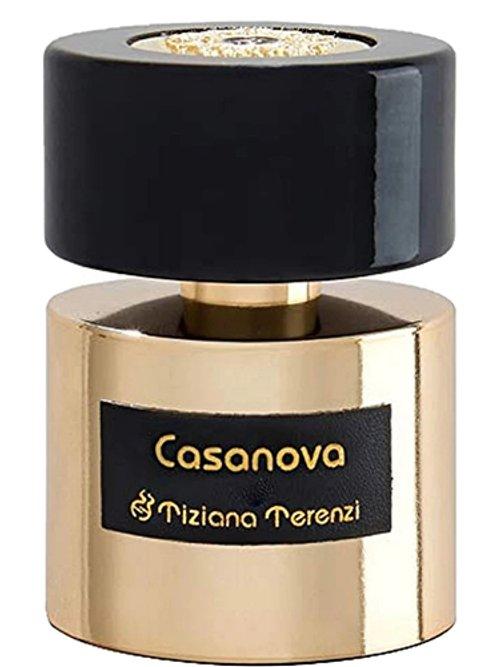
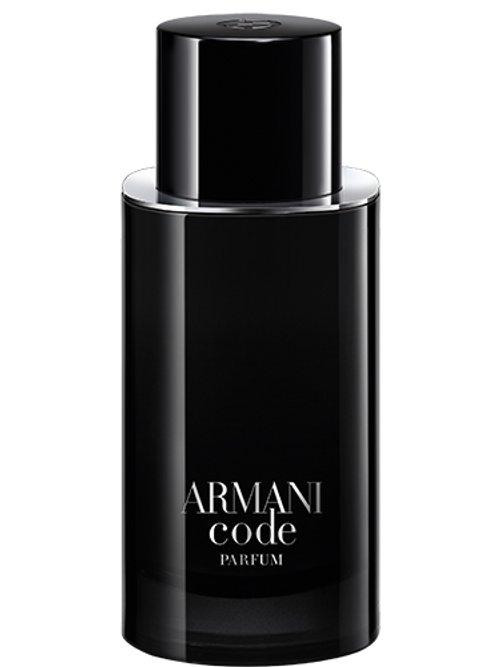
Armani Code
Armani Code opens with a brief citrus clarity—lemon and bergamot that dissolve almost immediately into something warmer and more puzzling.

The scent fingerprint
Weighted by intensity across 10 accords.
Every perfume in Sillage is represented as a distribution across canonical accord slugs — a lingua franca for scent. Two fragrances with overlapping fingerprints are scent-twins, even if they share no literal note.
- Sweet70
- Tobacco60
- Soft Spicy50
- Herbal
The note pyramid
- Lemon
- Bergamot
- Guaiac Wood
- Star Anise
- Tonka Bean
- Leather
By the editors · 2 min readArmani Code opens with a brief citrus clarity—lemon and bergamot that dissolve almost immediately into something warmer and more puzzling. The heart brings guaiac wood and star anise into close contact, creating a dry, subtly spiced smokiness that hovers between sweet and austere. It's quieter than you expect, more about restraint than projection.
As it settles, tonka bean softens the edges while leather and tobacco add weight without turning overtly masculine or heavy. The result feels deliberate, almost architectural—a composition built on contrasts that never quite resolve into obvious seduction or boardroom authority.
This is for someone comfortable with ambiguity, who wants a scent that suggests rather than announces. It works best in dim lighting, close conversations, moments where nuance matters more than first impressions.
Scent twins
In this family
Factual metadata (name, house, year, notes) is seeded from public datasets. The editorial reading and scent fingerprint are written by Claude against our house style — none of it is scraped prose. Read our methodology.