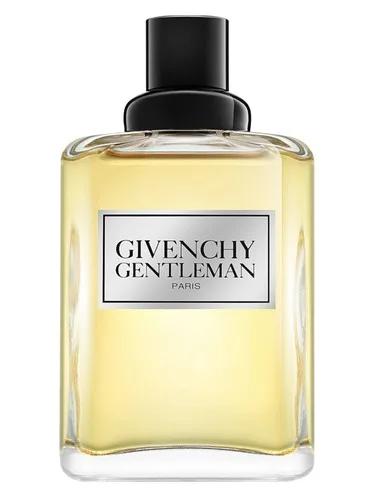
Gentleman (1974)
The original Gentleman opens with an immediate warmth—honeyed spice and citrus collide over a dark aromatic base that never quite lets the brightness breathe on its own.

The scent fingerprint
Weighted by intensity across 16 accords.
Every perfume in Sillage is represented as a distribution across canonical accord slugs — a lingua franca for scent. Two fragrances with overlapping fingerprints are scent-twins, even if they share no literal note.
- Mossy85
- Patchouli75
- Musky70
- Leather
The note pyramid
- Cinnamon
- Tarragon
- Honey
- Lemon
- Bergamot
- Rose
- Jasmine
By the editors · 2 min readThe original Gentleman opens with an immediate warmth—honeyed spice and citrus collide over a dark aromatic base that never quite lets the brightness breathe on its own. Cinnamon and tarragon create an oddly savory sweetness, while the rose and bergamot struggle beautifully against the weight pulling from below.
As it settles, the composition reveals its true architecture: a robust chypre framework built on oakmoss and patchouli, given animal depth by civet and leather. The jasmine and cedar provide just enough refinement to justify the name, but this is far from polite. It's the scent of a man who wears a suit well but keeps his collar loose.
A product of its era, Gentleman embodies seventies masculinity without apology—dense, unapologetically musky, and considerably more complex than the citrus-aquatic freshness that would later dominate men's counters. It demands skin that can handle intensity.
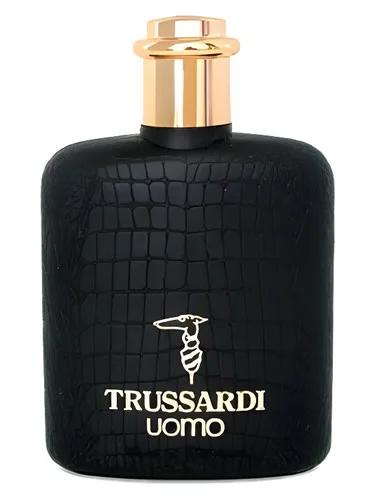
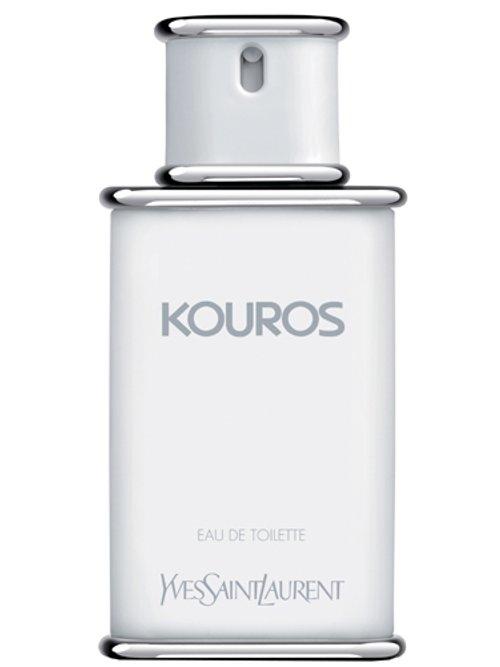
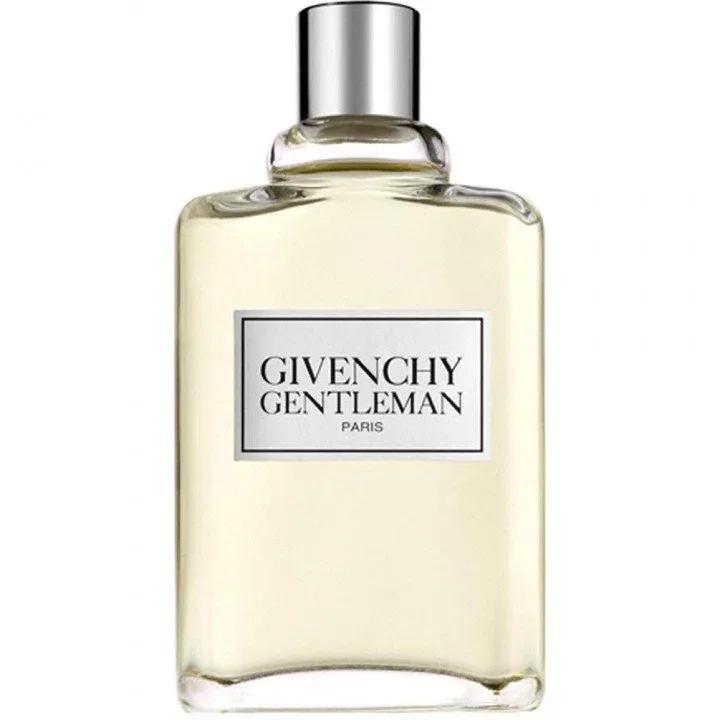
Scent twins
Factual metadata (name, house, year, notes) is seeded from public datasets. The editorial reading and scent fingerprint are written by Claude against our house style — none of it is scraped prose. Read our methodology.