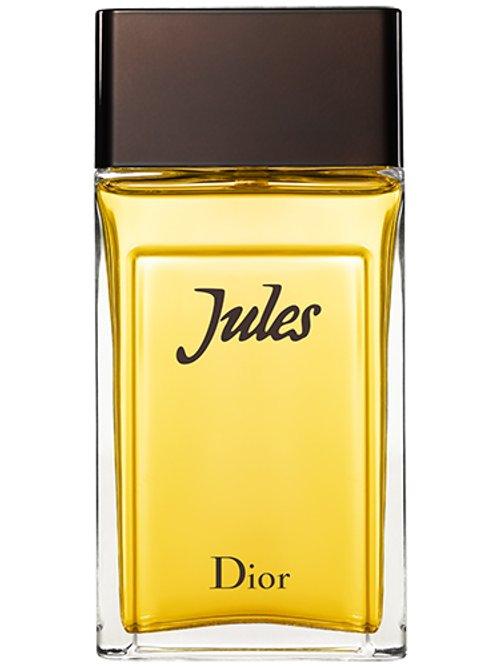
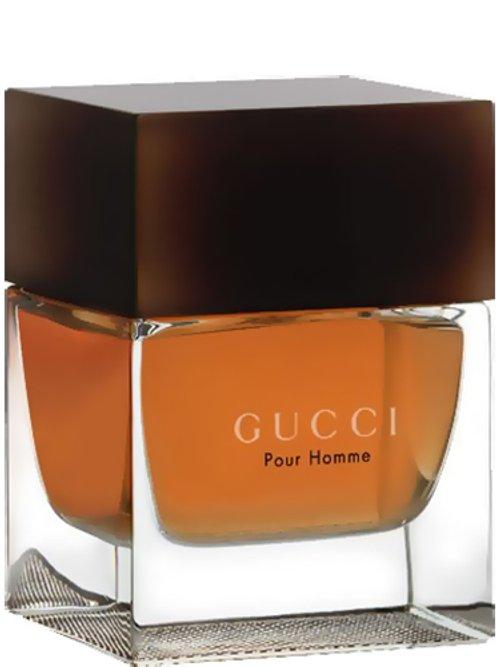
Gucci pour Homme (2003)
The opening rushes in with bergamot and ginger against a dry papyrus haze—aromatic but restrained, more boardroom than bazaar.
The scent fingerprint
Weighted by intensity across 18 accords.
Every perfume in Sillage is represented as a distribution across canonical accord slugs — a lingua franca for scent. Two fragrances with overlapping fingerprints are scent-twins, even if they share no literal note.
- Woody65
- Lavender55
- Soft Spicy50
- Aromatic
The note pyramid
- Ginger
- Petitgrain
- Lavender
- Basil
- Lemon
- Papyrus
- Bergamot
By the editors · 2 min readThe opening rushes in with bergamot and ginger against a dry papyrus haze—aromatic but restrained, more boardroom than bazaar. Lavender and petitgrain keep the citrus from turning bright, anchoring it in a kind of polished calm. There's a herbal coolness here, basil weaving through the sharper notes, that feels deliberate rather than fresh.
As it settles, sandalwood and cedar form a smooth wooden frame while jasmine adds just enough bloom to soften the edges. Pink pepper provides a quiet pulse beneath incense and patchouli, never loud, never sweet. The base reveals oakmoss and leather—both present but muted by amber and tonka—creating a skin-close finish that feels tailored rather than bold.
This is Gucci before the maximalist reinventions: confident, understated, aimed at someone who wants presence without announcement. It wears close, fades gracefully, and belongs to an era when masculine fragrances still valued restraint.
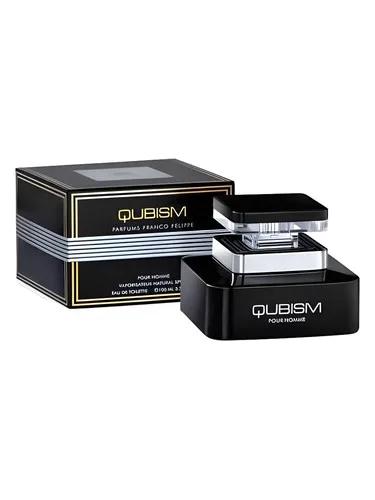
Scent twins
Factual metadata (name, house, year, notes) is seeded from public datasets. The editorial reading and scent fingerprint are written by Claude against our house style — none of it is scraped prose. Read our methodology.