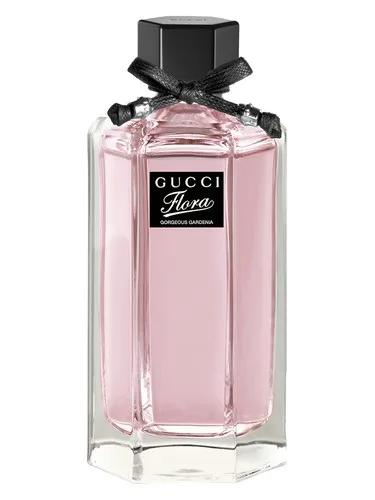
Gucci
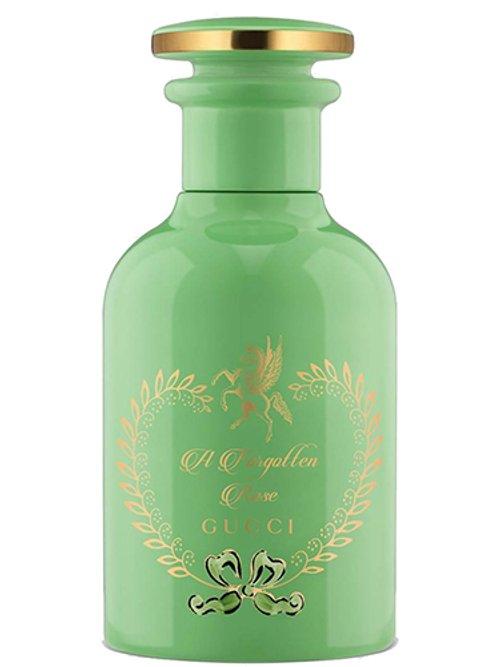
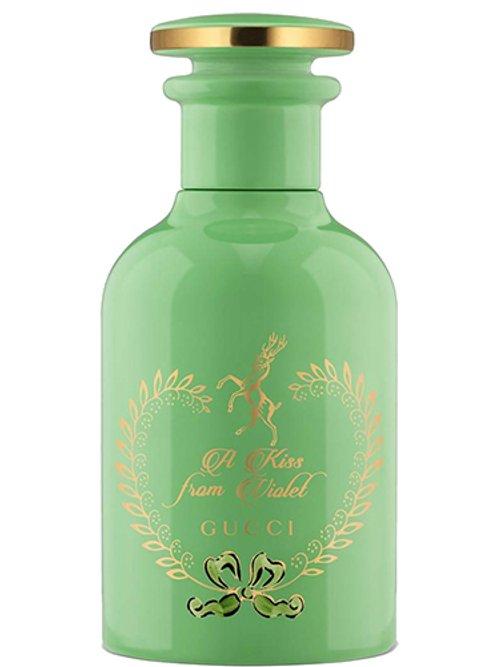
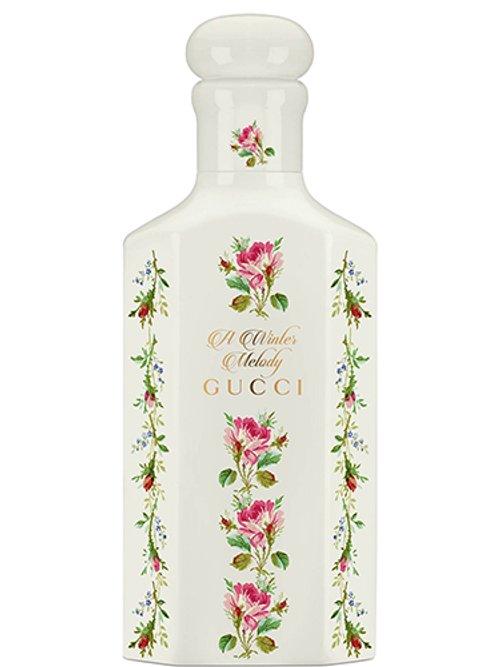
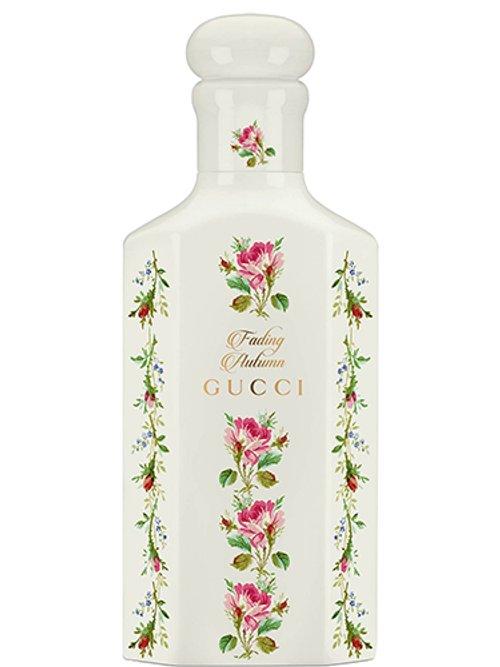
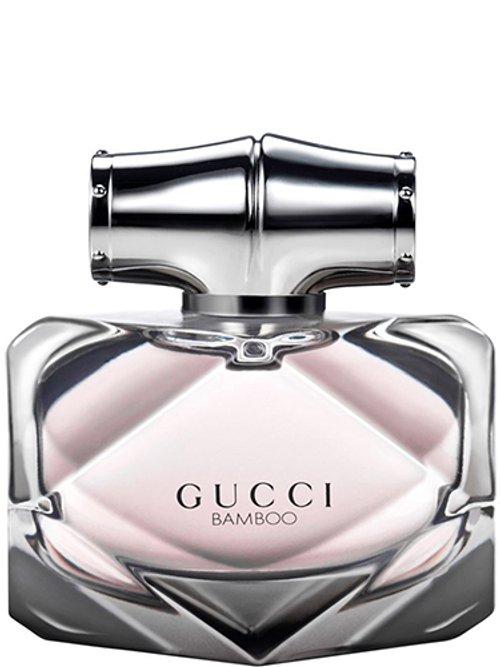
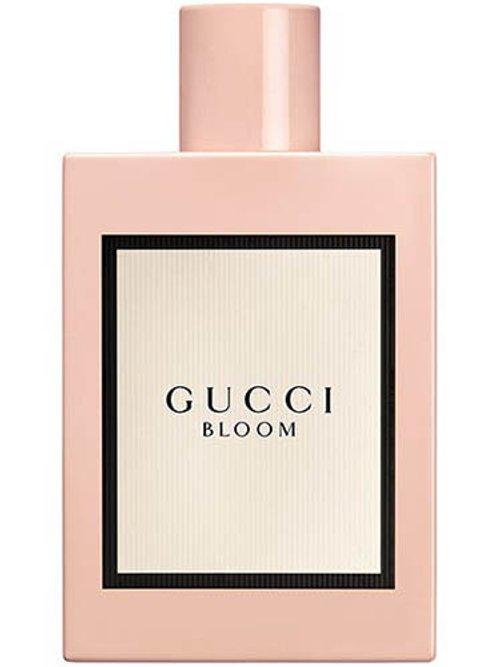
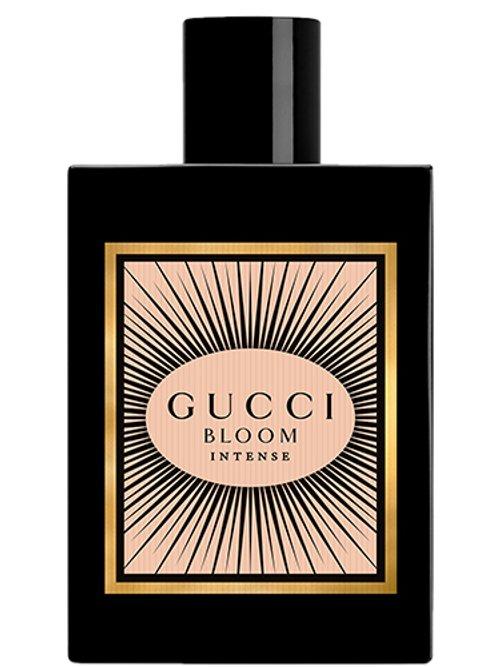
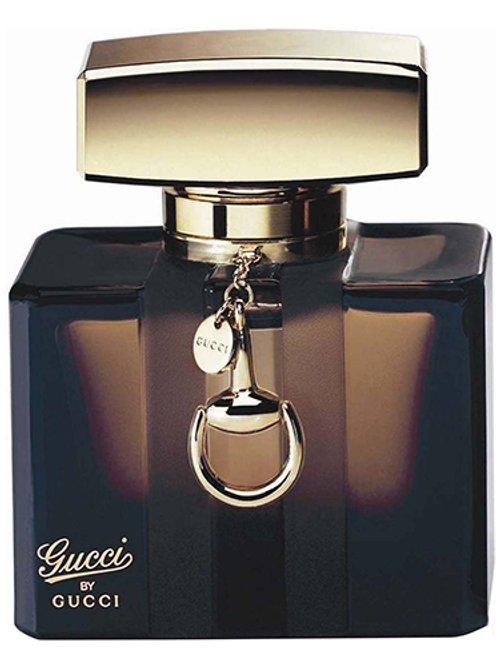
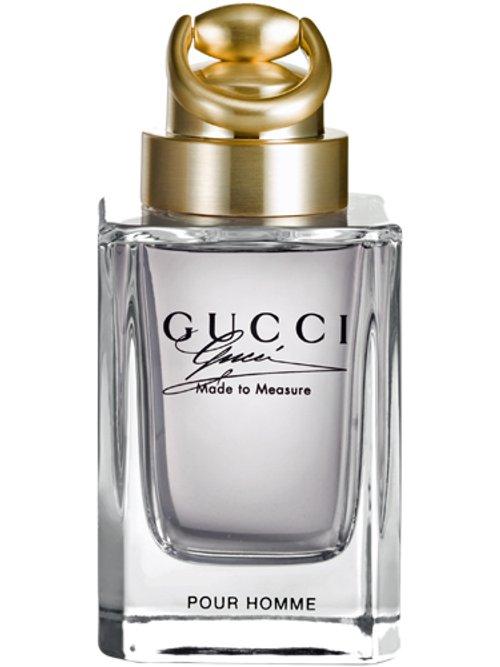
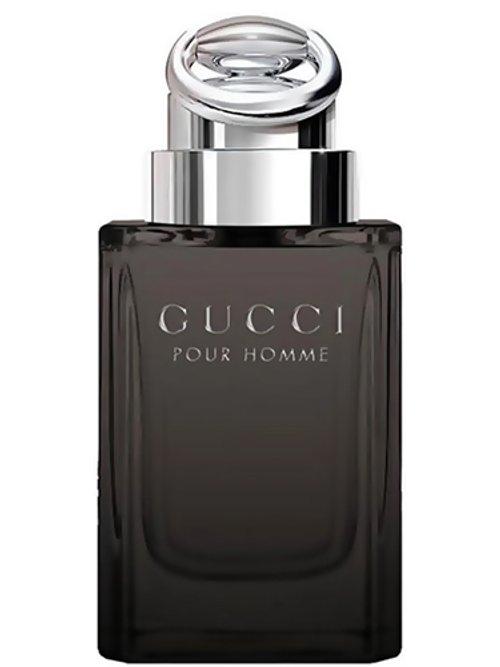
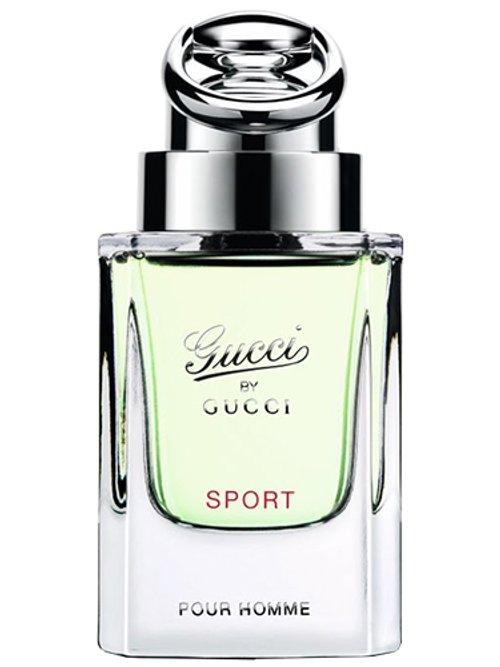
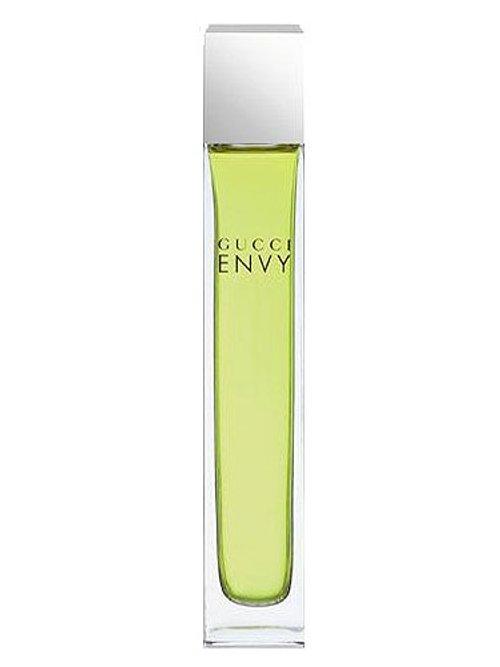
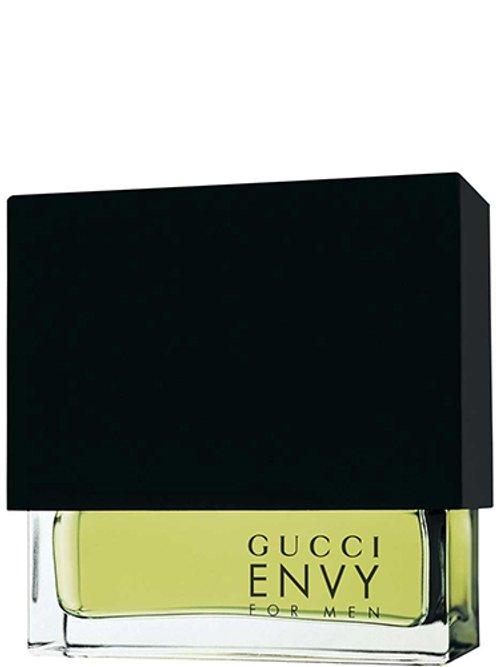
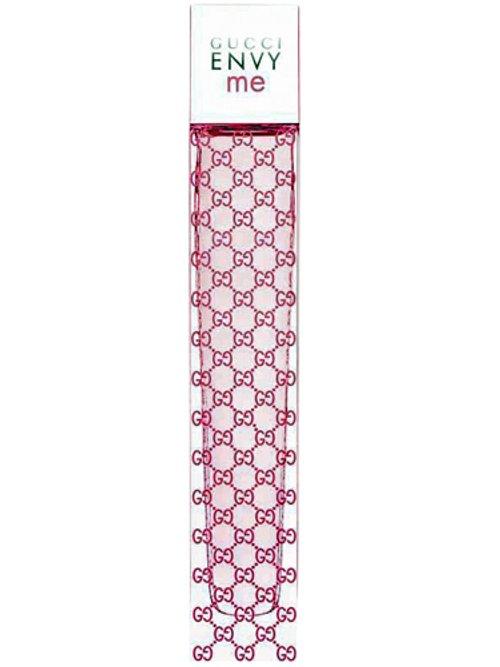
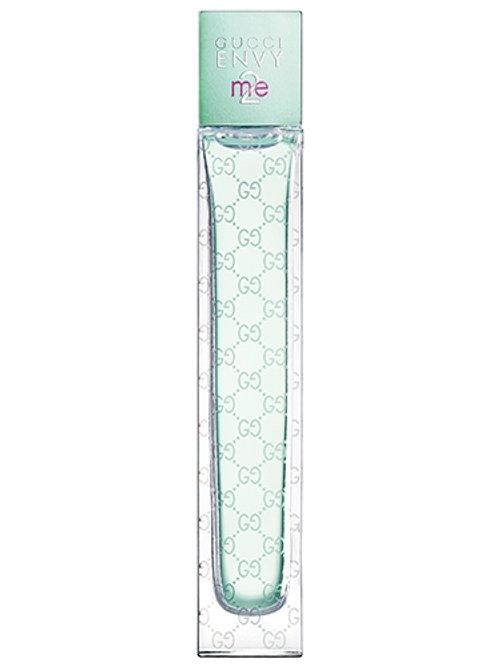
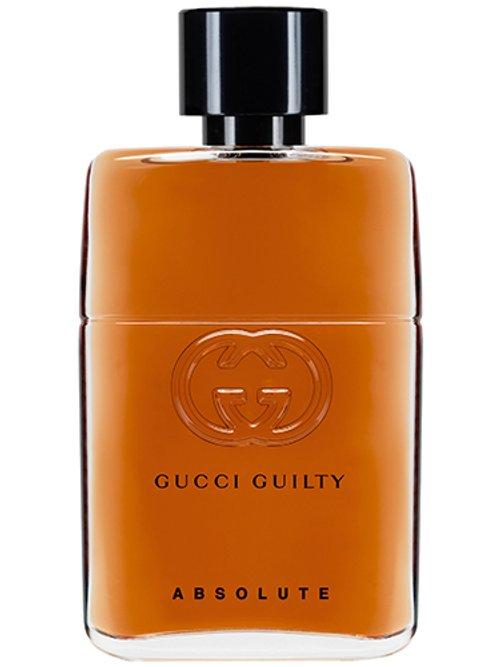
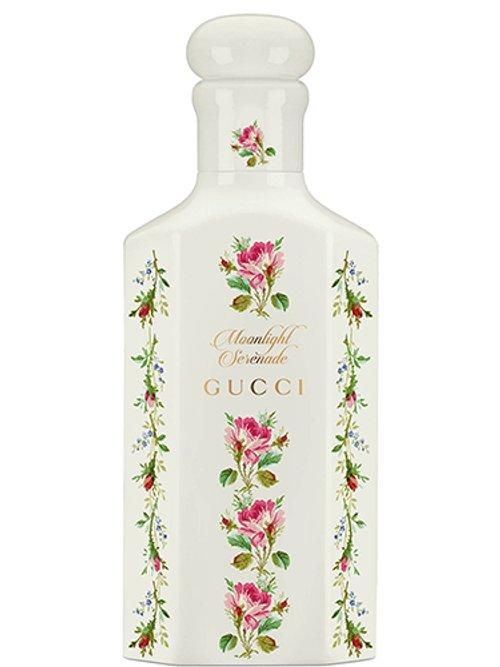
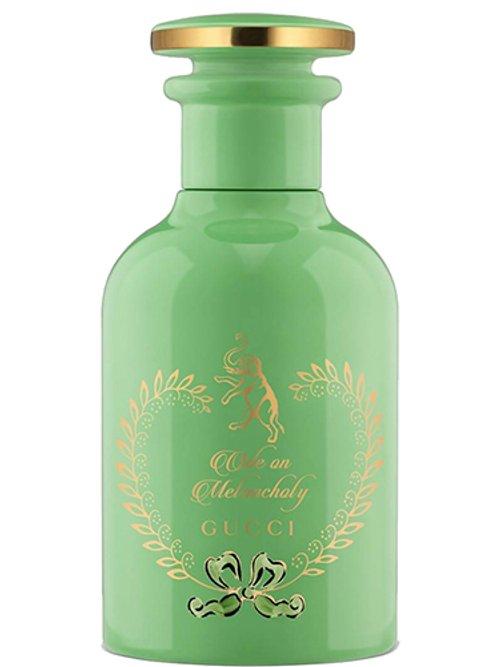
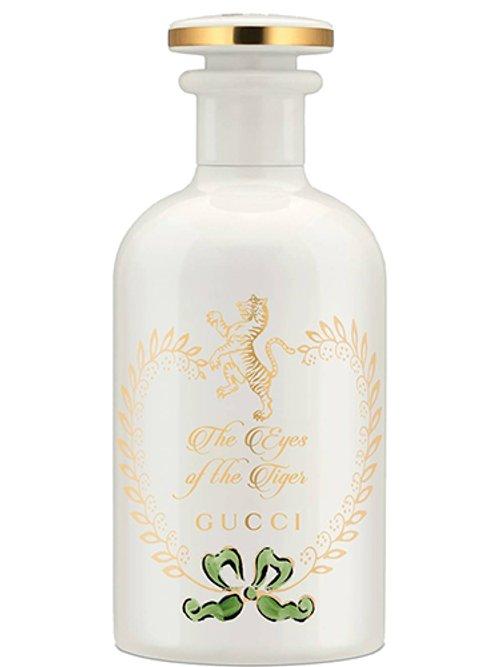
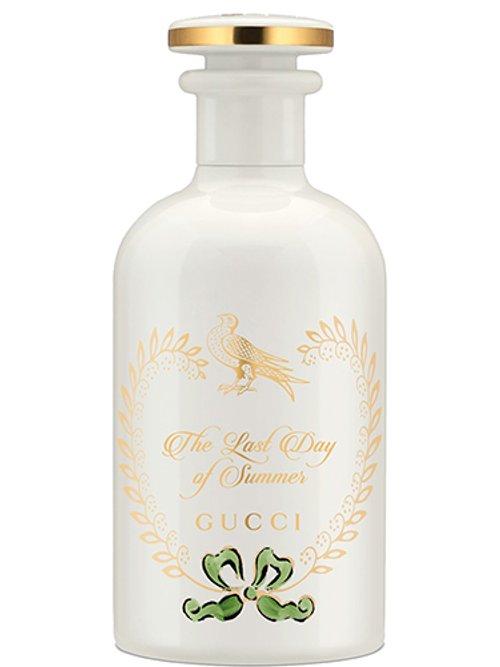
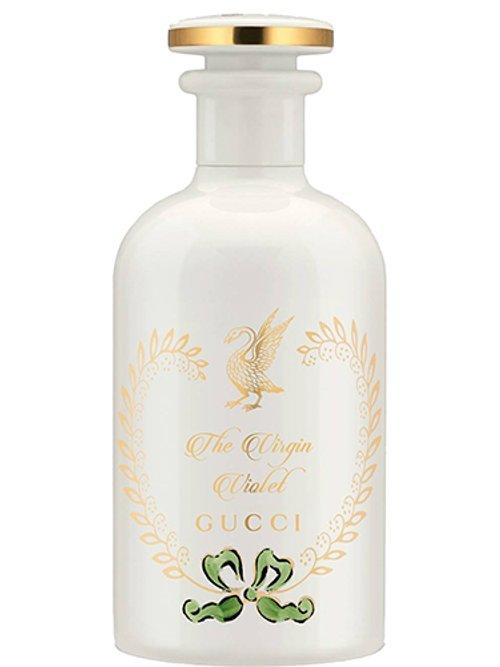
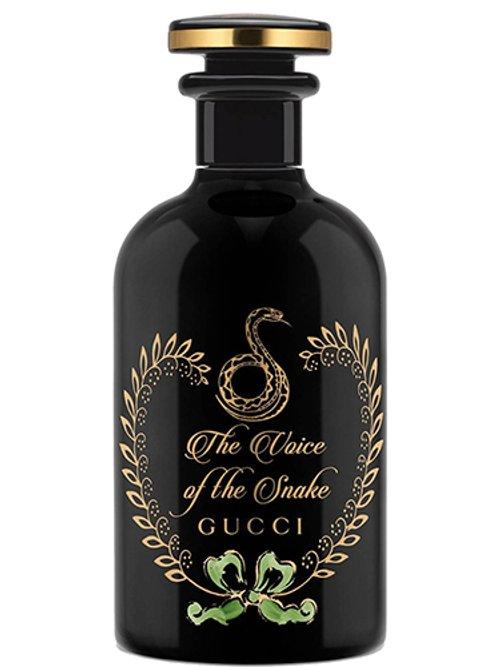
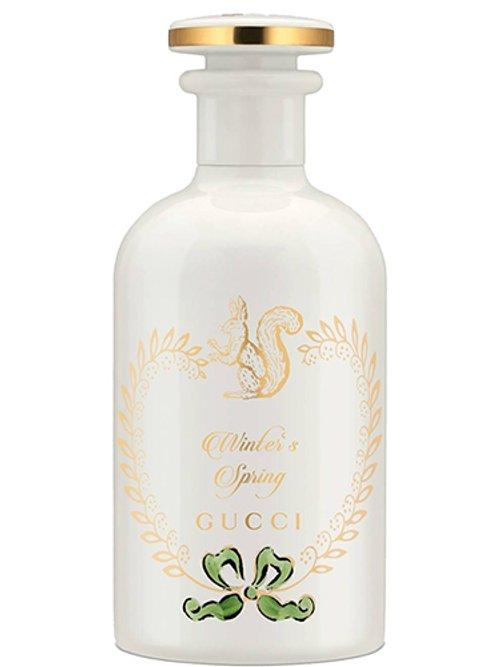
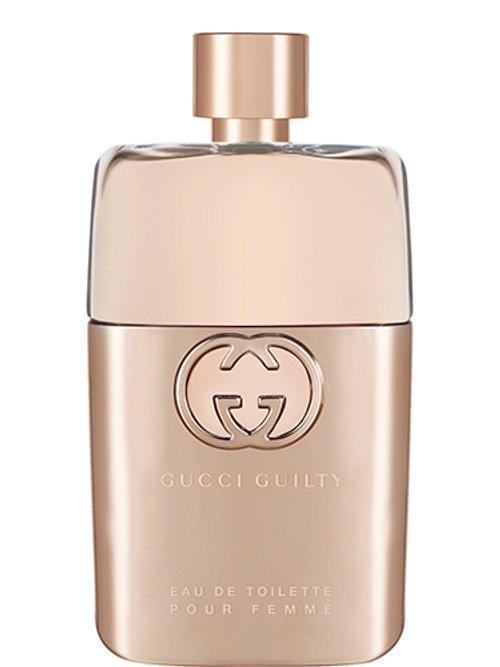
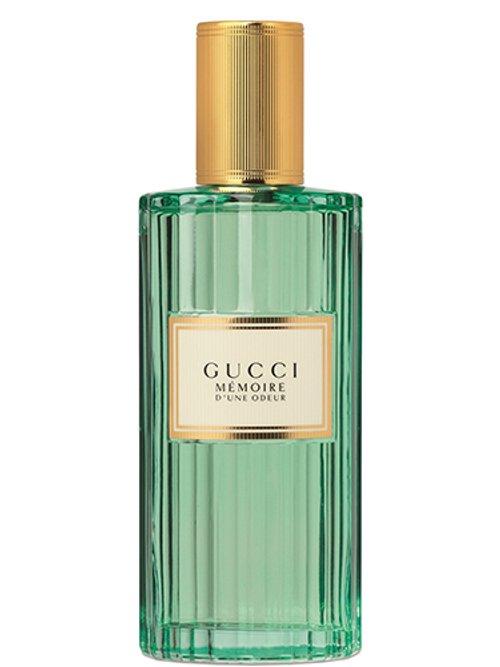
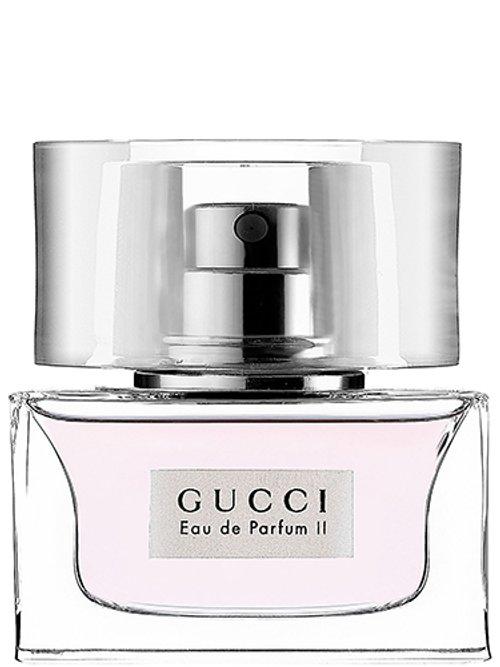
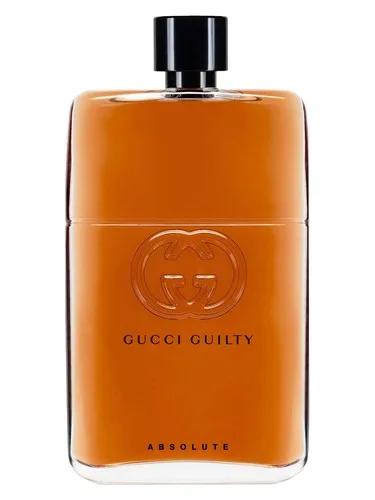
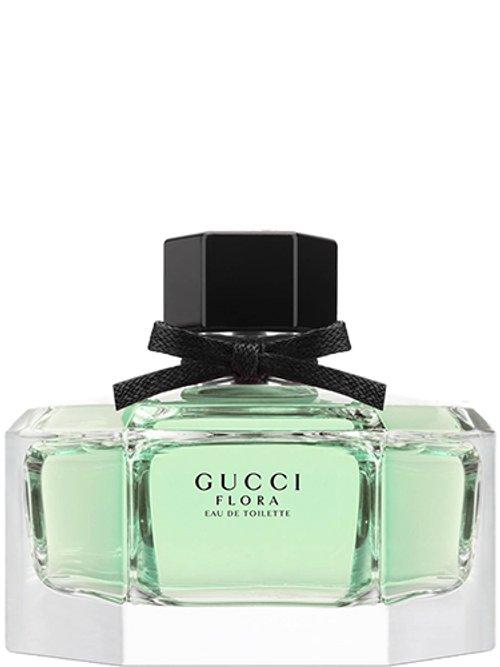
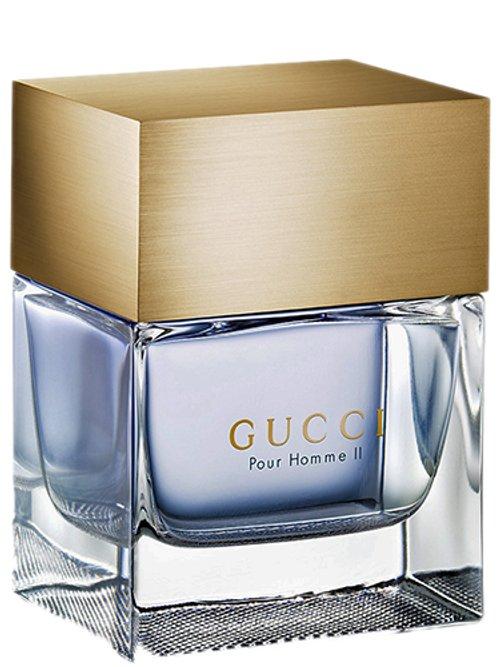
Gucci has produced fragrances under its name since the 1970s, and the catalogue reflects the brand's own restless reinventions. The house cycled through distinct fragrance eras: the leather-and-amber masculines of the 1970s and '80s, the Tom Ford period of intense orientals and raw carnality — Rush, Envy, Gucci by Gucci — and the post-2015 pivot toward accessible florals anchored by the Bloom line. No single house perfumer defines the output; Gucci works with contracted noses from the major ingredient suppliers. Alberto Morillas, Michel Almairac, and Jacques Cavallier Lebretton are among the prominent names associated with the catalogue. The Alchemist's Garden collection, launched in 2020, represents an artisanal detour: small-batch, botanical, skin-close compositions sold at niche pricing. Beyond that line, Gucci fragrance reads as prestige mainstream — widely available, heavily marketed, driven by fashion-cycle timing. Legacy bottles from discontinued lines sustain active secondary markets among collectors.
Releases
DNA over time
Each column is an era. Each colored band shows that family’s share of accord weight across every perfume the house released in that window. Bigger band = the house leaned harder on that family.