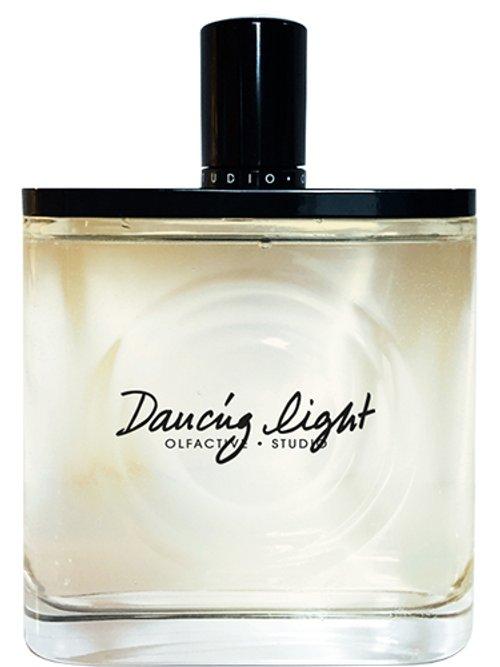
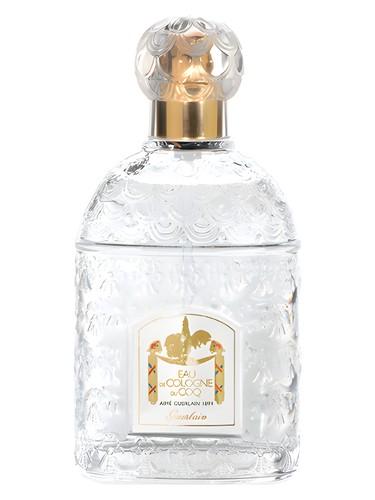
Eau de Cologne du Coq
Eau de Cologne du Coq, formulated in 1894, follows the classic fougère-adjacent cologne blueprint: a citrus opening of neroli, bergamot, and lemon gives way to a lavender and jasmine heart before settling on an oakmoss and sandalwood base.

The scent fingerprint
Weighted by intensity across 12 accords.
Every perfume in Sillage is represented as a distribution across canonical accord slugs — a lingua franca for scent. Two fragrances with overlapping fingerprints are scent-twins, even if they share no literal note.
- Mossy70
- Citrus70
- Lavender65
- Fresh
The note pyramid
- Neroli
- Orange
- Lemon
- Bergamot
- Lavender
- Jasmine
- Patchouli
By the editors · 2 min readEau de Cologne du Coq, formulated in 1894, follows the classic fougère-adjacent cologne blueprint: a citrus opening of neroli, bergamot, and lemon gives way to a lavender and jasmine heart before settling on an oakmoss and sandalwood base. The structure is unambiguous and predates modern perfumery conventions by decades.
For contemporary wear, it reads as a museum piece made functional — the oakmoss base, unrestricted by current IFRA limits in reformulated versions, gives a depth that modern mossy constructions rarely achieve. Patchouli adds earthiness without heaviness. This is a barbershop classic in the literal sense: a Parisian barbershop at the turn of the century. Wears cleanly throughout, with good longevity for a cologne concentration.
Scent twins
Factual metadata (name, house, year, notes) is seeded from public datasets. The editorial reading and scent fingerprint are written by Claude against our house style — none of it is scraped prose. Read our methodology.