Eau d'Hermès
A crisp aromatic from the early postwar years, Eau d'Hermès opens with the bright snap of citrus and lavender, grounded immediately by sage's powdery earthiness.


The scent fingerprint
Weighted by intensity across 6 accords.
Every perfume in Sillage is represented as a distribution across canonical accord slugs — a lingua franca for scent. Two fragrances with overlapping fingerprints are scent-twins, even if they share no literal note.
- Lavender65
- Leather60
- Cinnamon55
- Vanilla
The note pyramid
- Petitgrain
- Cinnamon
- Sage
- Lavender
- Lemon
- Cardamom
- Bergamot
By the editors · 2 min readA crisp aromatic from the early postwar years, Eau d'Hermès opens with the bright snap of citrus and lavender, grounded immediately by sage's powdery earthiness. The petitgrain gives it a slight green bitterness that keeps the cologne freshness from feeling thin or merely cheerful.
As it settles, cumin and cardamom emerge with an unexpectedly warm, almost savory quality—not sweet spice but something closer to dried herbs in an old leather satchel. The jasmine stays subtle, folding into the mossy, vanillic base rather than blooming outward. Sandalwood and tonka provide a gentle roundness, while traces of birch and labdanum add a faintly animalic depth.
The result feels less like a conventional cologne and more like a gentleman's study: worn leather armchairs, wooden shelves, a hint of pipe tobacco. Understated, mature, oddly comforting. It belongs to an era when elegance meant restraint.
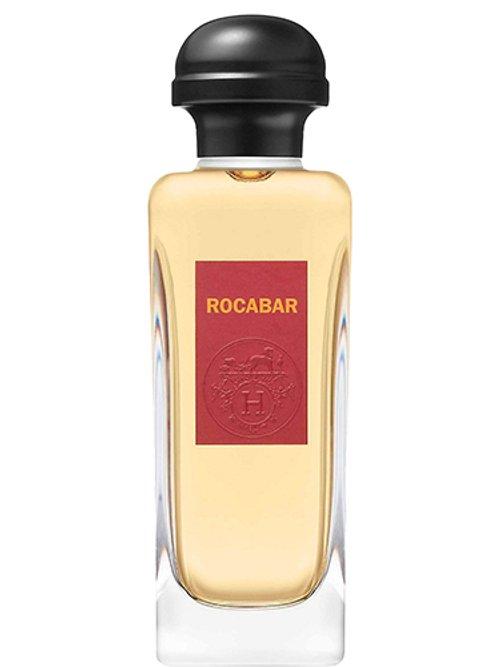
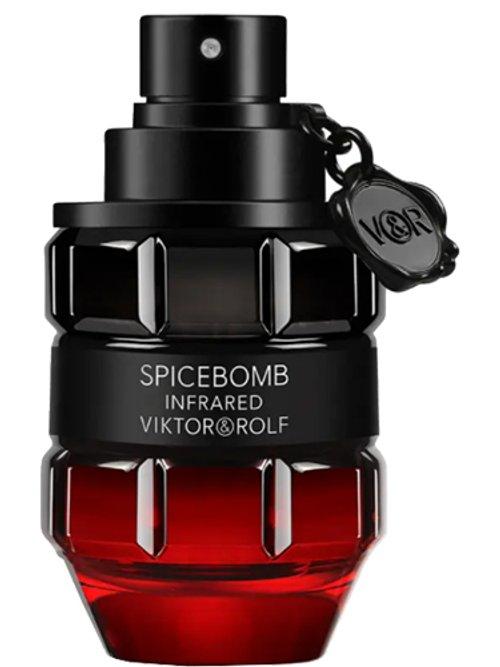
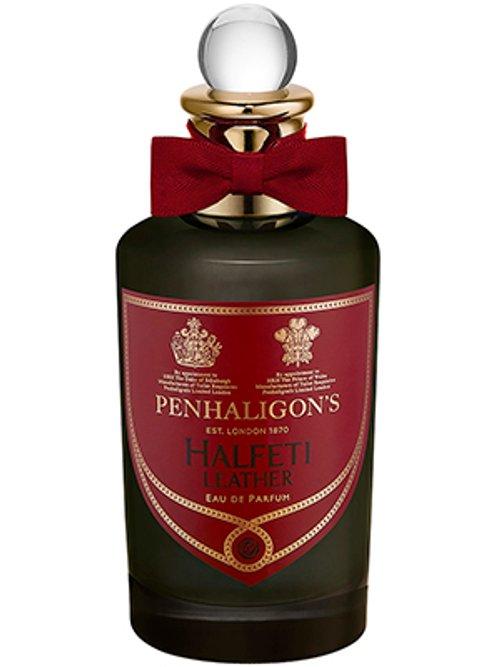
Scent twins
In this family
Factual metadata (name, house, year, notes) is seeded from public datasets. The editorial reading and scent fingerprint are written by Claude against our house style — none of it is scraped prose. Read our methodology.