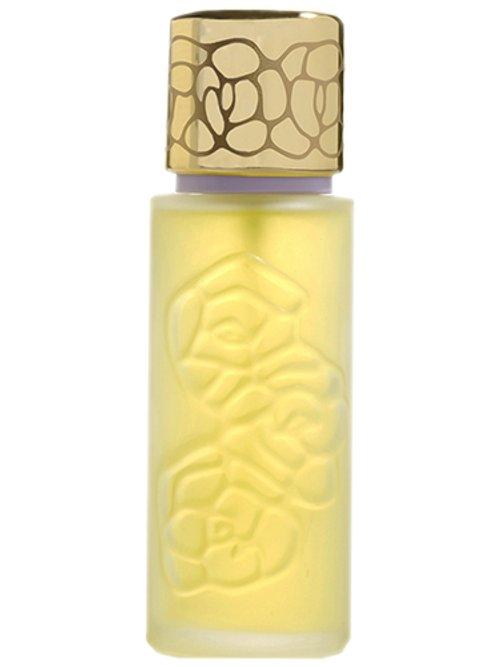
Quelques Fleurs l'Original
Quelques Fleurs arrived in 1912, before Chanel N°5, and introduced the idea that a perfume could be a fantasy floral rather than a single ingredient.

The scent fingerprint
Weighted by intensity across 7 accords.
Every perfume in Sillage is represented as a distribution across canonical accord slugs — a lingua franca for scent. Two fragrances with overlapping fingerprints are scent-twins, even if they share no literal note.
- Tuberose70
- Honey50
- Rose50
- Iris
The note pyramid
- Tarragon
- Orange Blossom
- Lemon
- Bergamot
- Tuberose
- Jasmine
- Ylang-Ylang
By the editors · 2 min readQuelques Fleurs arrived in 1912, before Chanel N°5, and introduced the idea that a perfume could be a fantasy floral rather than a single ingredient. The opening citrus-tarragon accord is peculiar by modern standards — an herbal freshness that smells specifically early-twentieth-century. Then the heart unfolds: eight florals, none dominant, creating a blurred impression of a flower market at the end of the day rather than a single bloom held under a lamp.
The base is deeply animalic by contemporary standards — oakmoss, honey, and musk warming the florals into something rich and slightly unwashed in the way perfumery abandoned after synthetic musks took over in the 1980s.
Worn now, it reads simultaneously archaic and strangely alive — a reminder that the vocabulary of modern perfumery was invented here.
Scent twins
Factual metadata (name, house, year, notes) is seeded from public datasets. The editorial reading and scent fingerprint are written by Claude against our house style — none of it is scraped prose. Read our methodology.