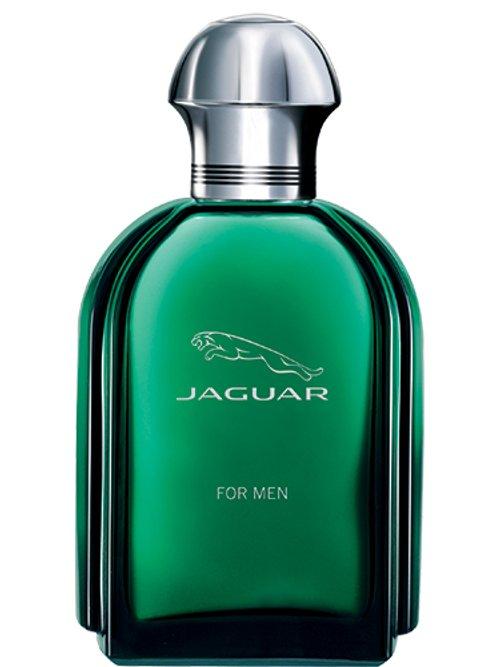
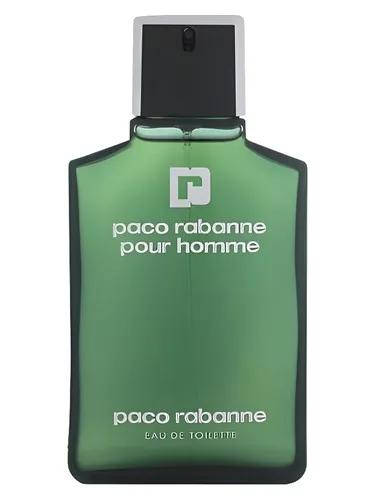
Paco Rabanne Pour Homme
The opening speaks in crisp herbals—rosemary and clary sage—Mediterranean and sharp, like stepping into a sunlit garden where the soil is still cool.
The scent fingerprint
Weighted by intensity across 12 accords.
Every perfume in Sillage is represented as a distribution across canonical accord slugs — a lingua franca for scent. Two fragrances with overlapping fingerprints are scent-twins, even if they share no literal note.
- Mossy80
- Lavender75
- Herbal70
- Amber
The note pyramid
- Rosemary
- Clary Sage
- Tonka Bean
- Lavender
- Oakmoss
- Amber
By the editors · 2 min readThe opening speaks in crisp herbals—rosemary and clary sage—Mediterranean and sharp, like stepping into a sunlit garden where the soil is still cool. This clarity doesn't last long. Within minutes, the composition shifts toward something warmer and more resinous, as lavender mingles with tonka bean in a way that feels both barbershop-familiar and oddly honeyed.
What emerges is a classic fougère structure given unusual depth through amber and tobacco in the base. The oakmoss provides that mossy, slightly bitter backbone expected from the era, while honey adds a viscous sweetness that keeps the scent from turning too austere. There's a mustiness here that some will find dated, others comforting.
This is a fragrance that wears close and evolves slowly, built for a time when men's scents were allowed to be both green and sweet without apology. It suits cooler weather and anyone drawn to aromatic fragrances with genuine oakmoss presence before reformulations softened the genre.
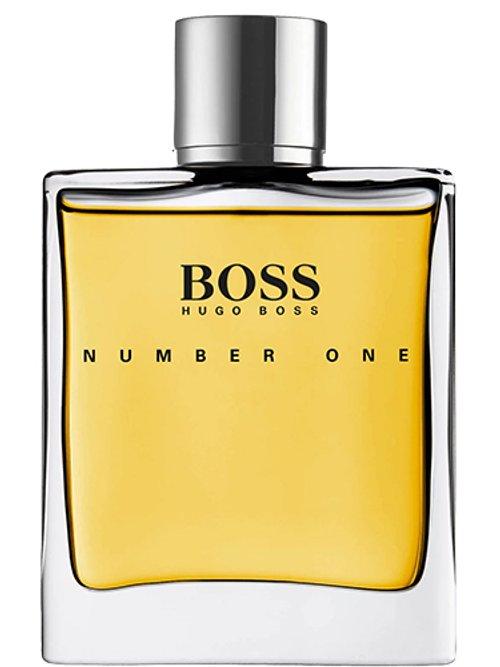
Scent twins
Factual metadata (name, house, year, notes) is seeded from public datasets. The editorial reading and scent fingerprint are written by Claude against our house style — none of it is scraped prose. Read our methodology.