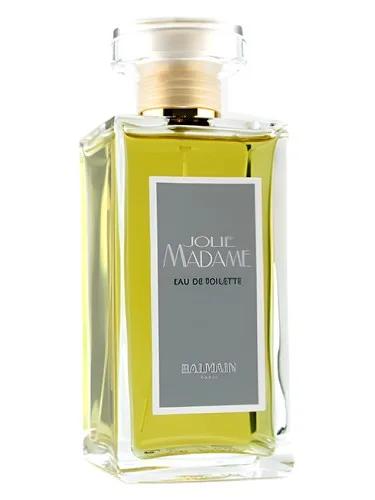
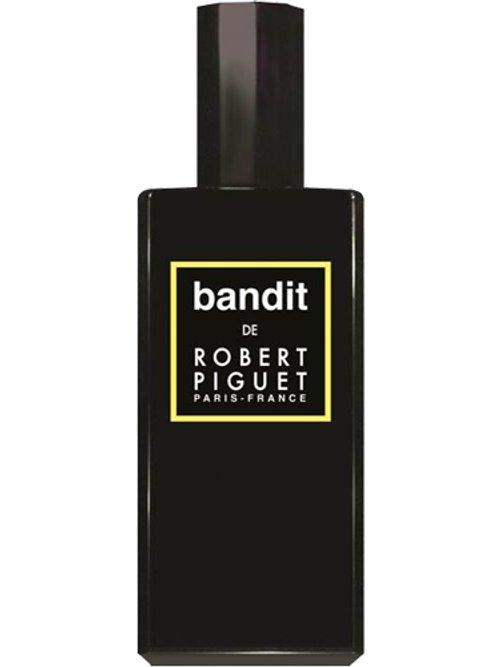
Bandit
Bandit opens with a blast of bitter galbanum that cuts through the white flowers like a knife through silk.

The scent fingerprint
Weighted by intensity across 16 accords.
Every perfume in Sillage is represented as a distribution across canonical accord slugs — a lingua franca for scent. Two fragrances with overlapping fingerprints are scent-twins, even if they share no literal note.
- Aromatic50
- White Floral50
- Woody50
- Green
The note pyramid
- Gardenia
- Gardenia
- Tarragon
- Neroli
- Neroli
- Ylang-Ylang
- Ylang-Ylang
- Orange
By the editors · 2 min readBandit opens with a blast of bitter galbanum that cuts through the white flowers like a knife through silk. The gardenia and neroli that should soften the entrance barely have time to settle before leather and oakmoss muscle their way forward. This is tuberose stripped of sweetness, jasmine in jodhpurs—florals rendered angular and uncompromising by their earthy, mossy frame.
As it develops, the leather deepens into something almost animalic, with civet lending a warm, human skin quality beneath the greenness. The vetiver and patchouli anchor everything in shadow. What emerges isn't the perfume of polite femininity, but something more complex: the scent of someone who refuses to choose between beauty and severity.
Created in 1944 by Germaine Cellier, Bandit belongs to an era when perfume could be confrontational. It suits those who find conventional florals too tame, who want their flowers thorned and their elegance earned.
Scent twins
Factual metadata (name, house, year, notes) is seeded from public datasets. The editorial reading and scent fingerprint are written by Claude against our house style — none of it is scraped prose. Read our methodology.