Bic
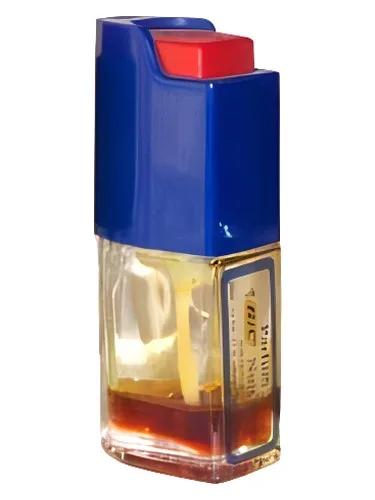
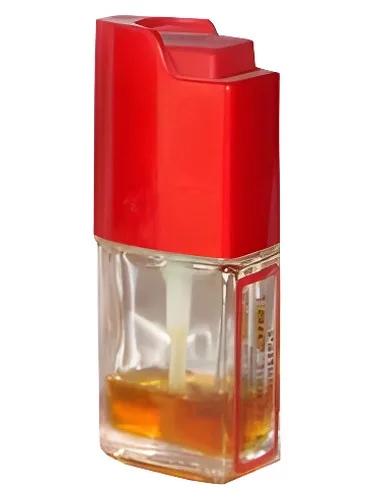
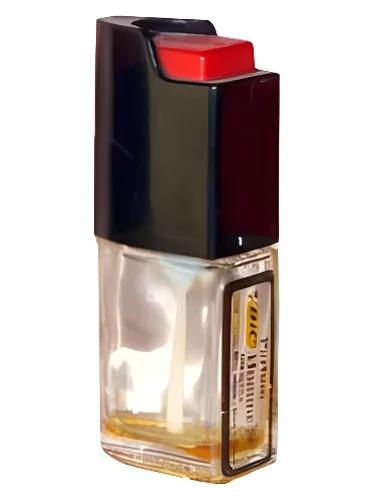
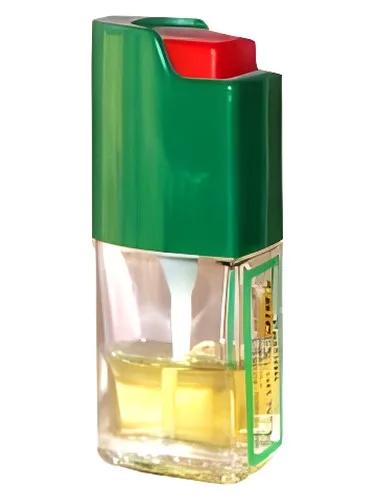
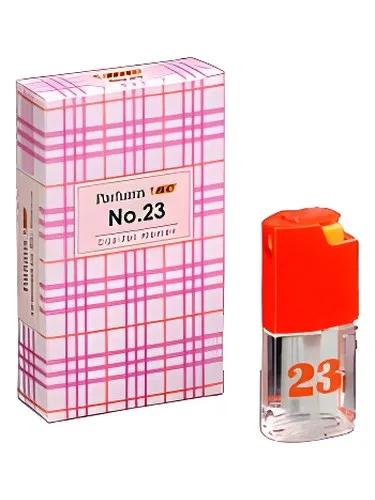
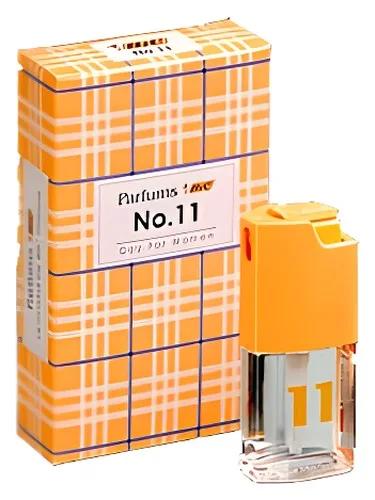
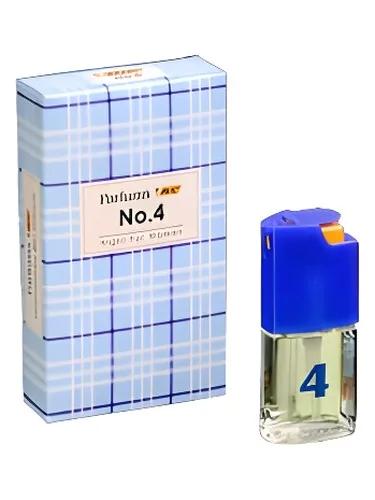
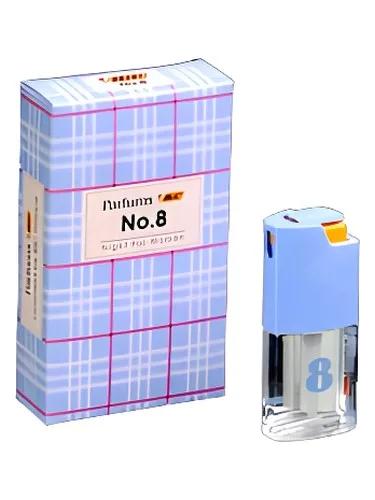
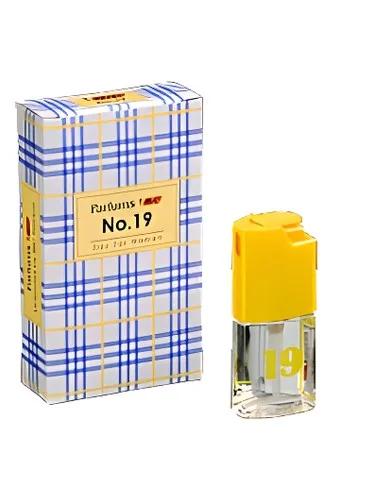
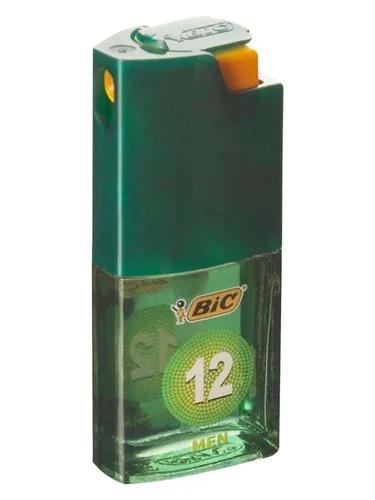
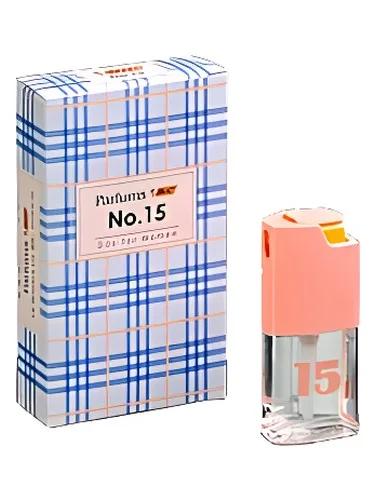
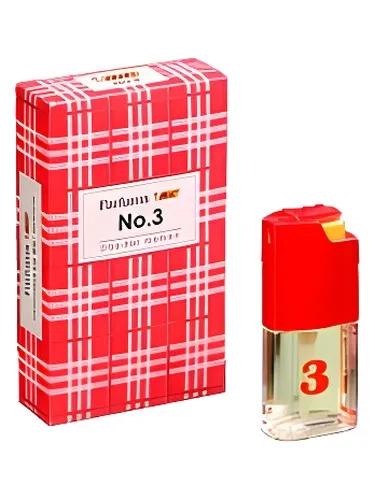
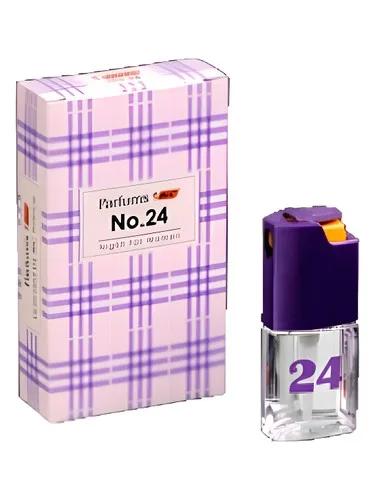
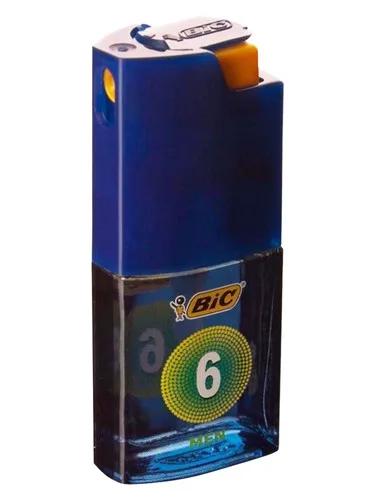
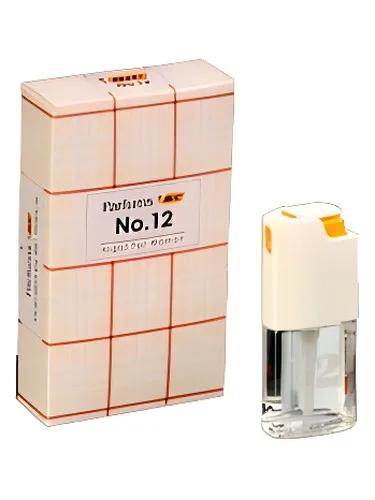
Drugstore perfume in a lighter-shaped flacon.
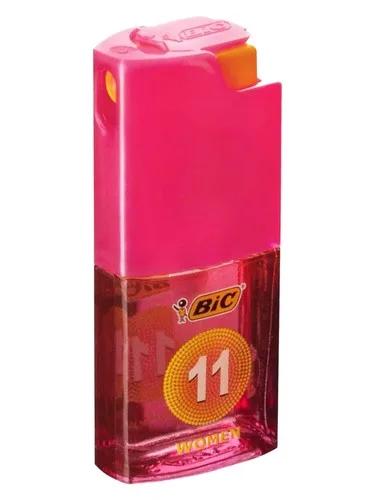
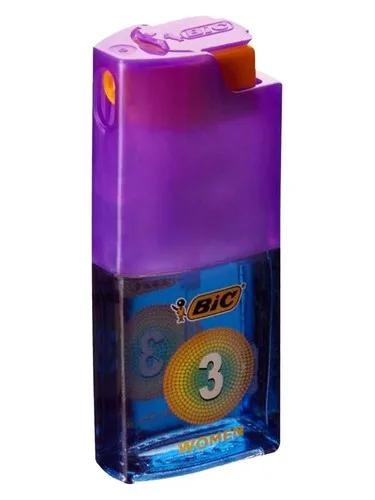
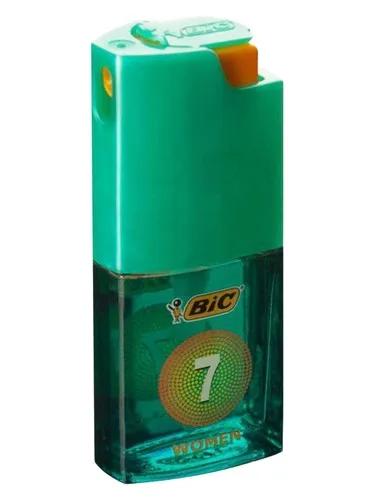
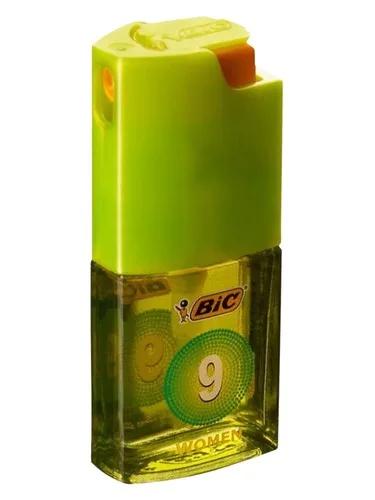
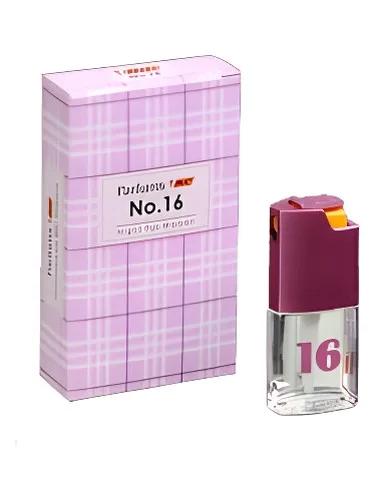
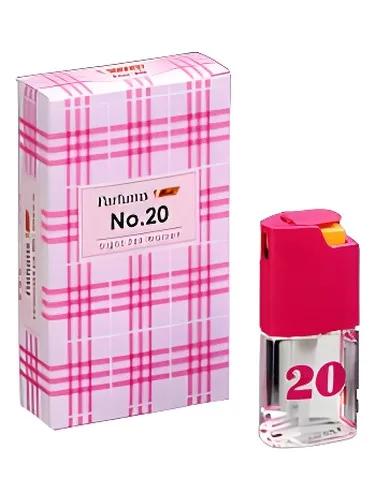
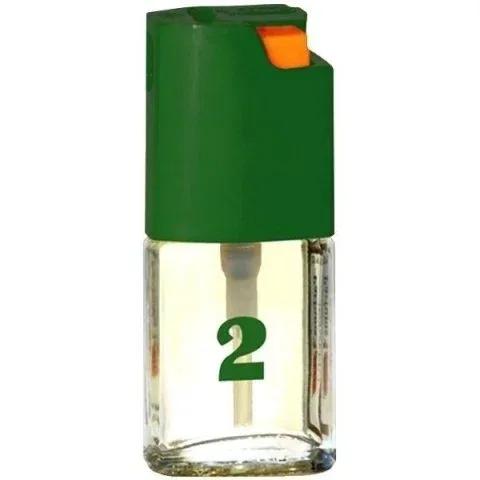
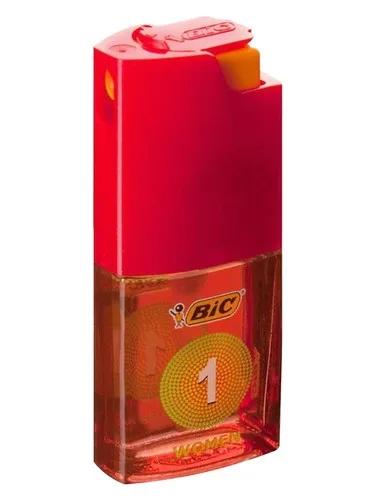
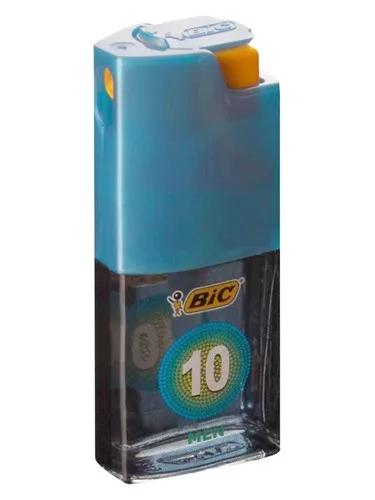
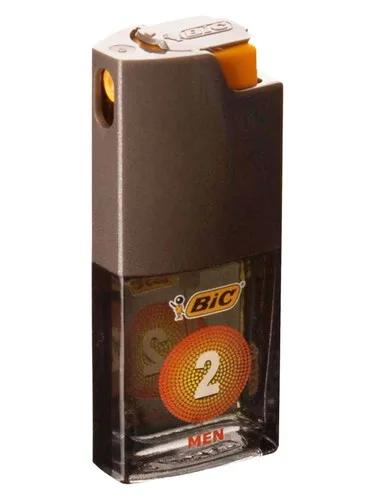
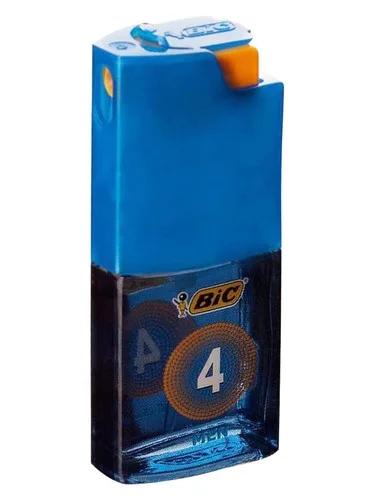
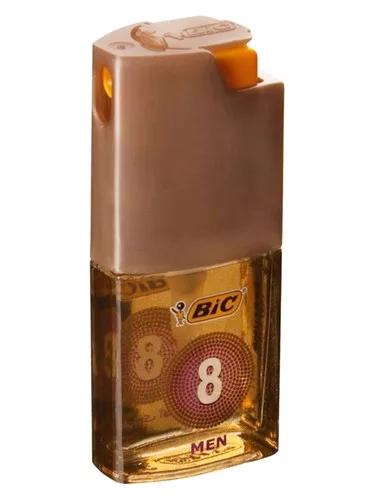
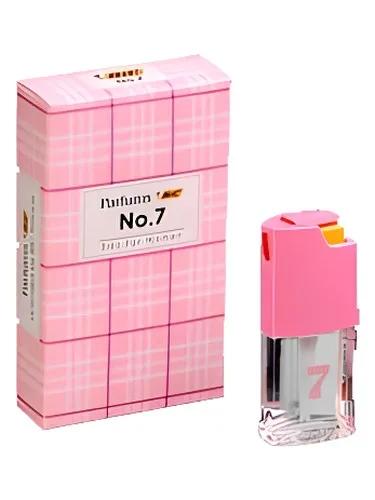
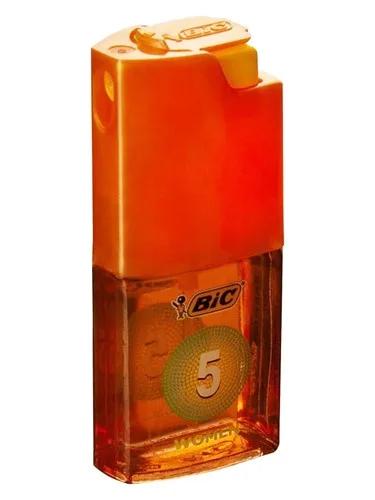
Société Bic, already the dominant manufacturer of disposable ballpoints and lighters, entered the fragrance market in 1988 with a characteristically utilitarian logic: fine French perfume could be sold at drugstore prices if the bottle were the same injection-moulded plastic as a lighter. The resulting flacons were shaped like Bic's ubiquitous disposable lighters, colour-coded by purpose — Jour in red, Nuit in blue, Homme in black, Sport in green — and priced at roughly five US dollars. The company built a dedicated factory near its bottle plant in Tréport, Normandy, and spent fifteen million dollars on European advertising managed by Young & Rubicam. The pitch was democratic: the world's first fine French perfume available alongside pens and razors at the checkout counter. Despite the marketing investment and the logical fit with Bic's disposable-goods identity, the line failed commercially within a few years. Bic Fragrances remains a footnote in both packaging history and perfume history — an earnest attempt to extend mass-market logic into a category that, at the time, still strongly resisted purely functional positioning. The original flacons are now collected as industrial design curiosities.
Releases
DNA over time
Each column is an era. Each colored band shows that family’s share of accord weight across every perfume the house released in that window. Bigger band = the house leaned harder on that family.