Cartier
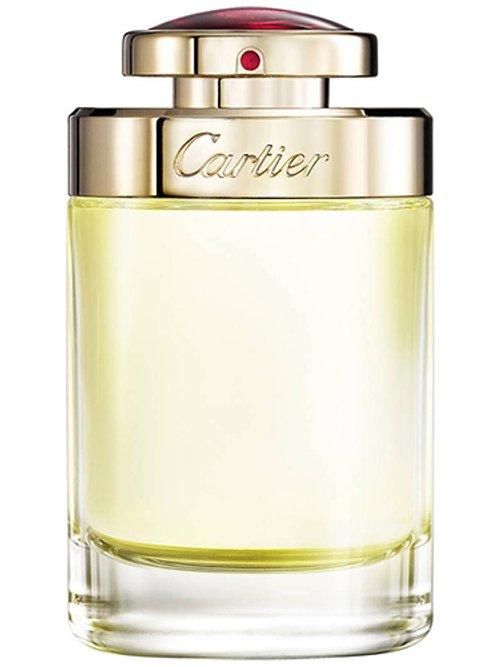
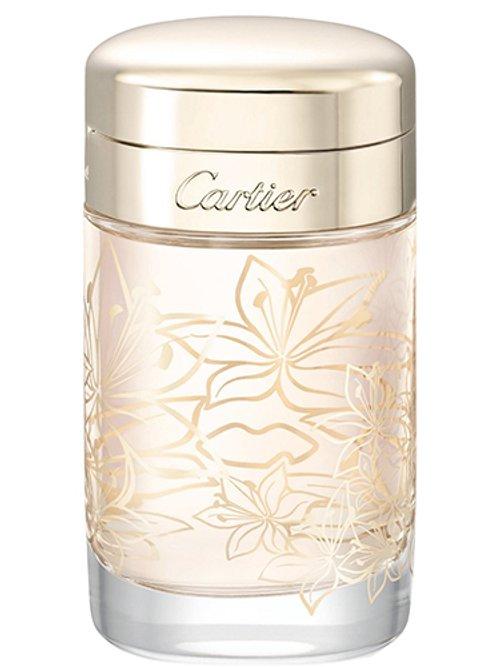
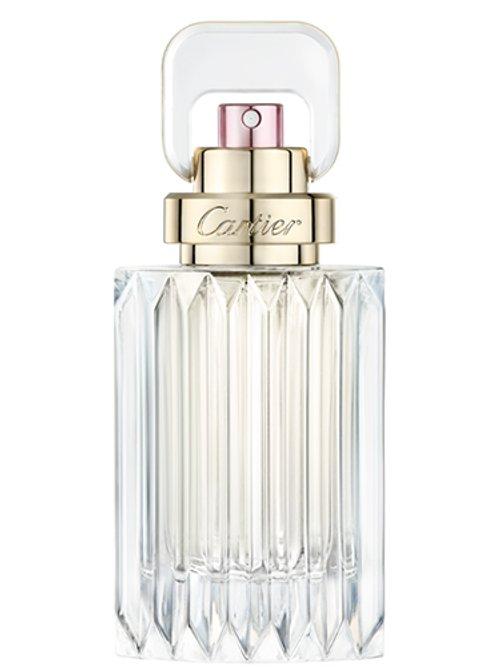
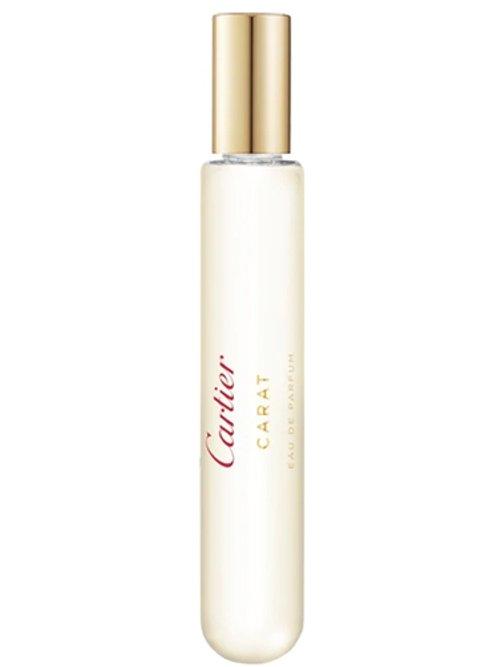
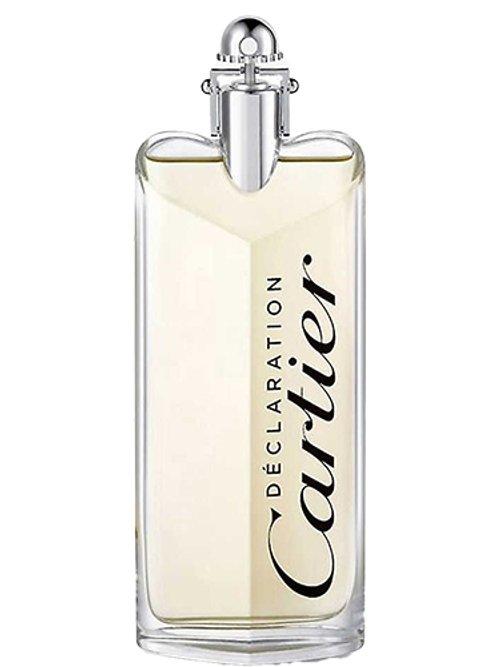
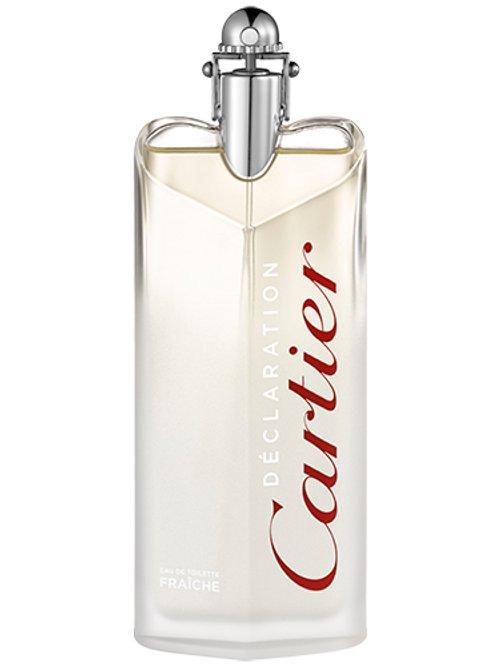
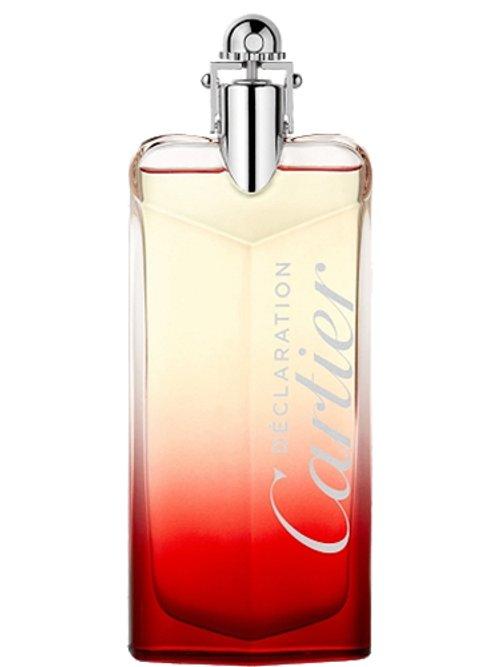
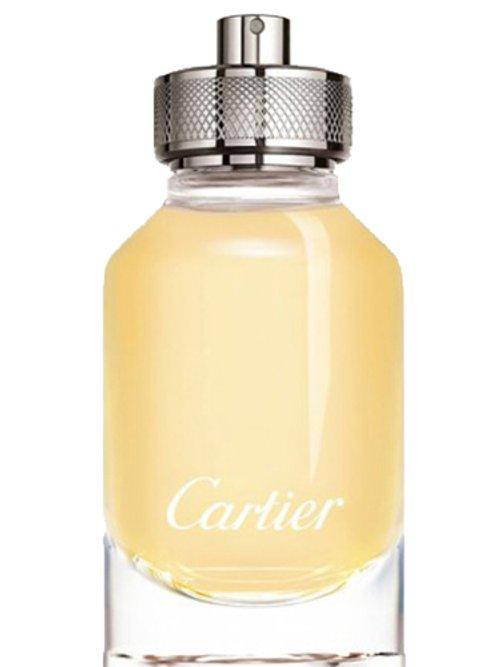
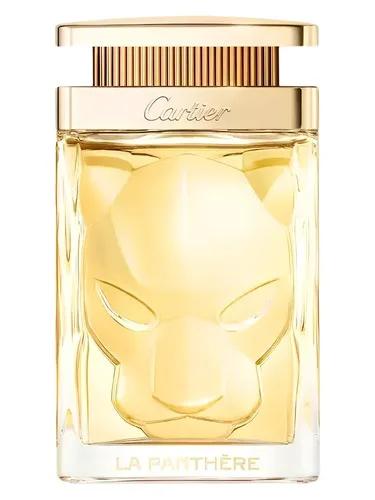
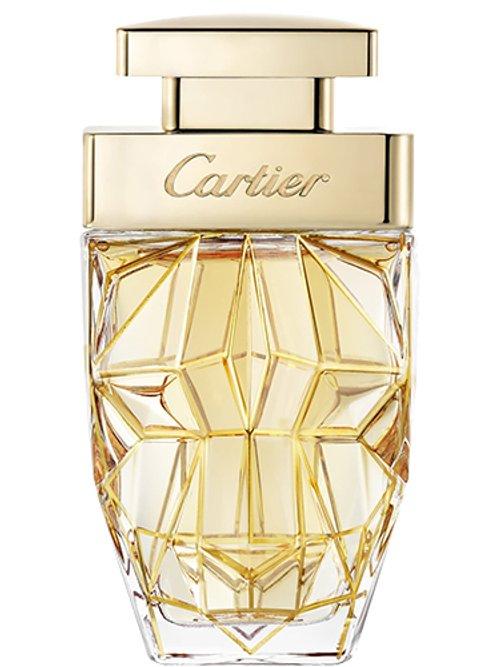
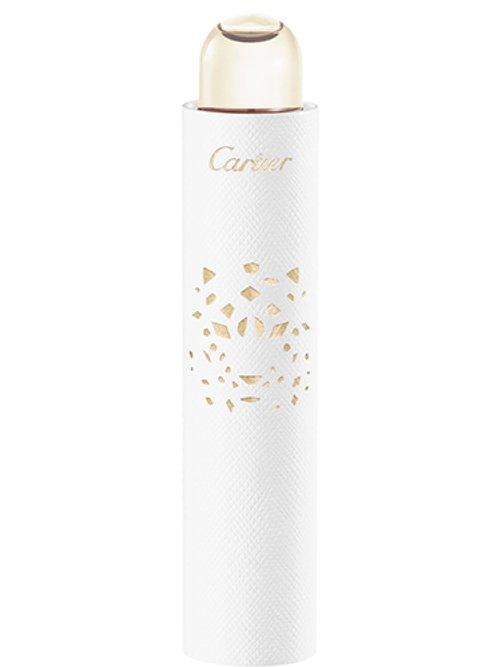
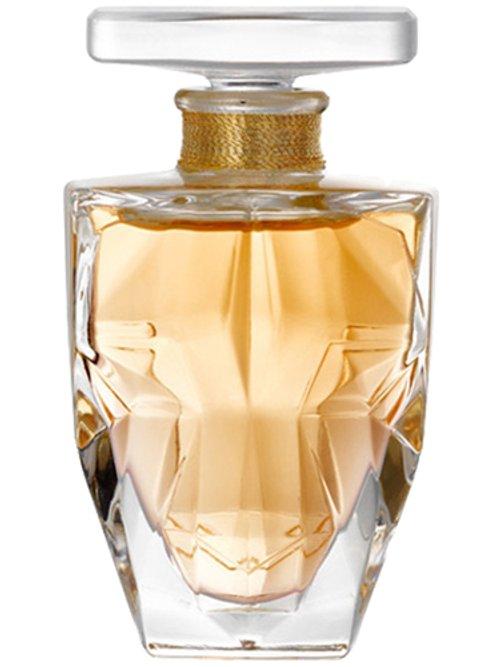
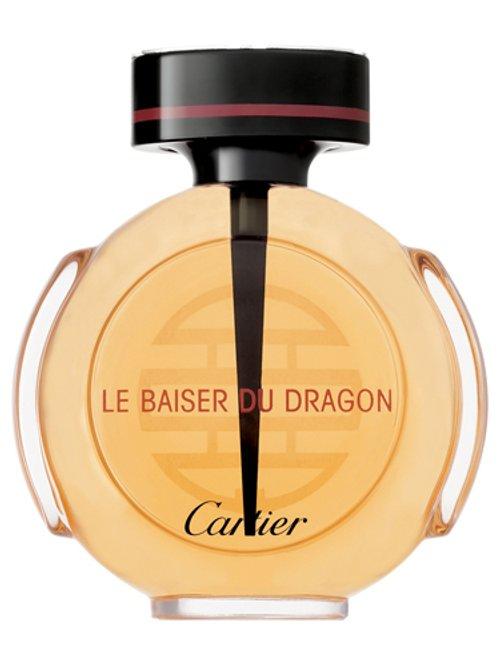
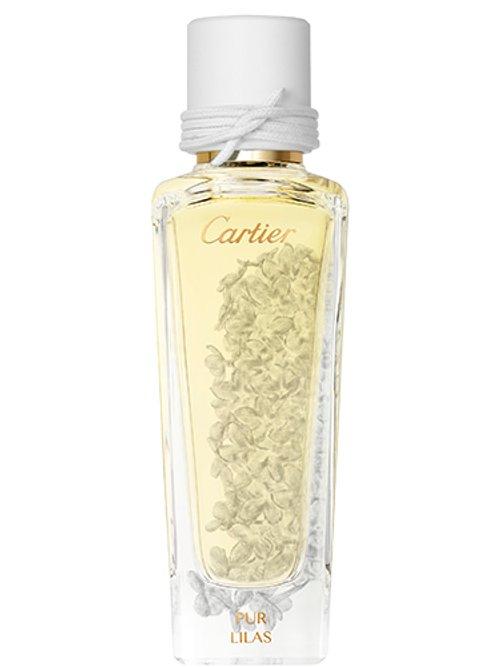
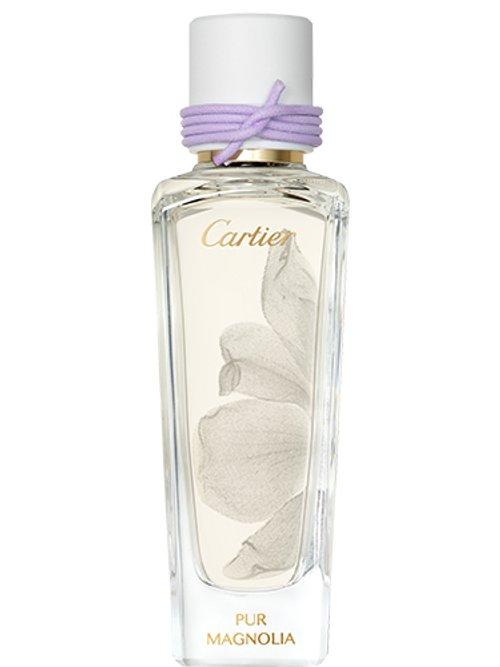
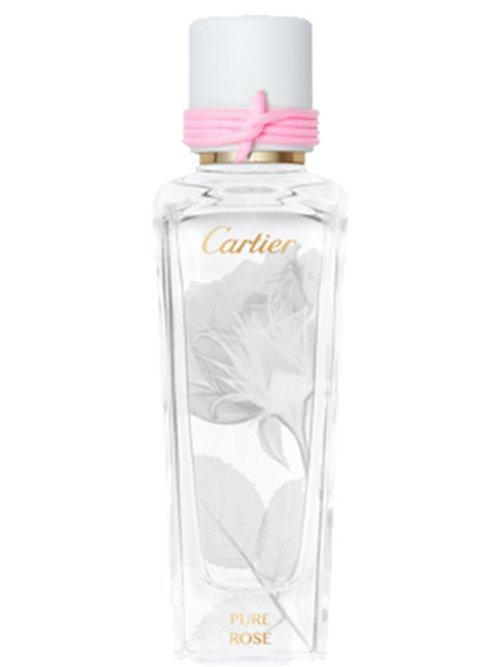
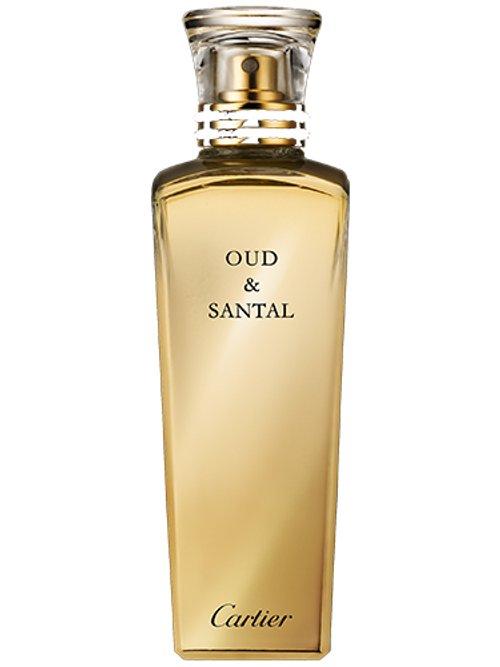
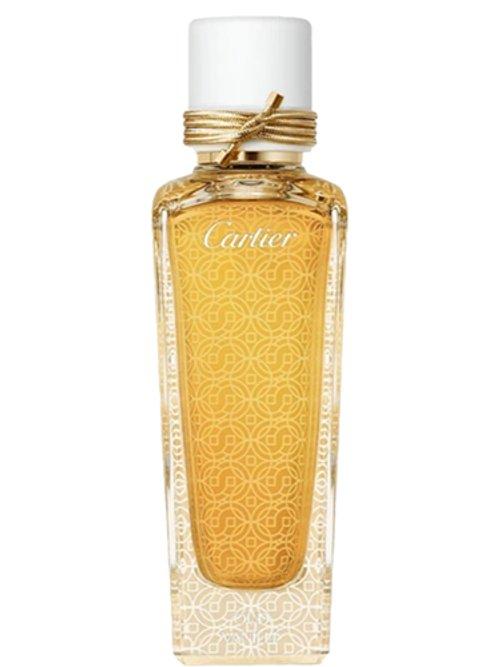
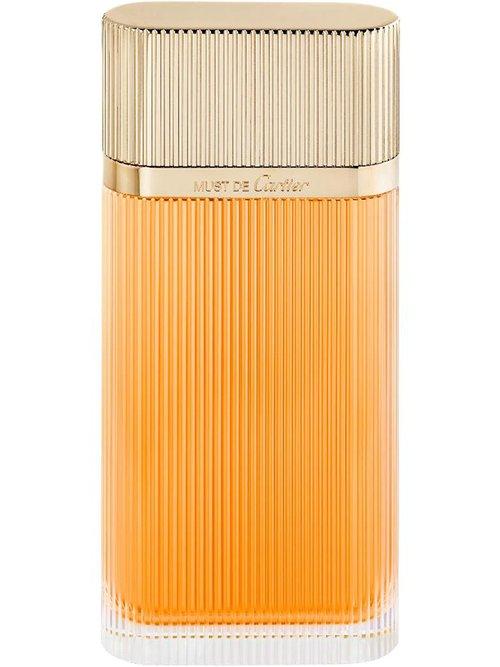
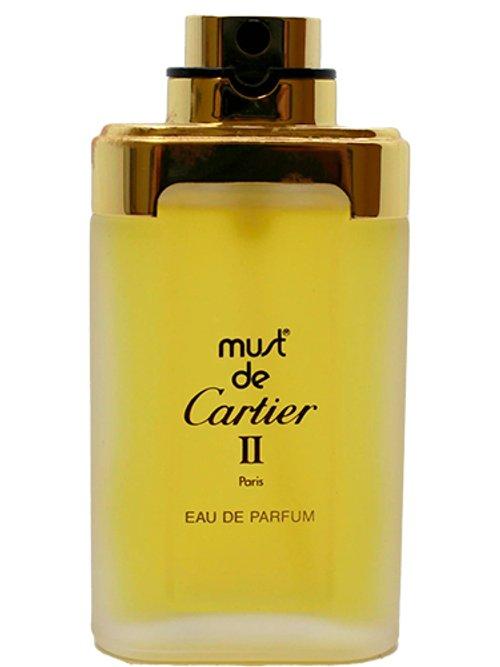
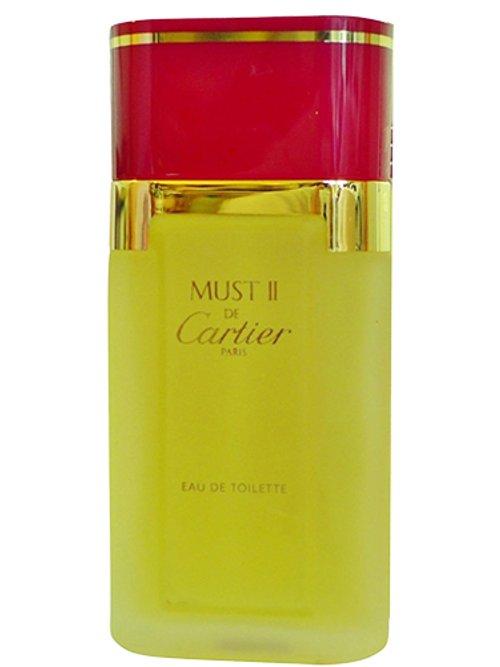
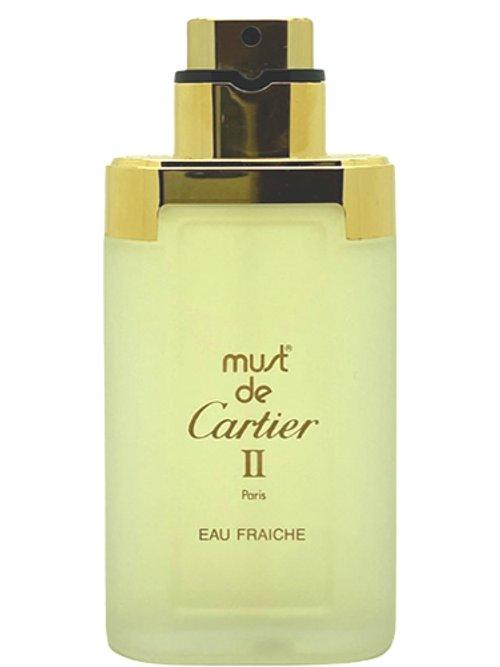
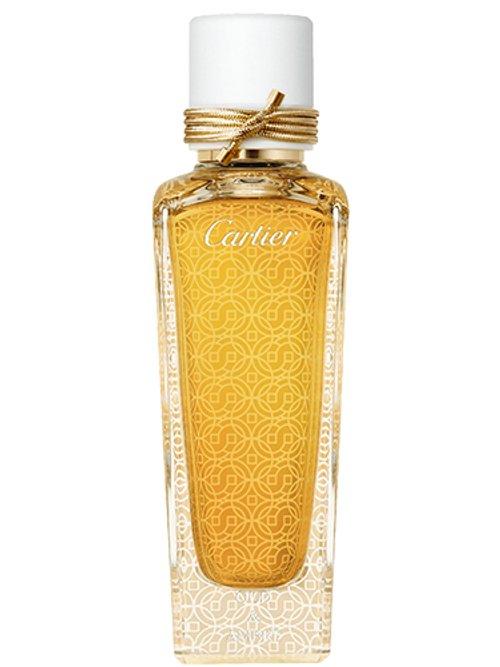
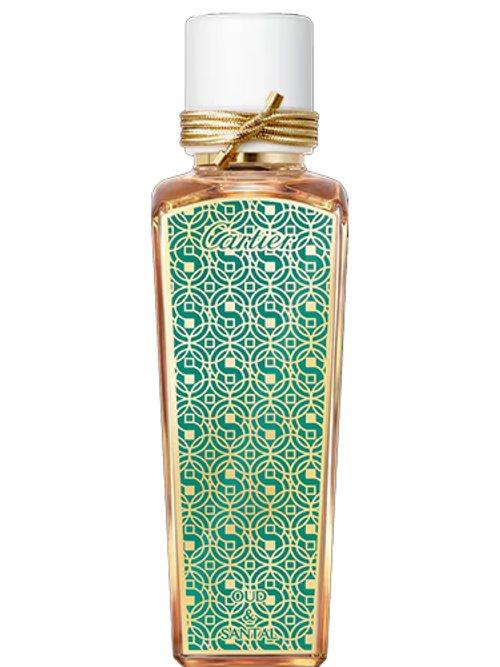
Founded in Paris in 1847, Cartier built its first century on high jewellery, watches, and objects of art before turning formally to fragrance. The house launched its first perfume, Les Must de Cartier, in 1981, and followed with the iconic Déclaration and Baiser Volé. What distinguishes Cartier's approach is institutional continuity: in 2005, the maison appointed Mathilde Laurent as its first in-house perfumer, a rare commitment in an industry that typically parcels creation out to contracted noses. Laurent's tenure produced La Panthère, Oud & Rose, and the Heures de Parfum collection — compositions that favour geometric precision and restraint over maximalist projection. The line spans prestige department-store releases and the more elevated Les Heures Voyageuses. Across both tiers, Cartier maintains a quieter classicism: no celebrity flankers, no mass-market proliferation. The brand's fragrance output is relatively small, which works in its favour.
- Chocolate100
DNA over time
Each column is an era. Each colored band shows that family’s share of accord weight across every perfume the house released in that window. Bigger band = the house leaned harder on that family.