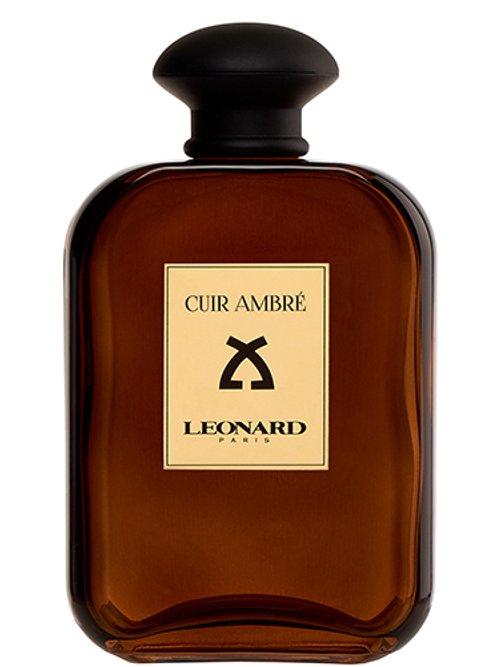
Léonard
Parisian fashion house celebrated for silk prints and floral femininity.
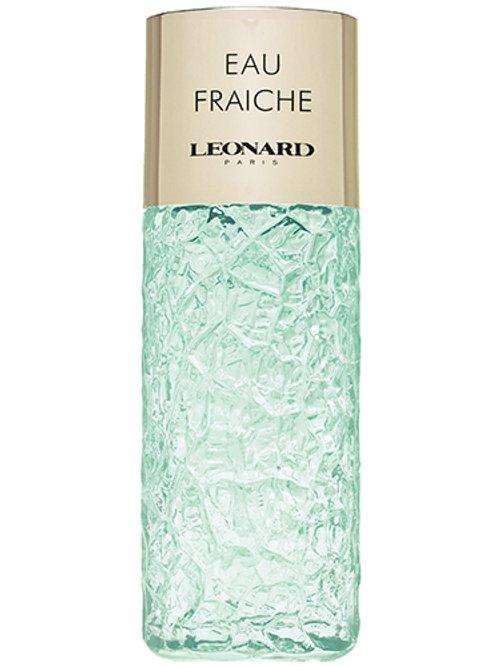
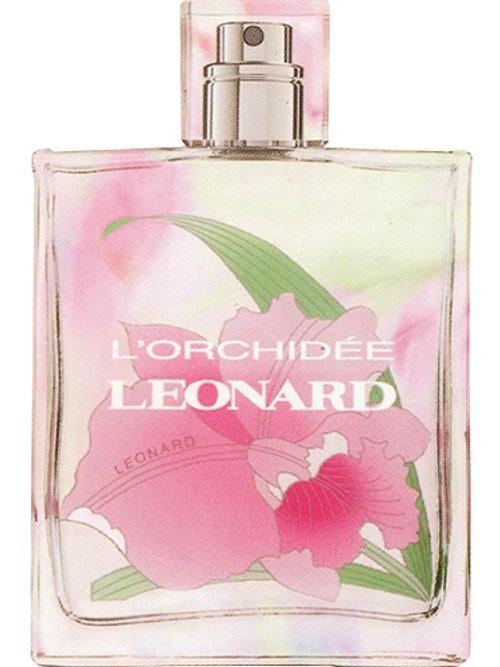
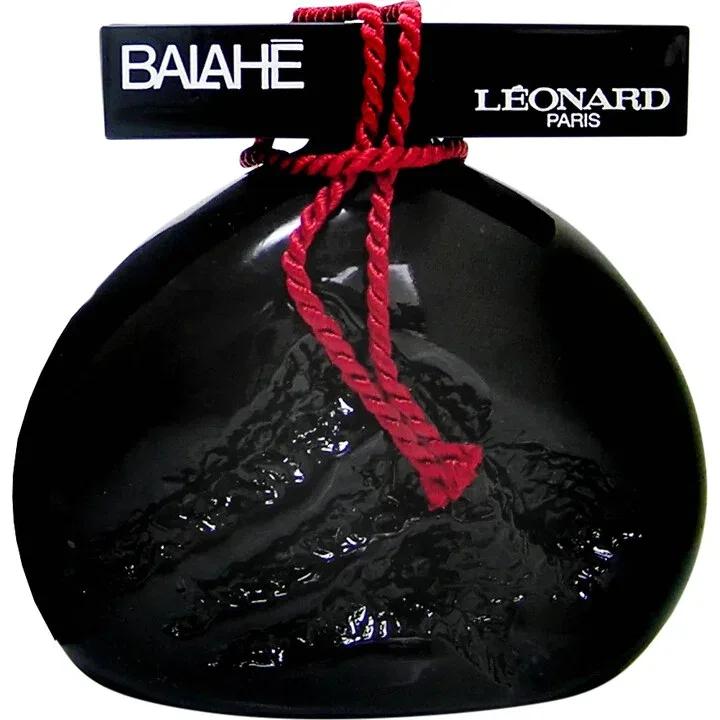
Léonard was established in Paris in 1958 when businessman Jacques Leonard invited Daniel Tribouillard—a man of markedly artistic temperament—to lead a new fashion venture. Tribouillard's decisive contribution came in 1960 when he cracked the technique of printing English wool jerseys, a fabric considered technically unprintable at the time. Adopting the orchid as the house emblem, he built a visual identity around a delicate flower with no geometric limits—prints of exceptional chromatic richness that made Léonard synonymous with luxury knitwear through the 1960s and sold in the most prestigious American department stores. Fragrance entered the house's vocabulary in the early 1970s as part of a broader diversification into perfume, silk scarves, and neckties. The earliest editions, including the iconic Fashion (1970) and the warm oriental Balahe (1983), carried the house's signature floral sensibility into the olfactory register without abandoning the painterly colour that defined its textiles. Leonard de Leonard followed, cementing a small but coherent fragrance portfolio that sat comfortably in the prestige tier. Today Léonard Paris continues to operate as an independent couture and fragrance house with a loyal following among those who value French craft and the particular opulence of mid-century Parisian elegance. Its fragrances are collector-friendly survivors of an era when fashion houses treated perfume as genuine artistic extension rather than licensed revenue.
DNA over time
Each column is an era. Each colored band shows that family’s share of accord weight across every perfume the house released in that window. Bigger band = the house leaned harder on that family.