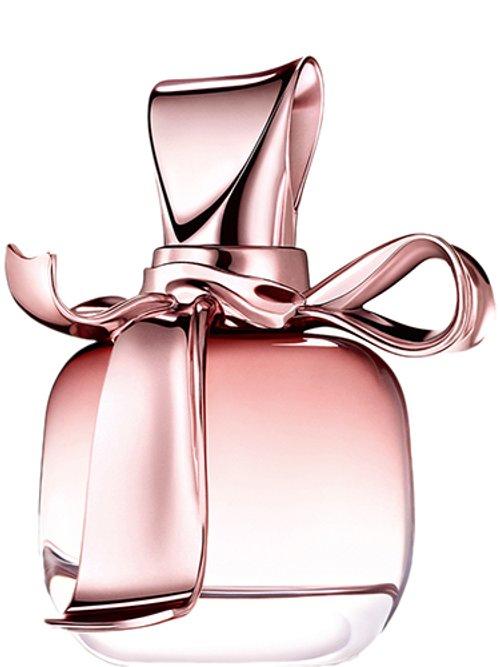
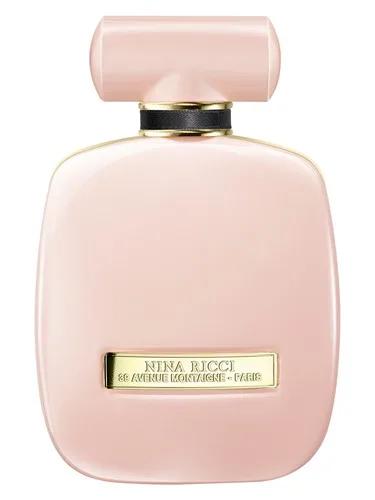
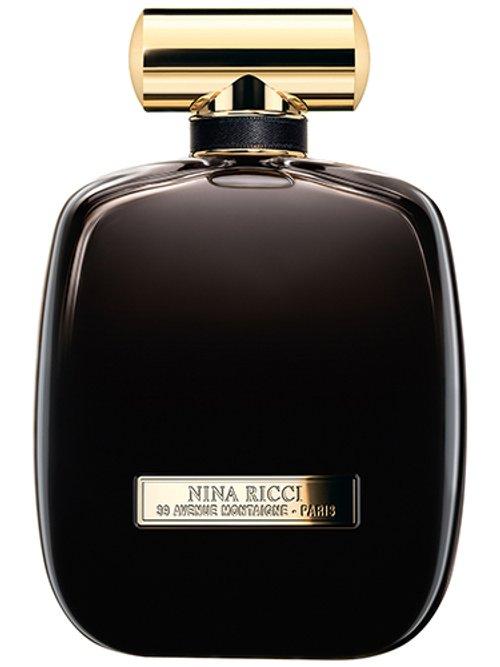
Nina Ricci
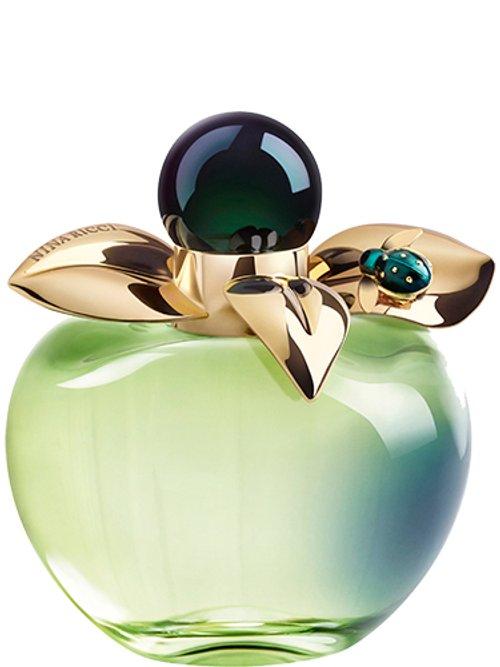
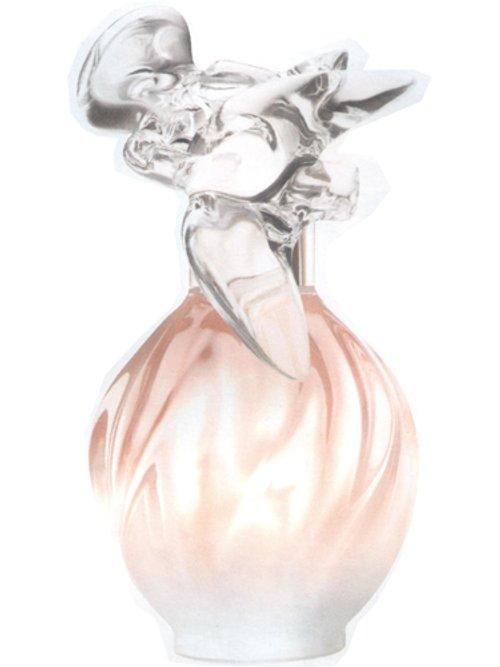
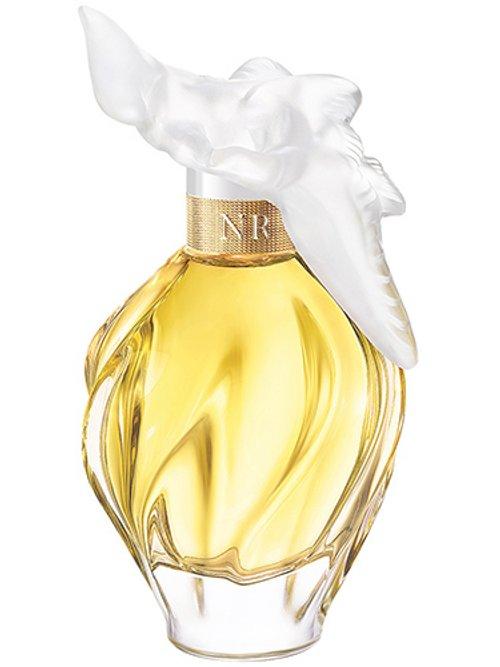
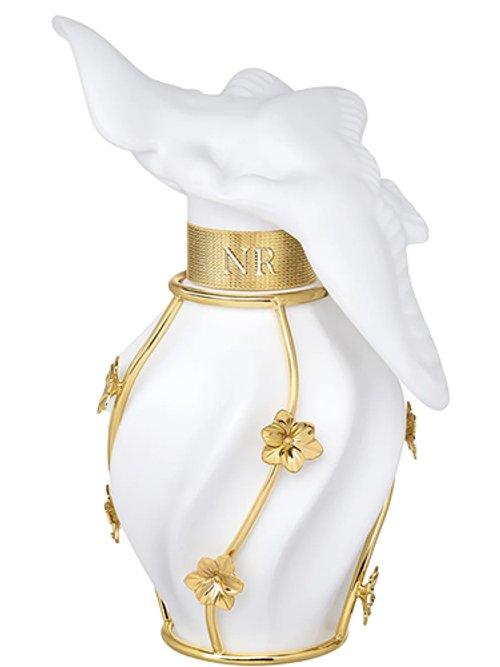
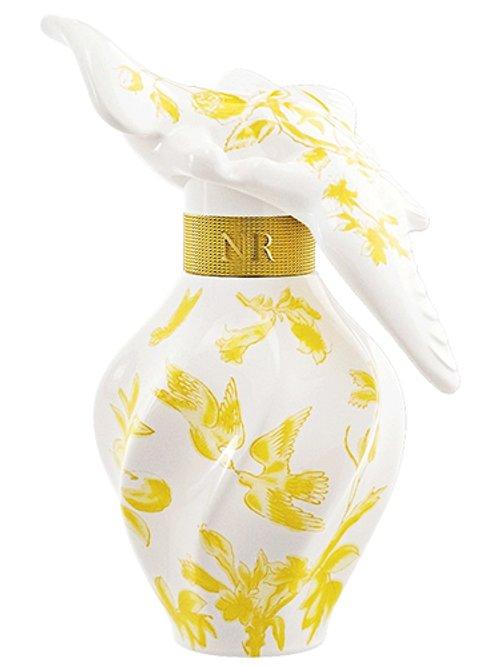
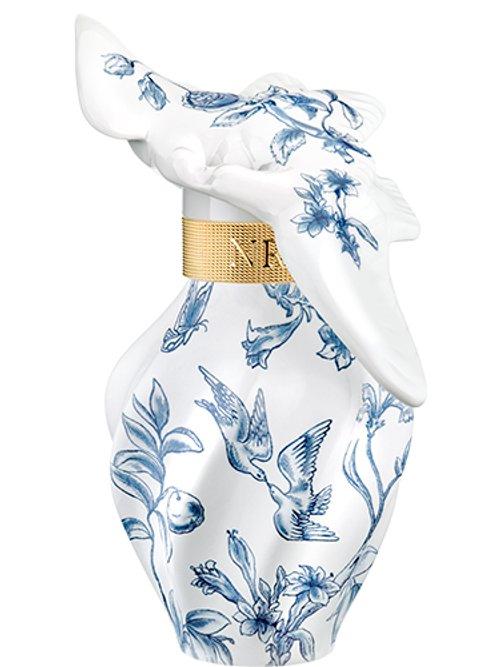
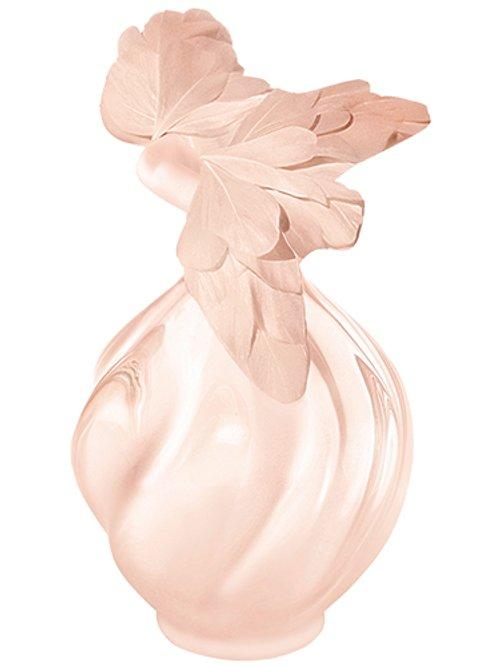
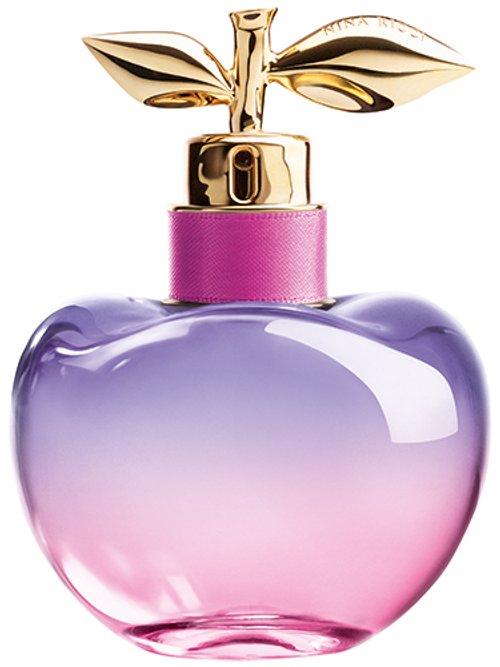
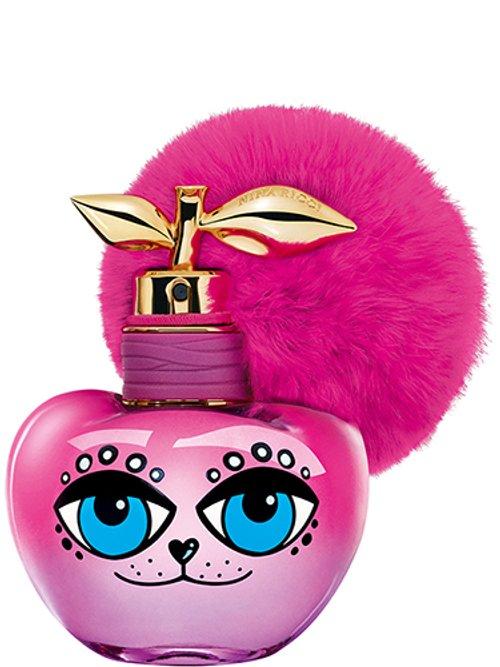
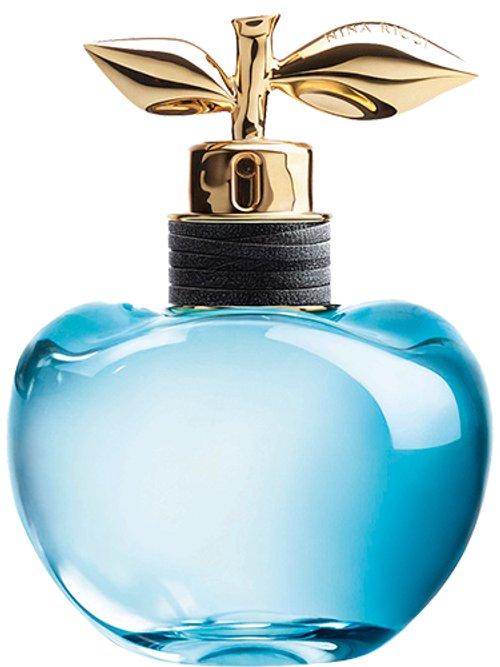
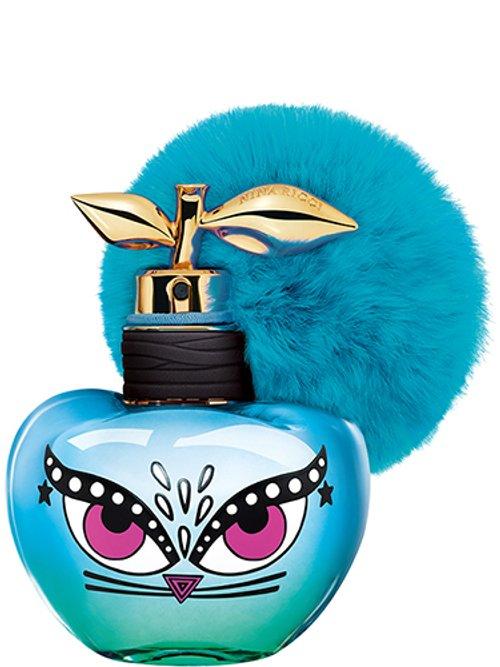
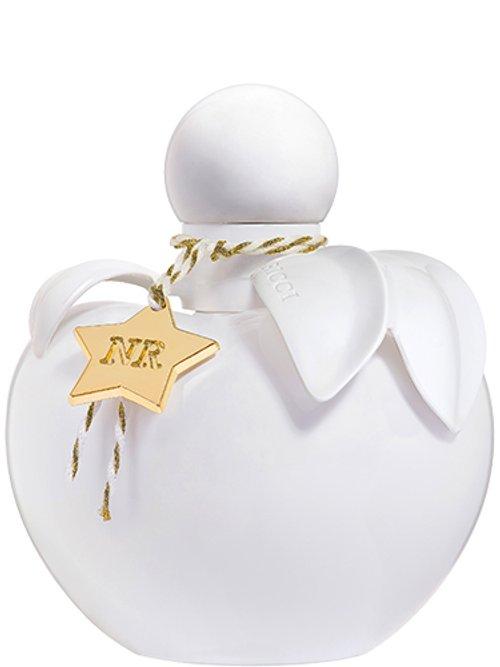
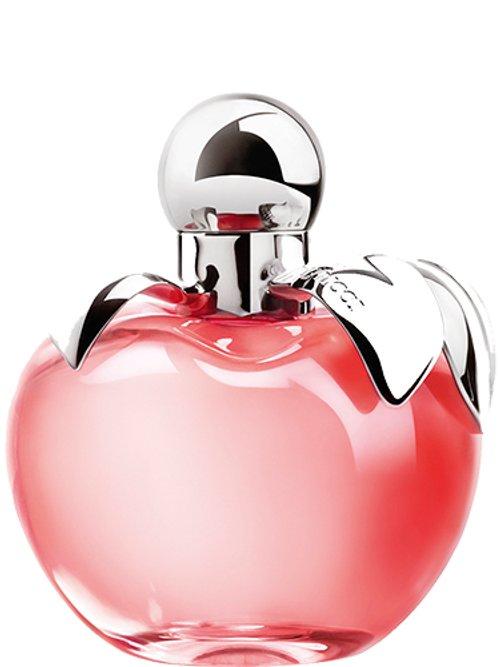
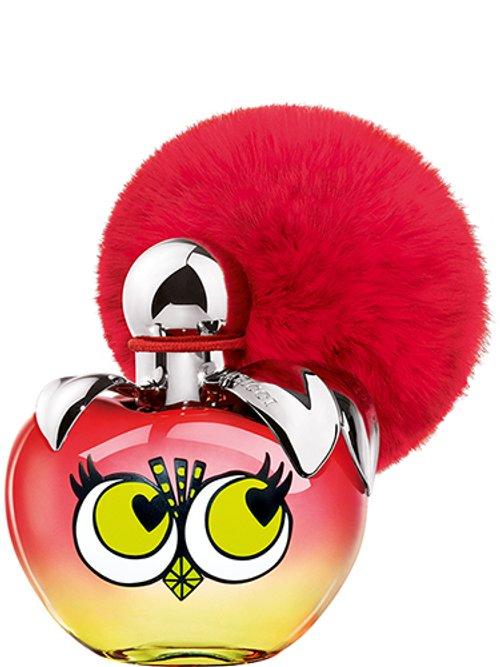
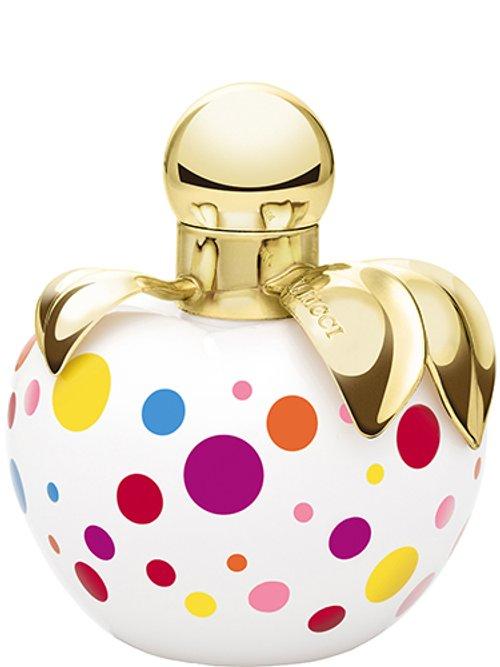
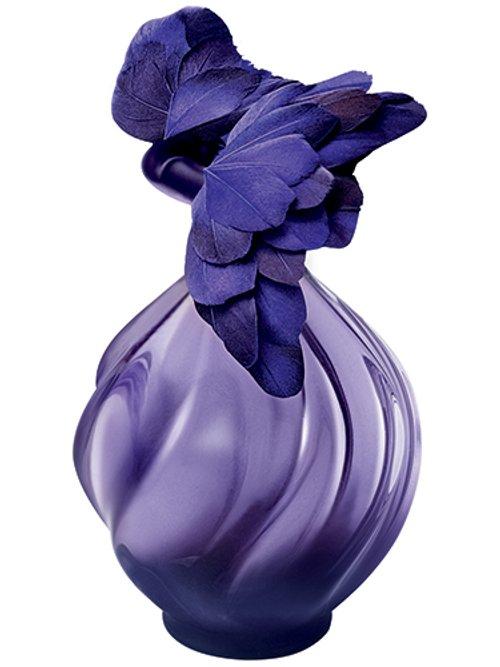
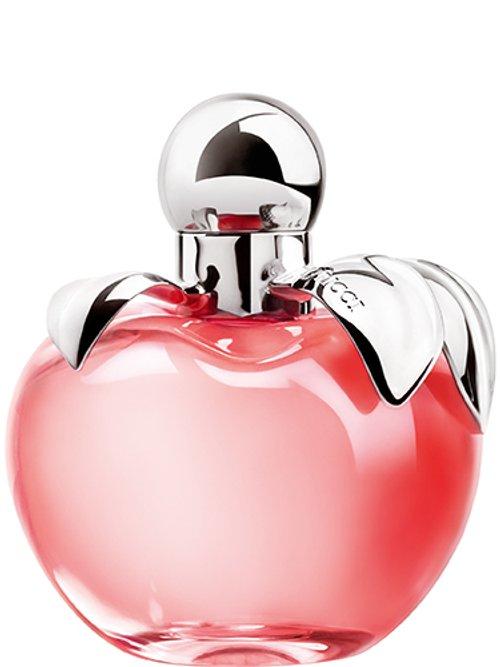
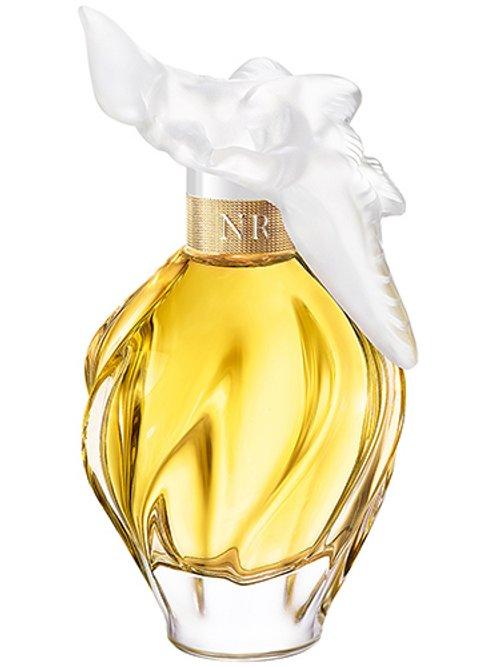
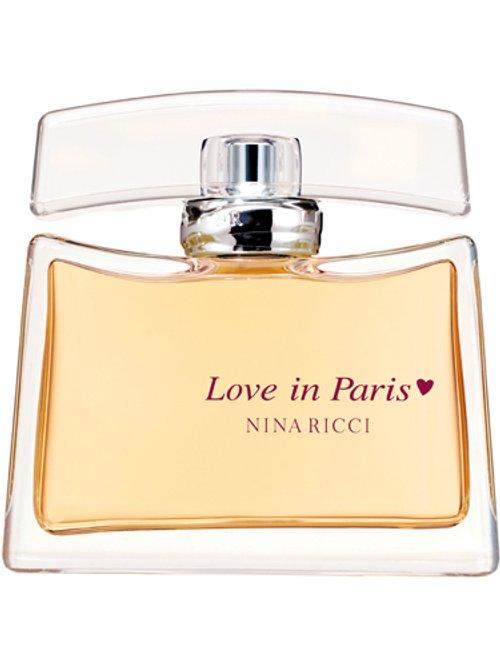
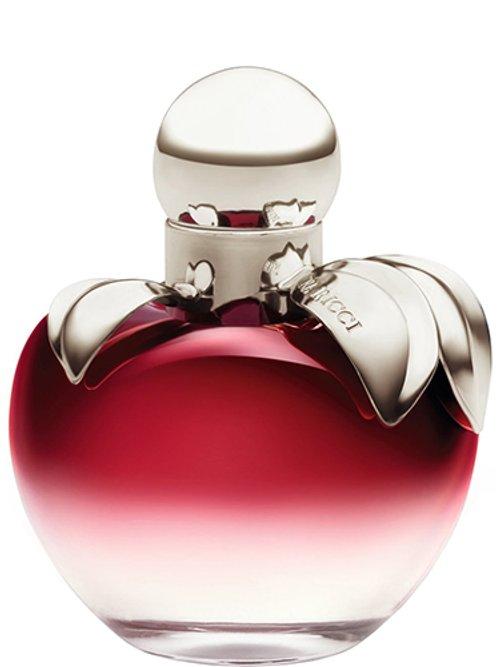
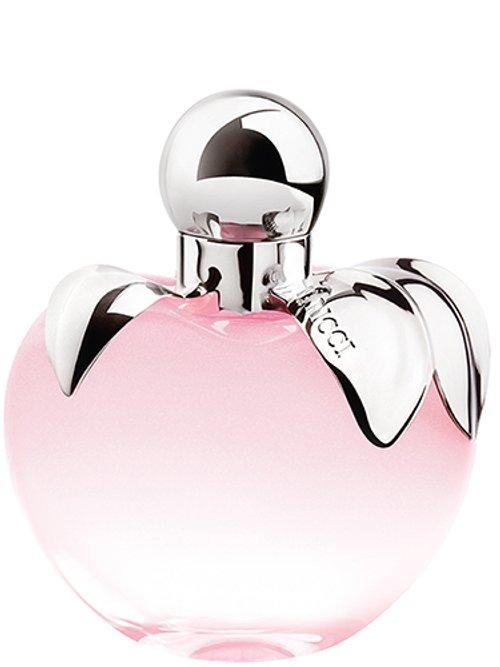
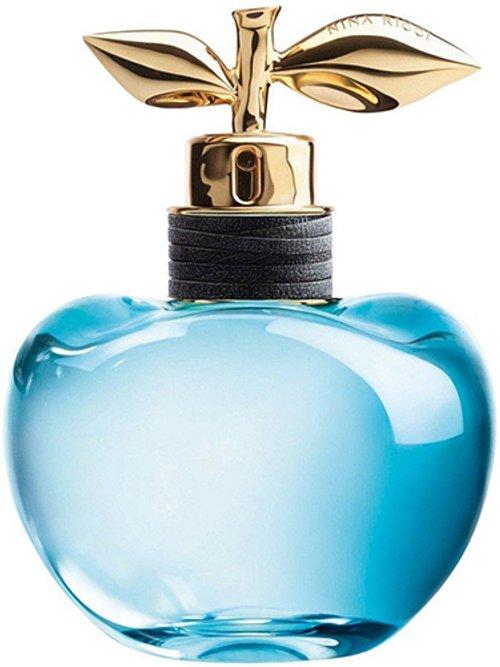
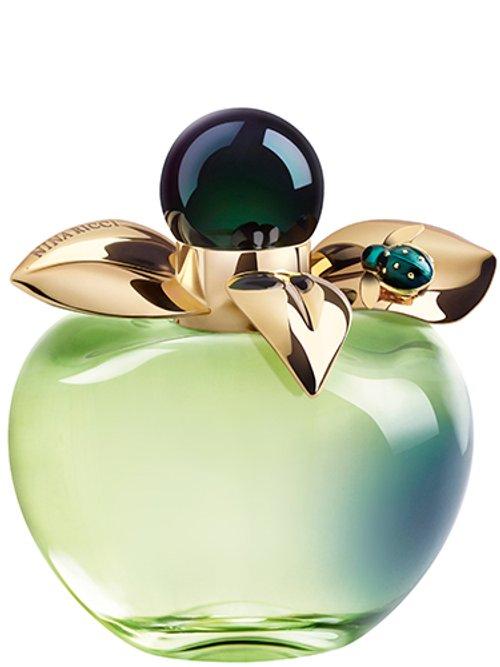
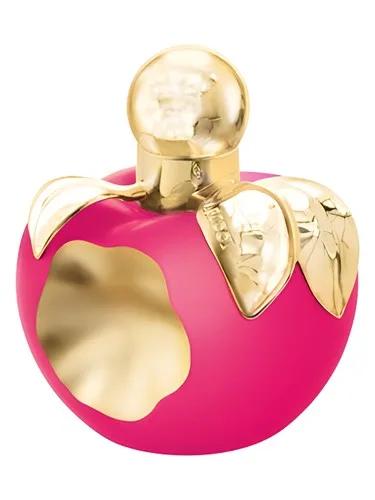
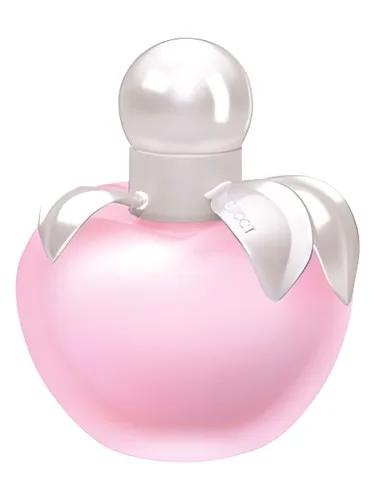
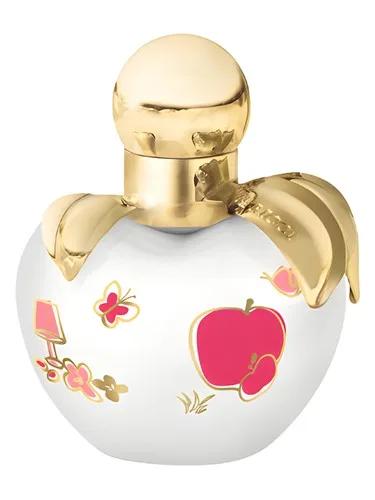
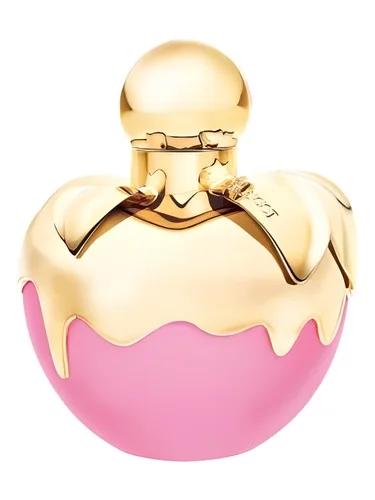
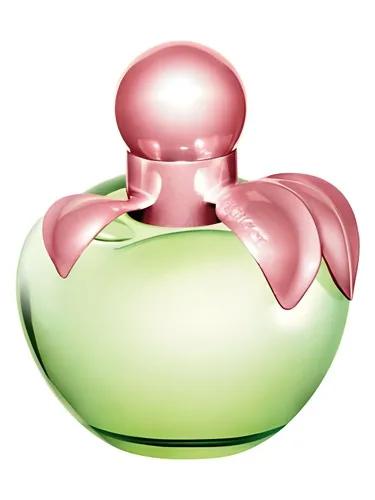
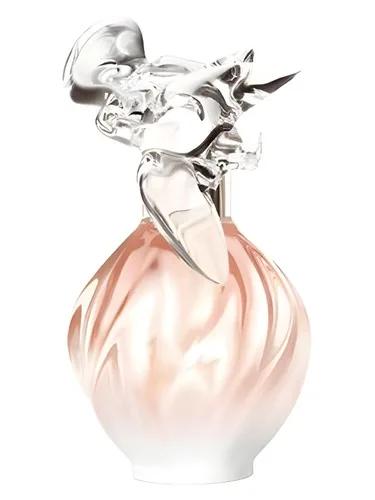
Nina Ricci — born Maria Nielli in Turin in 1883 — founded her couture house in Paris in 1932 with her son Robert, who became the commercial architect of the business. The perfume division launched in 1946 with Coeur Joie, but it was L'Air du Temps (1948), created by Francis Fabron and presented in a Lalique bottle with two doves, that defined the house. The composition — a powdery floral of carnation, gardenia, and sandalwood — became one of the best-selling fragrances of the 20th century. Puig acquired Nina Ricci in 1998, and the house now operates as part of the Spanish beauty group's prestige portfolio. The contemporary catalogue leans toward youthful, sweet florals — Nina (the apple-bottle) and its flankers form the commercial centre of the modern range. Perfumers including Olivier Cresp have contributed to current releases. The gap between the L'Air du Temps legacy and current output is wide; the house's critical standing rests primarily on its mid-20th century work.
DNA over time
Each column is an era. Each colored band shows that family’s share of accord weight across every perfume the house released in that window. Bigger band = the house leaned harder on that family.