Procter & Gamble
Global consumer goods conglomerate with fragrance divisions.
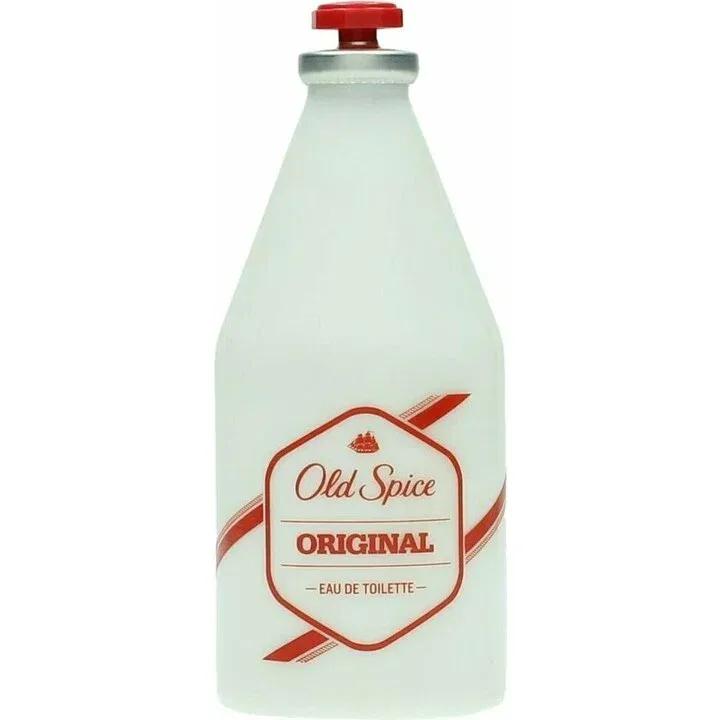
Procter & Gamble was founded in Cincinnati in 1837 by William Procter, a candle maker, and James Gamble, a soap maker — a founding that quietly anticipated the company's century-long centrality to the fragrance and personal care industries. Today P&G operates as one of the world's largest consumer goods companies, with fragrance woven through its product portfolio at every level: from laundry detergent base notes to licensed prestige fragrance brands and licensed celebrity fragrance production. P&G's fragrance operations have historically included ownership of Hugo Boss and Lacoste fragrance licences, production through its Beauty division, and deep investment in olfactory research through facilities including its Cincinnati R&D centre. The company's scale means its fragrance decisions — which materials to specify, which technologies to patent, which consumer trends to accelerate — shape the mass fragrance category globally. While P&G does not present itself as a creative perfume house, its technical and commercial influence on what the majority of the world's population smells every day is profound and largely invisible, embedded in products branded under dozens of names that bear no P&G identity marker.
DNA over time
Each column is an era. Each colored band shows that family’s share of accord weight across every perfume the house released in that window. Bigger band = the house leaned harder on that family.