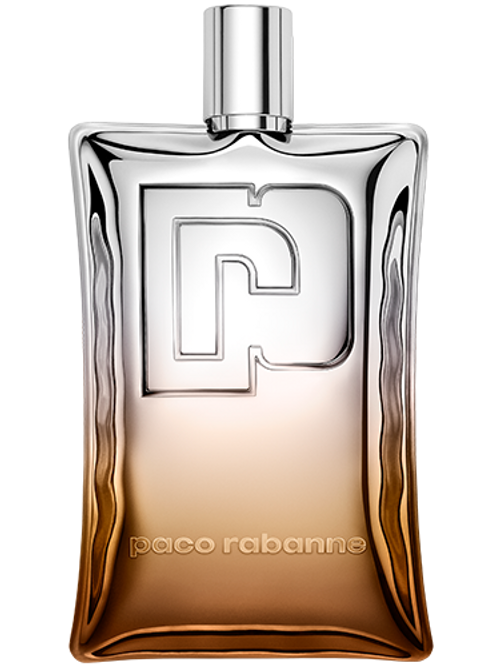
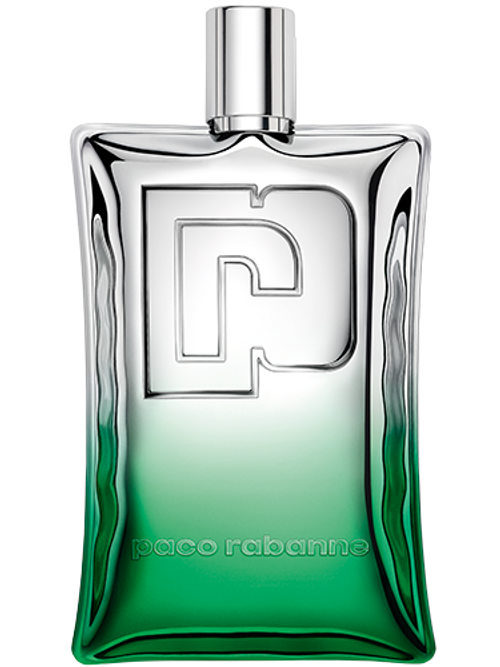
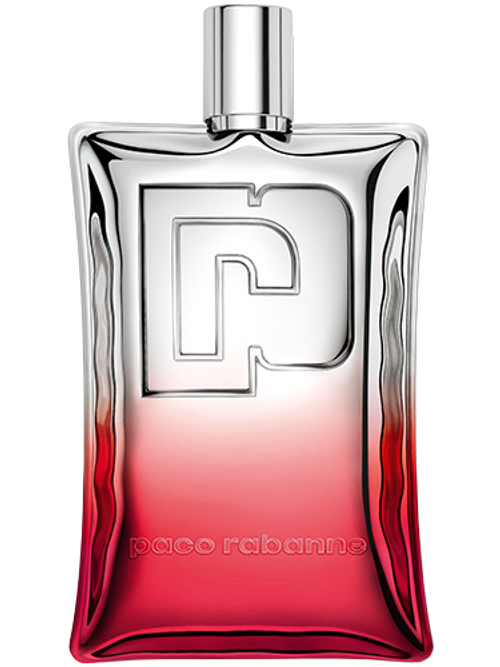
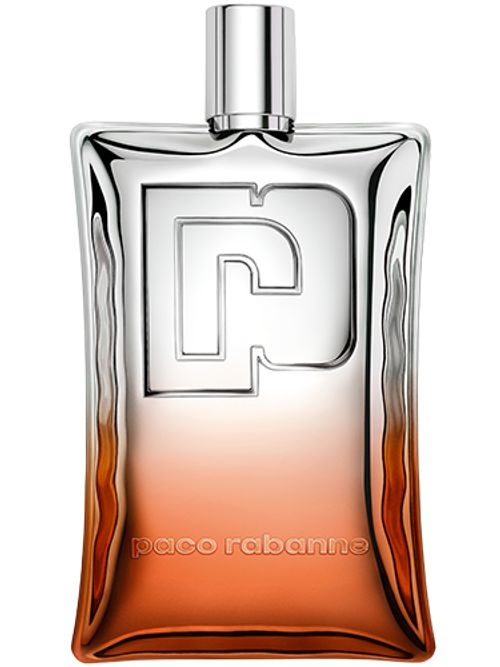
Rabanne
Metallic futurism translated into mainstream perfumery.
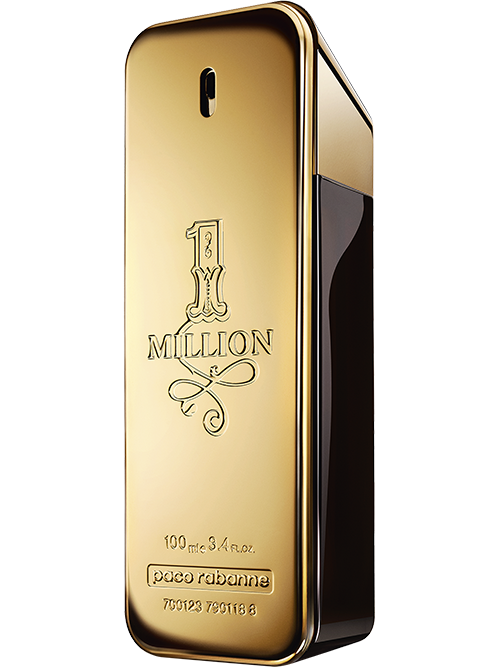
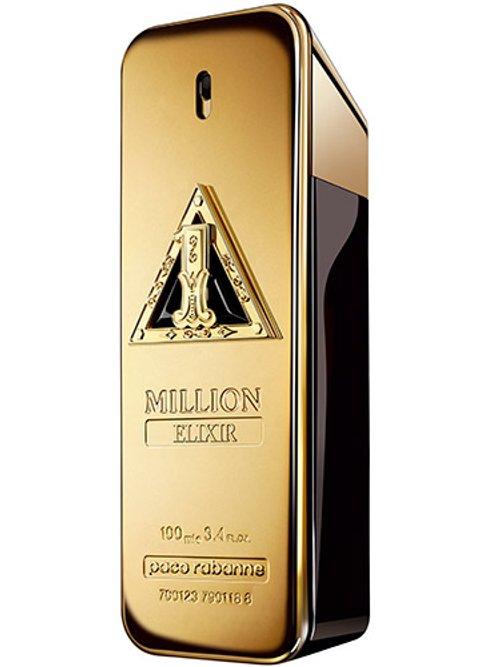
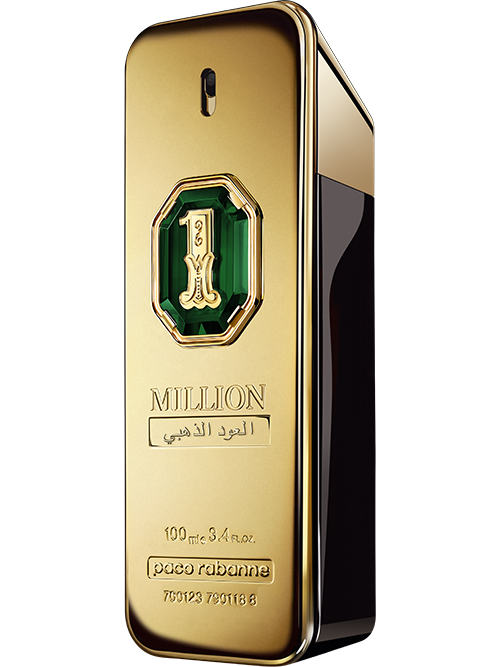
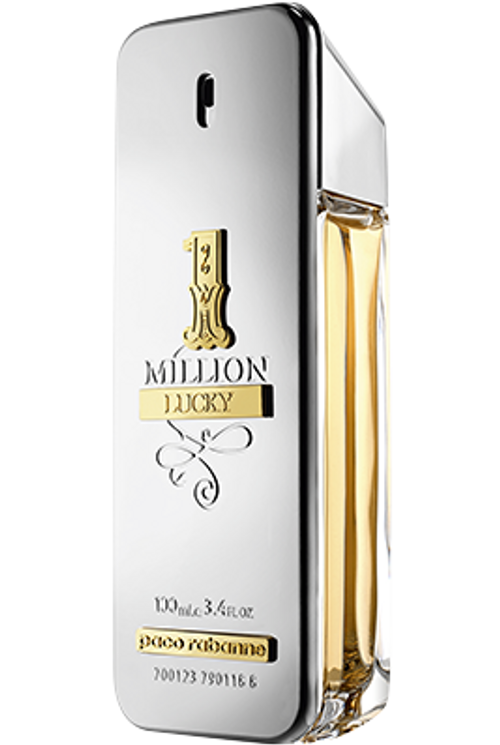
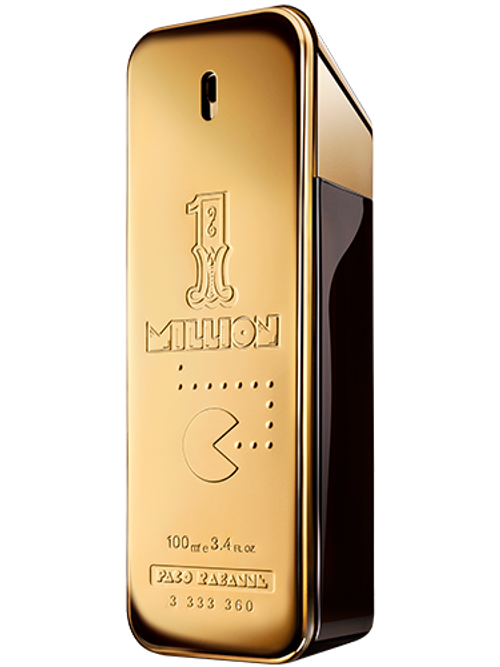
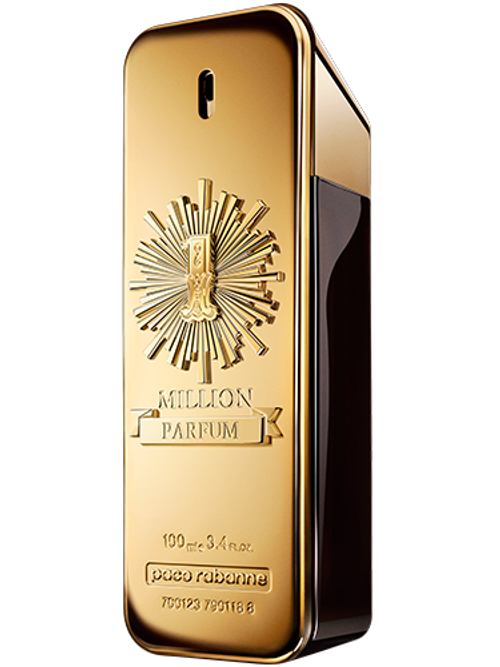
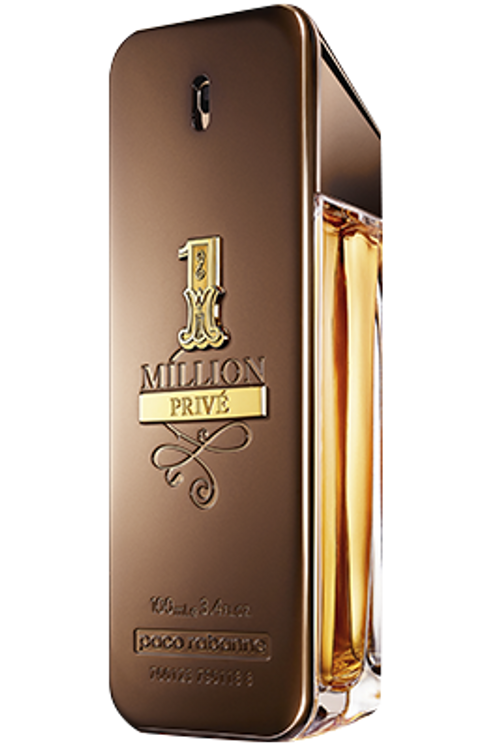
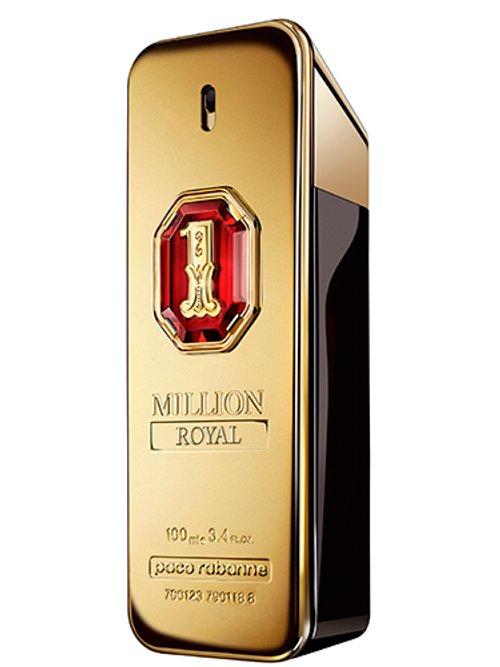
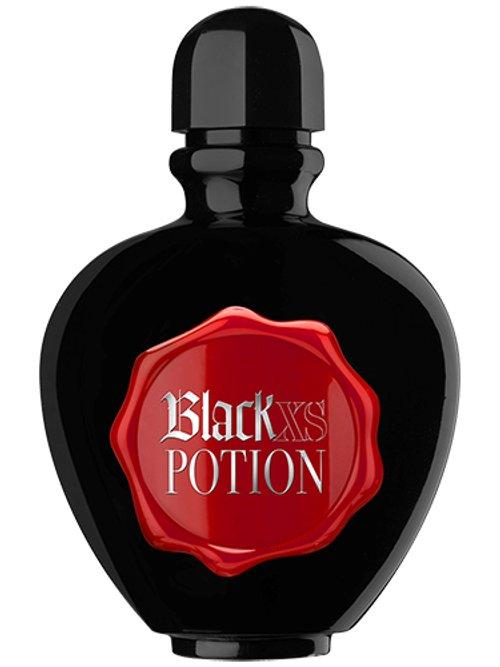
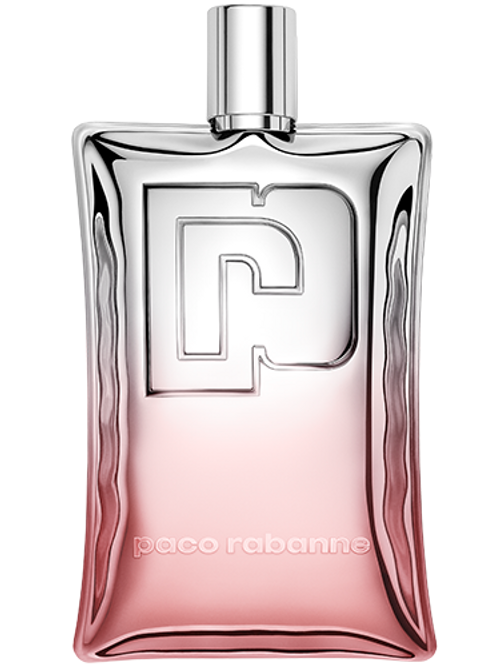
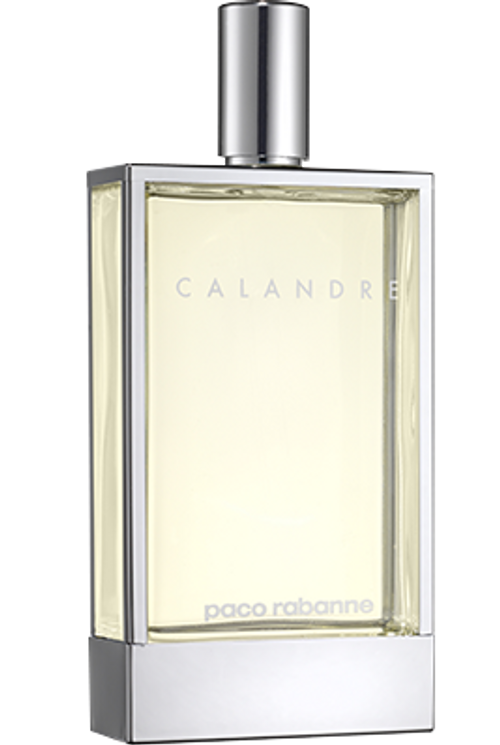
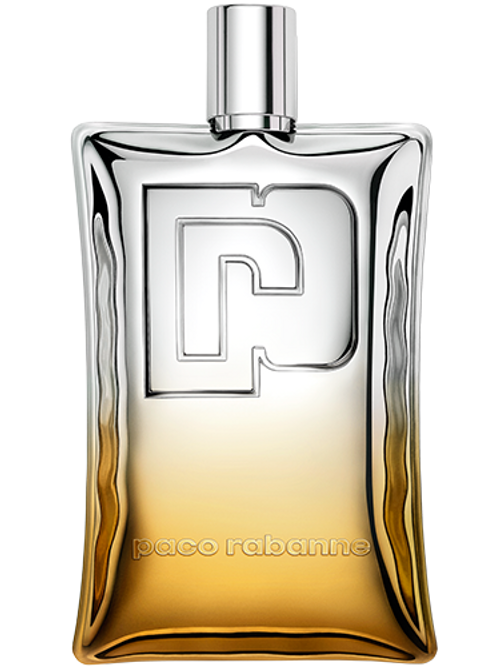
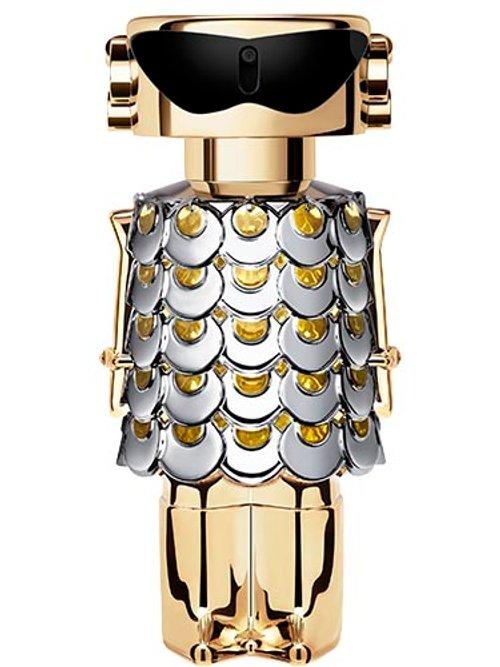
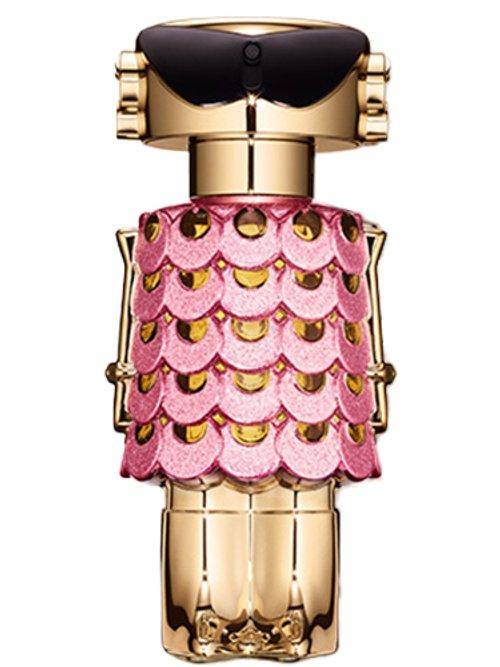
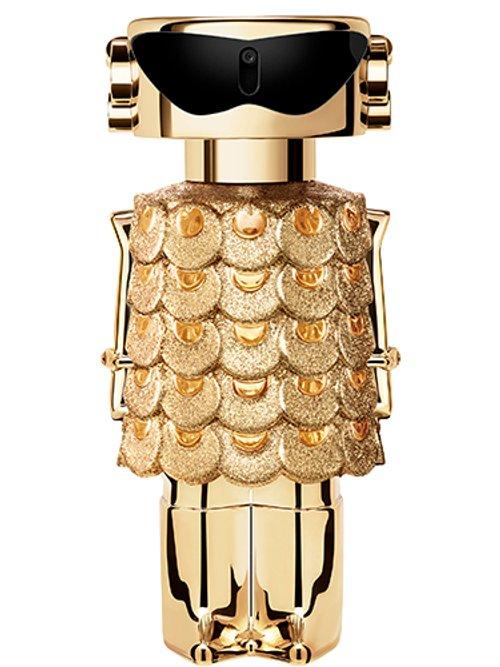
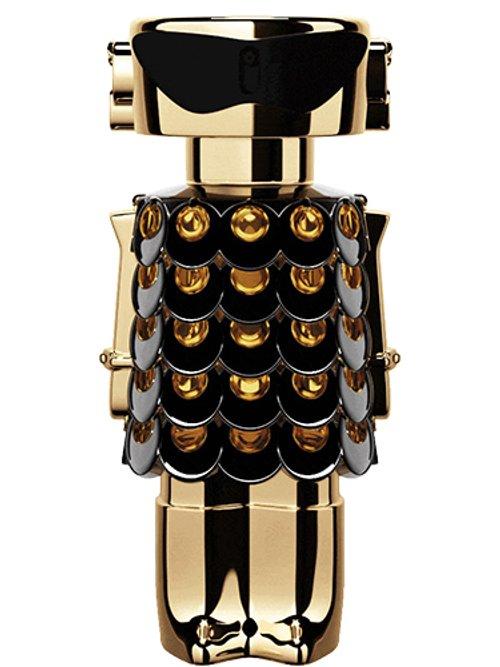
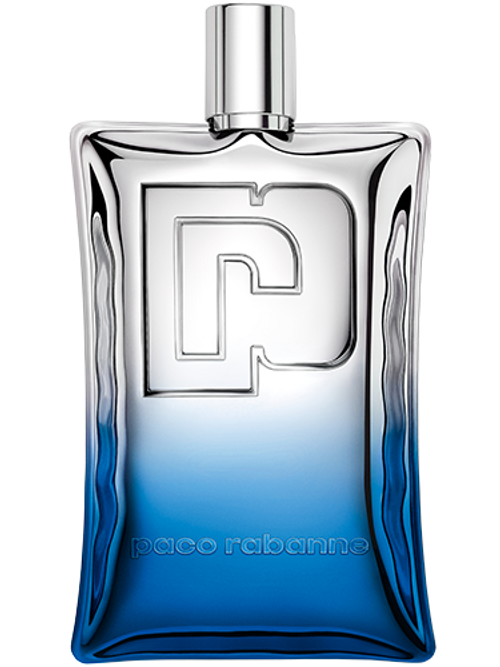
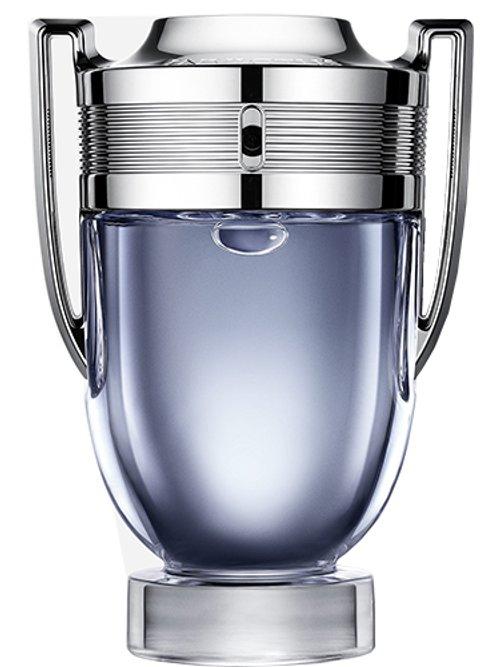
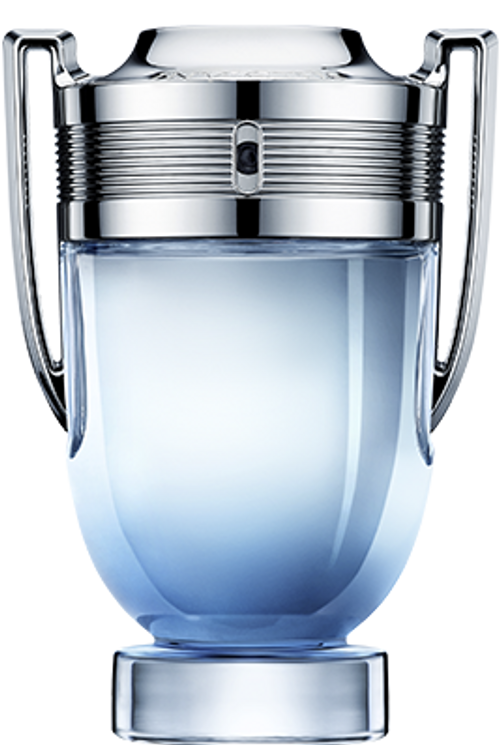
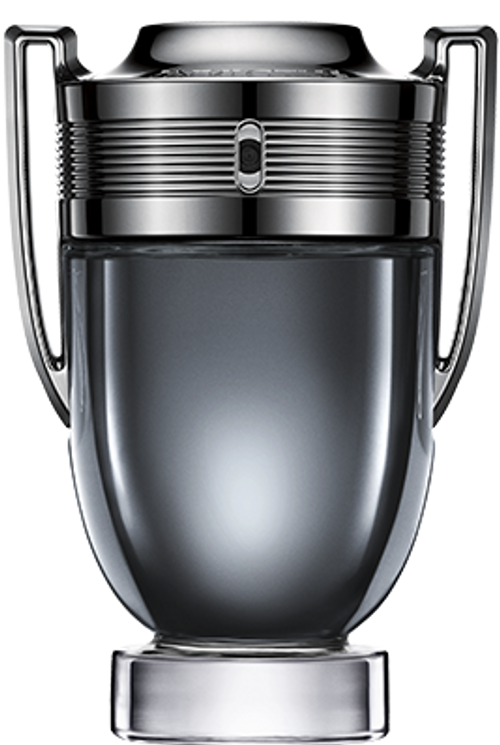
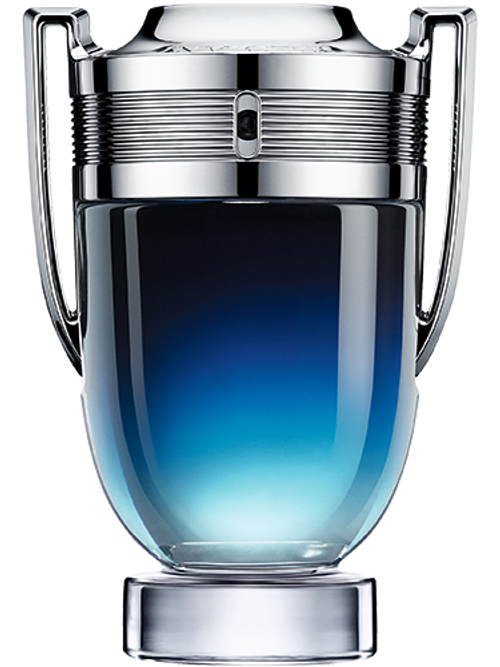
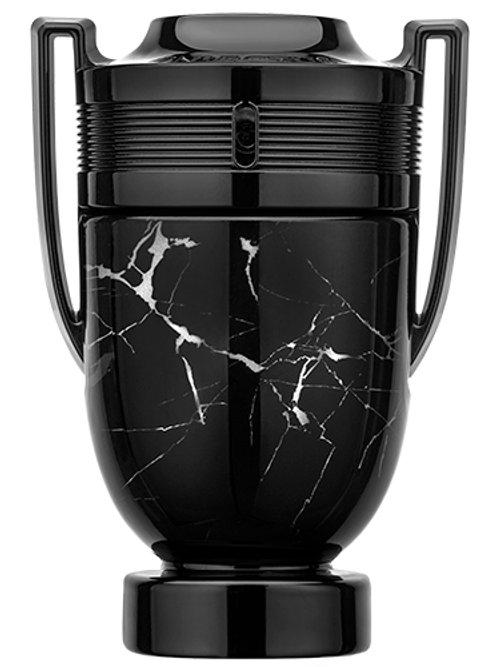
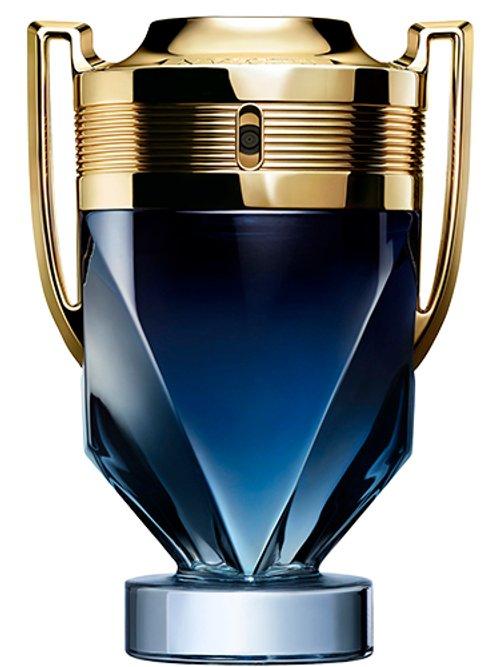
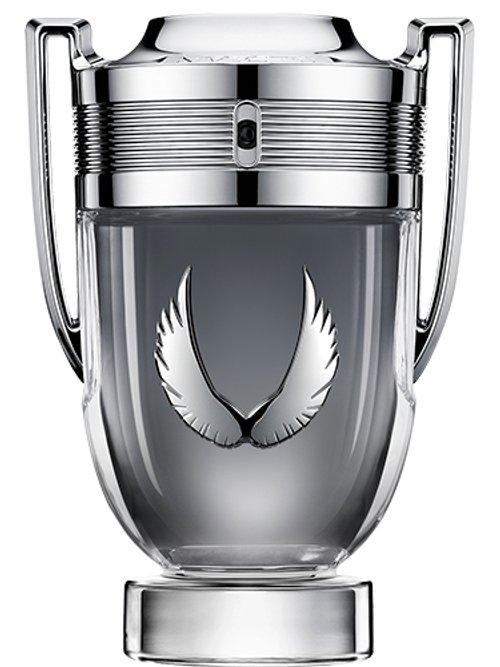
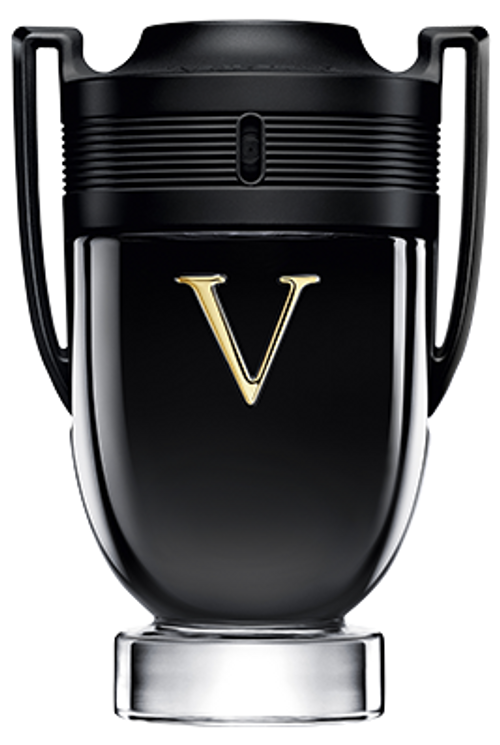
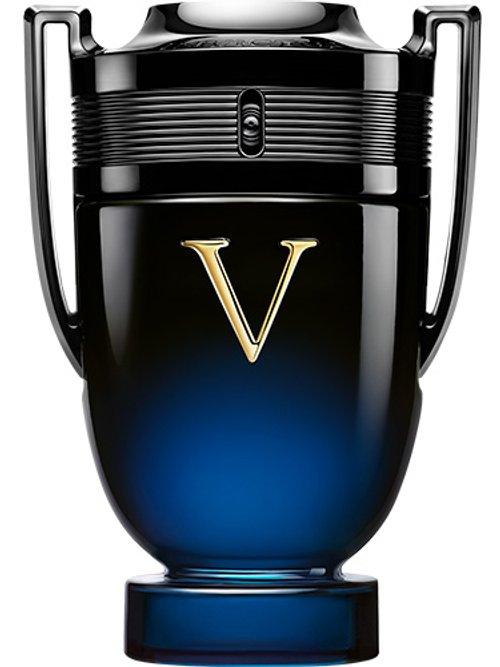
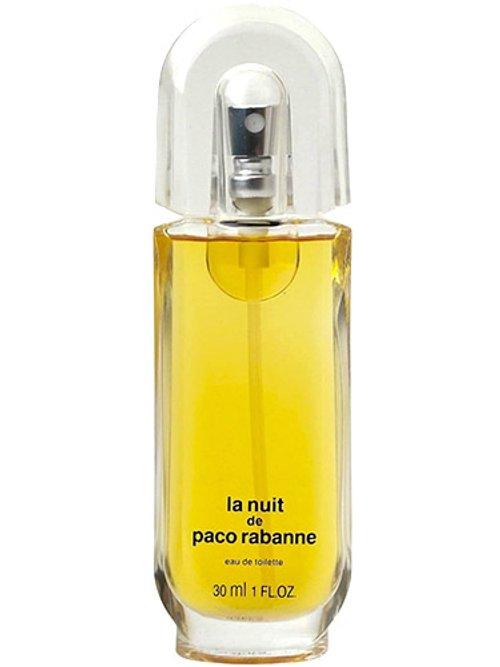
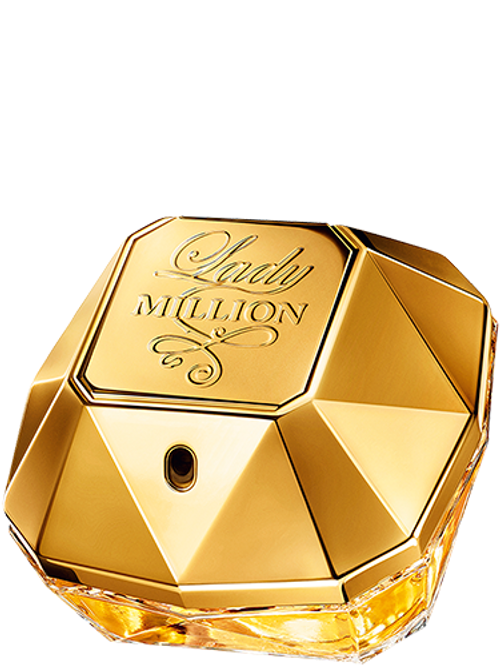
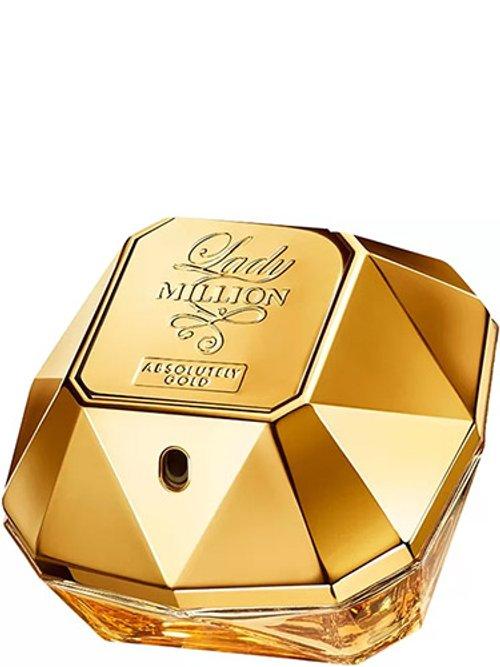
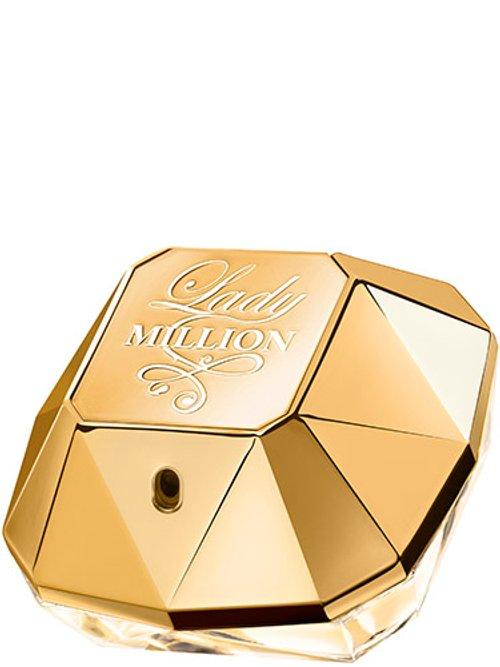
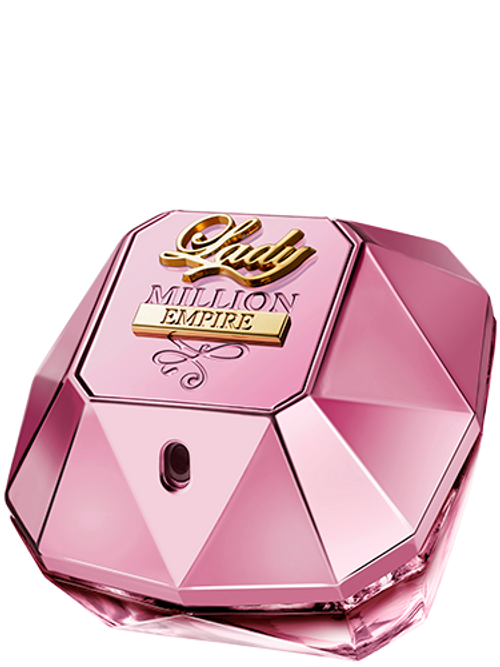
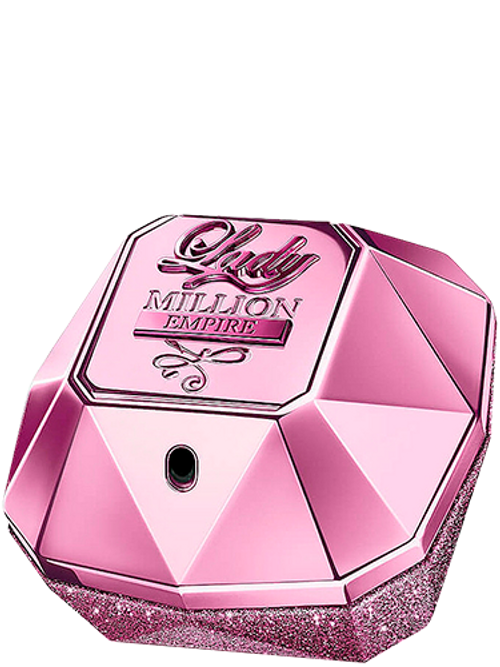
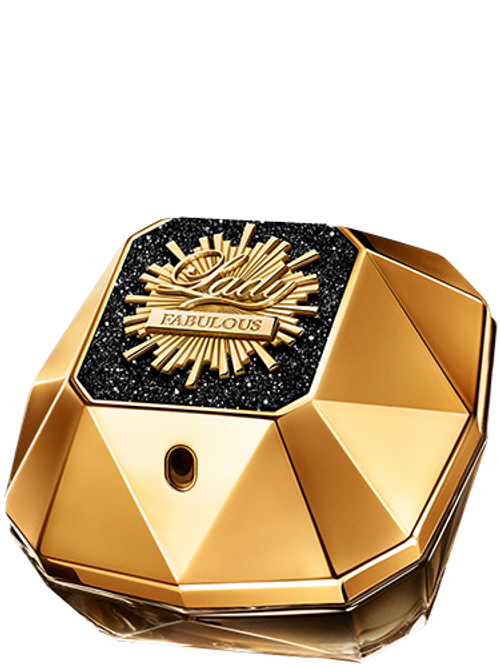
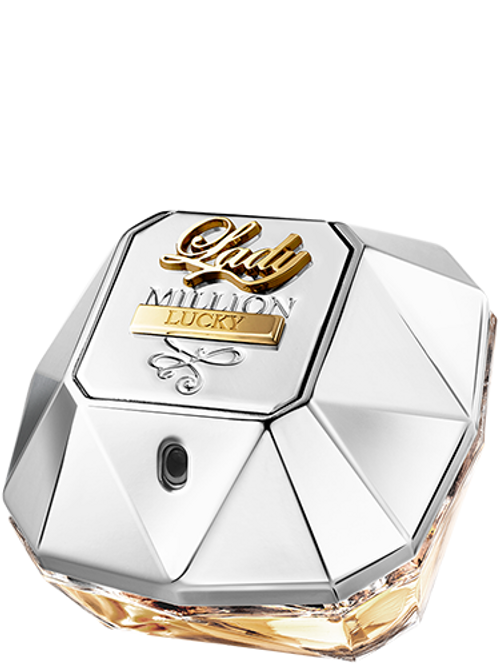
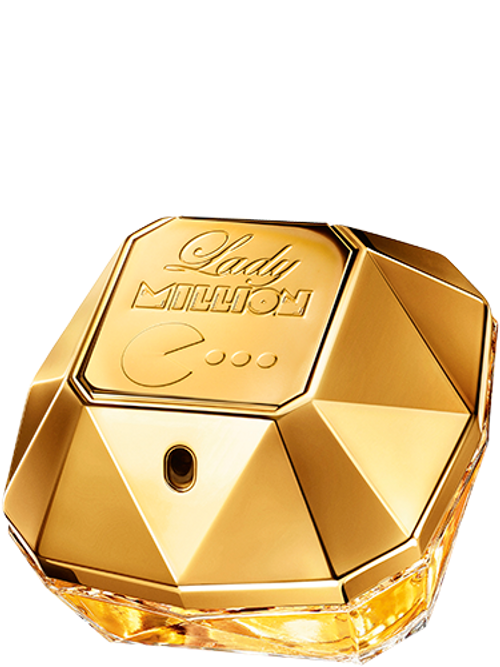
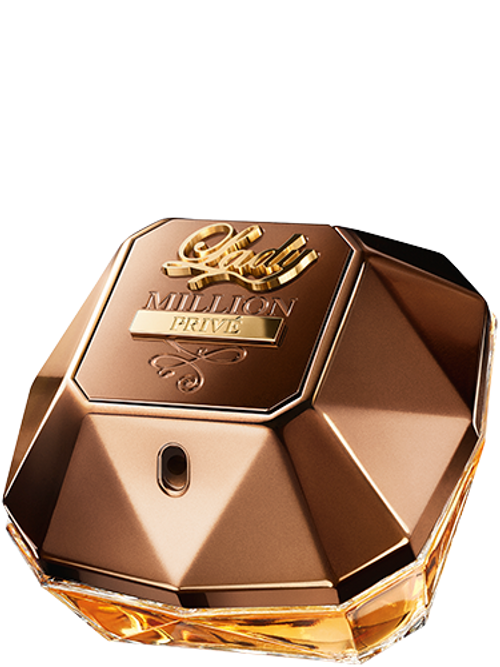
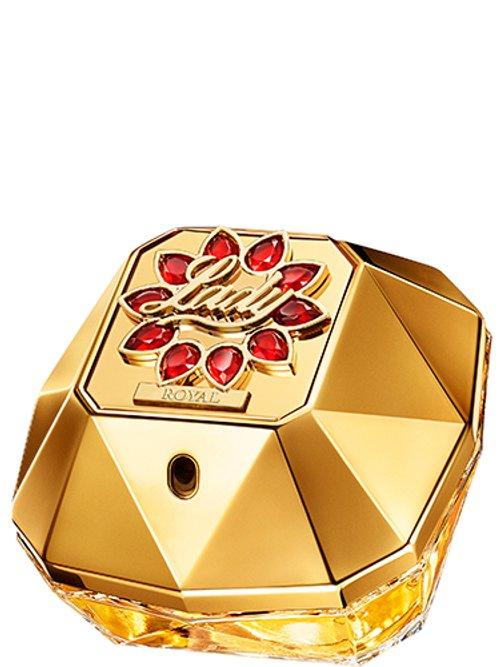
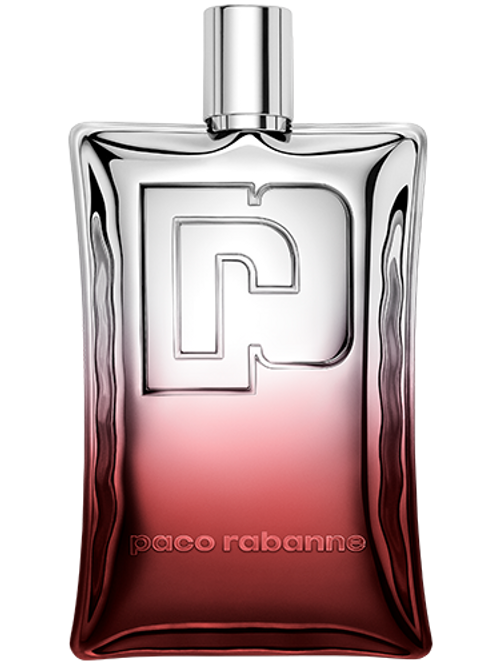
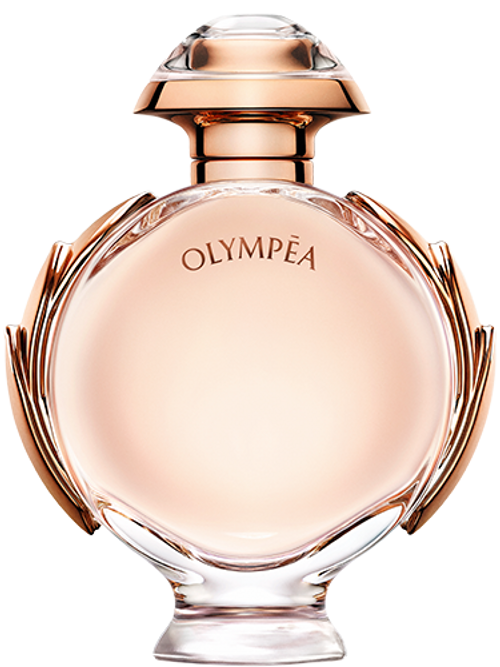
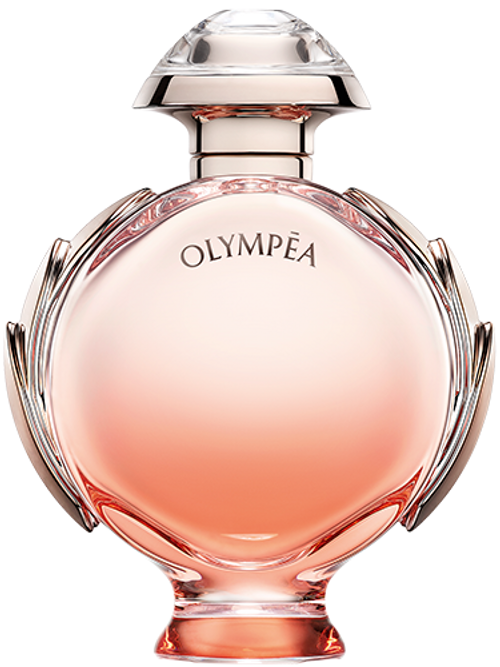
Founded in Paris in 1966 by Spanish-born designer Paco Rabanne, the house first drew attention with metal-disc dresses and a sculptural approach to fashion that translated unmistakably into perfumery. Calandre, released in 1969 under license with the Puig family, set a sleek aldehydic-rose template; Paco Rabanne pour Homme followed in 1973, and 1 Million and Lady Million later anchored the brand at department-store counters worldwide. Rabanne — the house dropped the first name in 2023 — sits within the Spanish family group Puig, which acquired it outright in 1986. The fragrances now span mainstream pillars and limited Phantom flacons, often built on accessible amber-woody or sweet-gourmand structures. The aesthetic remains metallic, futurist, and unapologetically commercial: bottles shaped like ingots and robots, scents engineered for instant recognition rather than slow contemplation. It suits wearers who want a confident silhouette in a single spray.
DNA over time
Each column is an era. Each colored band shows that family’s share of accord weight across every perfume the house released in that window. Bigger band = the house leaned harder on that family.