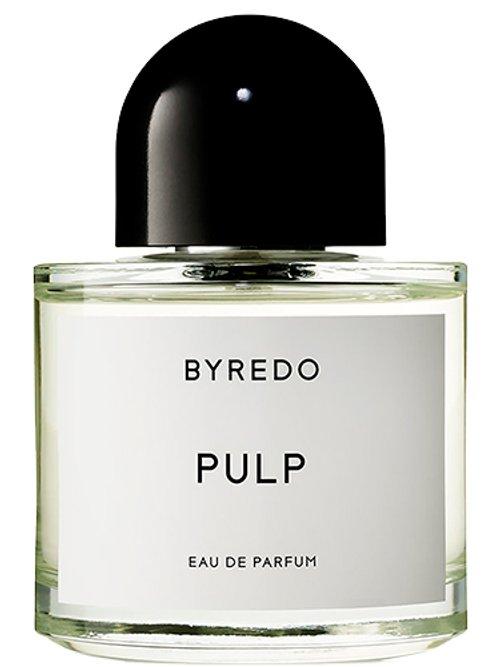
Pulp
The opening is a sharp shock of cassis—dark, tangy, almost sour—lifted by bergamot that keeps it from going too jammy.
The scent fingerprint
Weighted by intensity across 8 accords.
Every perfume in Sillage is represented as a distribution across canonical accord slugs — a lingua franca for scent. Two fragrances with overlapping fingerprints are scent-twins, even if they share no literal note.
- Green70
- Fresh50
- Woody50
- Sweet
The note pyramid
- Black Currant
- Cardamom
- Bergamot
- Fig
- Cedar
- Praline
By the editors · 2 min readThe opening is a sharp shock of cassis—dark, tangy, almost sour—lifted by bergamot that keeps it from going too jammy. Within minutes, fig emerges not as the milky latex of a split fruit but as something greener and more fibrous, a woody sweetness that feels botanical rather than gourmand.
As it settles, cedar adds a dry, pencil-shaving quality that tempers the initial juiciness, while praline brings a faint caramelized hum underneath. The effect is less fruity perfume than it is the memory of fruit: abstracted, slightly austere, more interested in texture than taste.
This is Byredo's early aesthetic distilled—minimalist, slightly opaque, unapologetically itself. It works best on those who prefer their sweetness complicated by shadows, who want something recognizable but never obvious. Pulp wears close and fades faster than its woody base suggests, leaving a soft, papery trace.
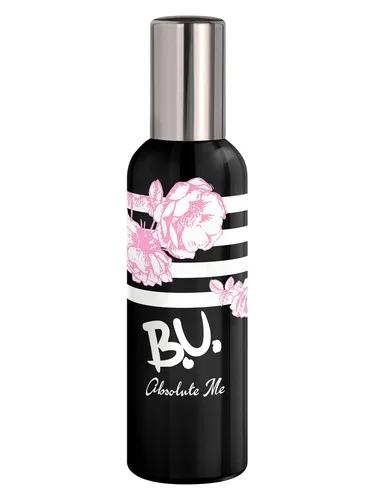
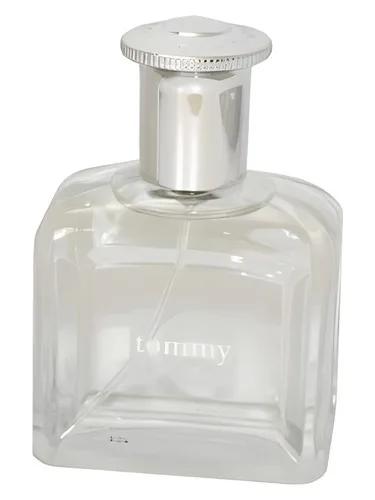
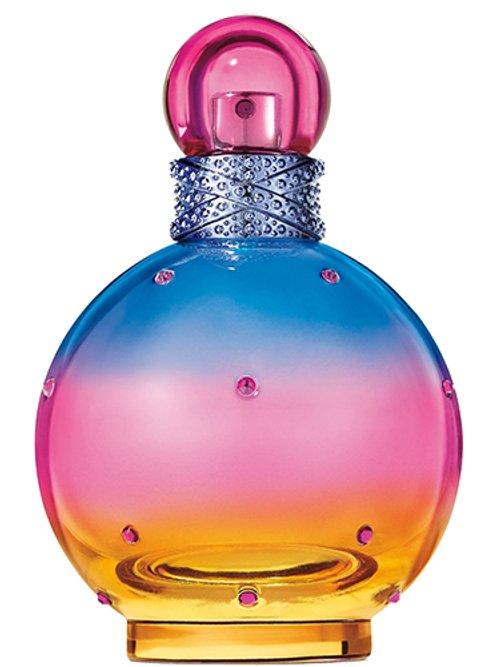
Scent twins

Factual metadata (name, house, year, notes) is seeded from public datasets. The editorial reading and scent fingerprint are written by Claude against our house style — none of it is scraped prose. Read our methodology.