L'Eau Eau de Toilette
Diptyque's founding fragrance, created in 1968 by artist Desmond Knox-Leet, was inspired by an old English recipe combining rose, geranium, and cloves.


The scent fingerprint
Weighted by intensity across 4 accords.
Every perfume in Sillage is represented as a distribution across canonical accord slugs — a lingua franca for scent. Two fragrances with overlapping fingerprints are scent-twins, even if they share no literal note.
- Cinnamon90
- Rose40
- Patchouli30
- Amber
The note pyramid
- Cinnamon
- Rose
- Geranium
- Sandalwood
- Cloves
- Ginger
By the editors · 2 min readDiptyque's founding fragrance, created in 1968 by artist Desmond Knox-Leet, was inspired by an old English recipe combining rose, geranium, and cloves. It opens on warm cinnamon and an unusually stiff rose — petals rather than perfume — before the heart reveals a green, slightly medicinal geranium that softens the spice into something more complex and domestic.
The base falls on cloves and sandalwood: dry, resinous, and faintly smoky. Nothing about L'Eau is modern; it belongs to a pre-marketing era when fragrance was closer to craft than fashion. Fifty years on, it wears like a found object — unusual, entirely self-assured, and indifferent to trend.
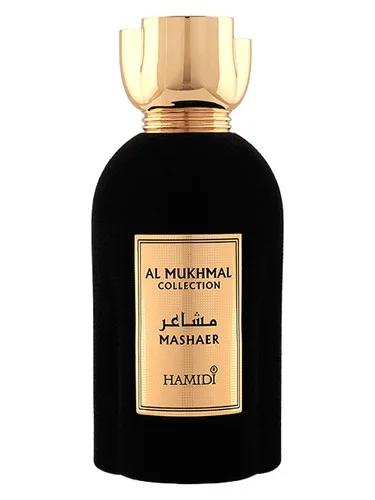
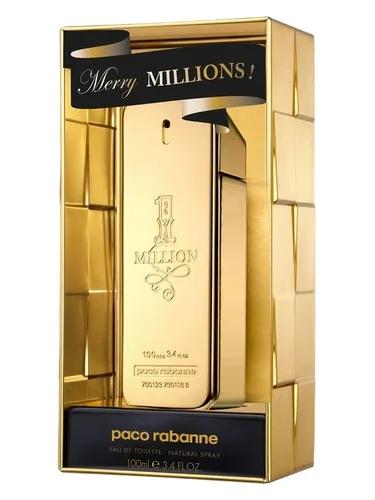
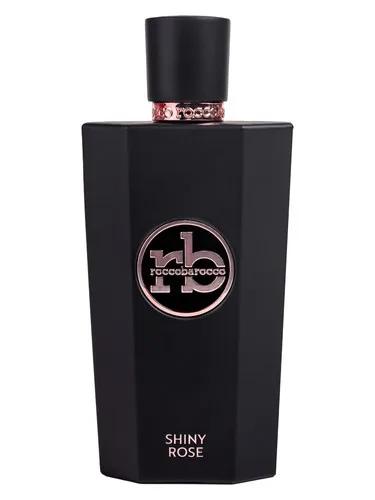
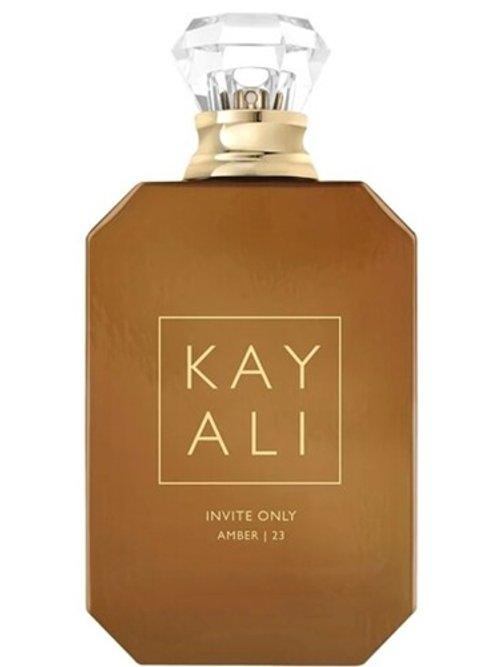
Scent twins
Factual metadata (name, house, year, notes) is seeded from public datasets. The editorial reading and scent fingerprint are written by Claude against our house style — none of it is scraped prose. Read our methodology.