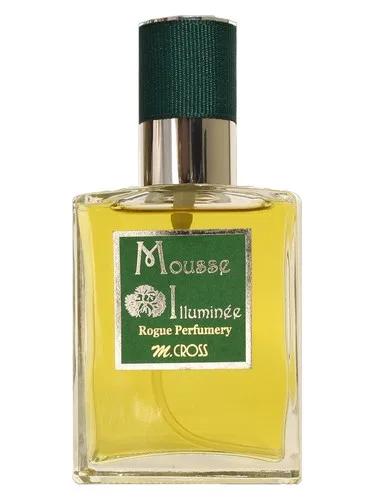
O de Lancome
The lemon arrives sharply, almost medicinal in its clarity, softened only slightly by bergamot's rounder citrus edge.

The scent fingerprint
Weighted by intensity across 13 accords.
Every perfume in Sillage is represented as a distribution across canonical accord slugs — a lingua franca for scent. Two fragrances with overlapping fingerprints are scent-twins, even if they share no literal note.
- Mossy75
- Herbal70
- Citrus65
- Aromatic
The note pyramid
- Lemon
- Bergamot
- Rosemary
- Basil
- Jasmine
- Sandalwood
By the editors · 2 min readThe lemon arrives sharply, almost medicinal in its clarity, softened only slightly by bergamot's rounder citrus edge. This isn't fruit-basket brightness but something more austere, closer to cologne concentrate than eau fraîche. Within minutes, rosemary and basil emerge with surprising force—herbal, green, nearly culinary—while jasmine remains restrained, a white floral accent rather than the star.
As it settles, the composition reveals its late-Sixties bones: oakmoss lends a gray-green depth that modern reformulations can only approximate, while vetiver and sandalwood provide a woody scaffold that keeps the herbs from floating away. The whole effect is brisk and unsentimental, more garden shears than garden party.
This wears like a deliberate refusal of sweetness, suited to those who find most citrus fragrances too cheerful or fleeting. It's formal without being dressy, clean without smelling scrubbed. A fragrance from an era when freshness meant sharp edges, not soft comfort.
Scent twins

In this family
Factual metadata (name, house, year, notes) is seeded from public datasets. The editorial reading and scent fingerprint are written by Claude against our house style — none of it is scraped prose. Read our methodology.