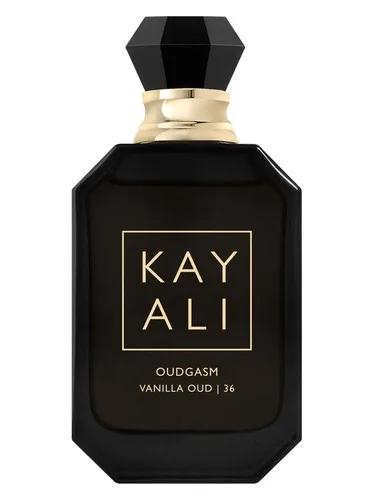
Habanita
Habanita opens with a deceptive softness—ripe peach and raspberry melt into orange blossom, suggesting something sweeter than what follows.
The scent fingerprint
Weighted by intensity across 15 accords.
Every perfume in Sillage is represented as a distribution across canonical accord slugs — a lingua franca for scent. Two fragrances with overlapping fingerprints are scent-twins, even if they share no literal note.
- Animalic50
- Mossy50
- Leather45
- Woody
The note pyramid
- Raspberry
- Peach
- Orange Blossom
- Bergamot
- Jasmine
- Ylang-Ylang
- Heliotrope
By the editors · 2 min readHabanita opens with a deceptive softness—ripe peach and raspberry melt into orange blossom, suggesting something sweeter than what follows. Within minutes, the perfume darkens considerably. Oakmoss and leather rise from underneath, transforming those initial fruits into something smoke-stained and dusky, as if glimpsed through a haze of vetiver and powder.
The heart blooms with jasmine and ylang-ylang, but these florals never feel fresh or innocent. They're hemmed in by heliotrope's almond-like warmth and a persistent leather note that gives the whole composition a vintage boudoir feel. Benzoin and vanilla in the base add a resinous sweetness, but it's tempered by moss and cedar—never cloying, always structured.
This is a perfume that wears heavy without feeling loud. It suits those drawn to the old-school chypré tradition, when florals were built on shadows rather than light, and sweetness was always laced with something earthier.
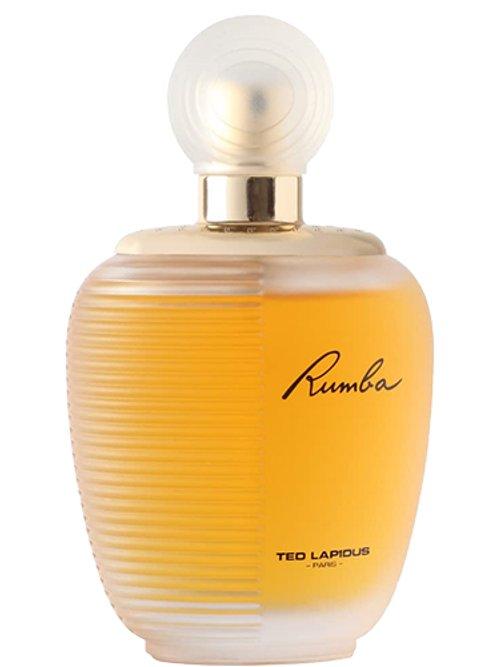
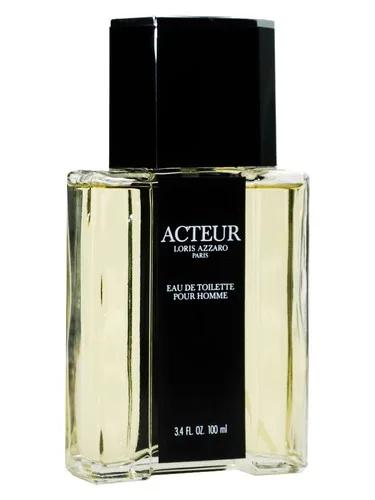
Scent twins
Factual metadata (name, house, year, notes) is seeded from public datasets. The editorial reading and scent fingerprint are written by Claude against our house style — none of it is scraped prose. Read our methodology.