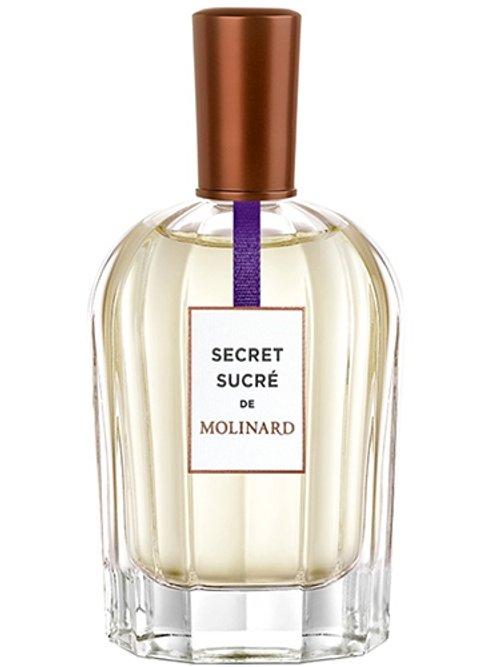
Molinard
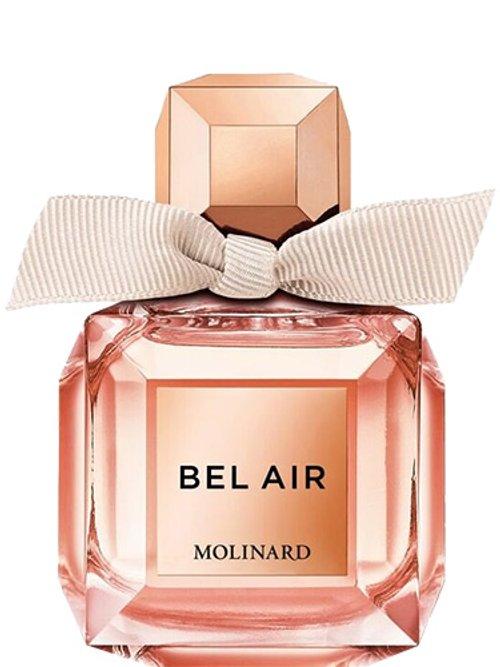
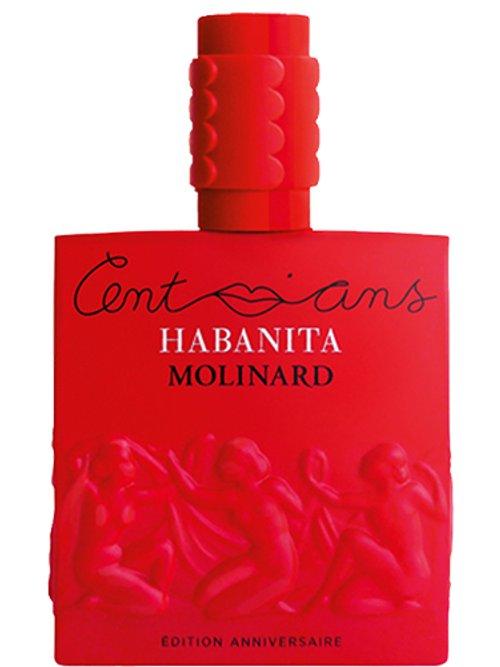
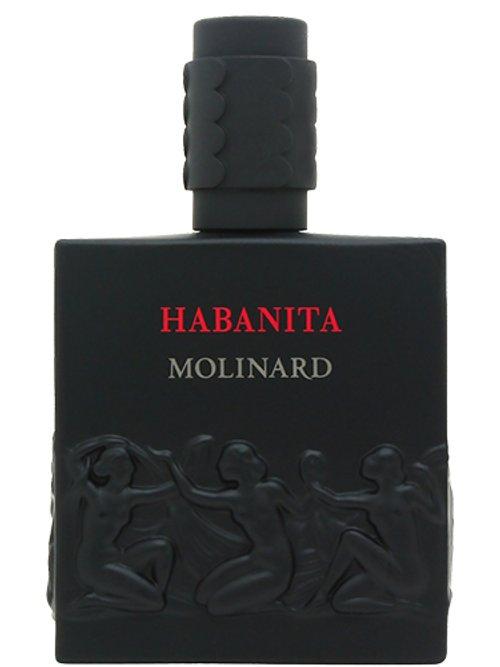
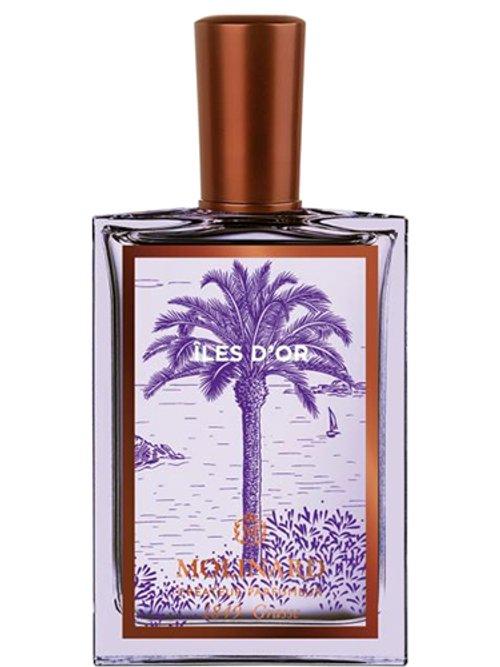
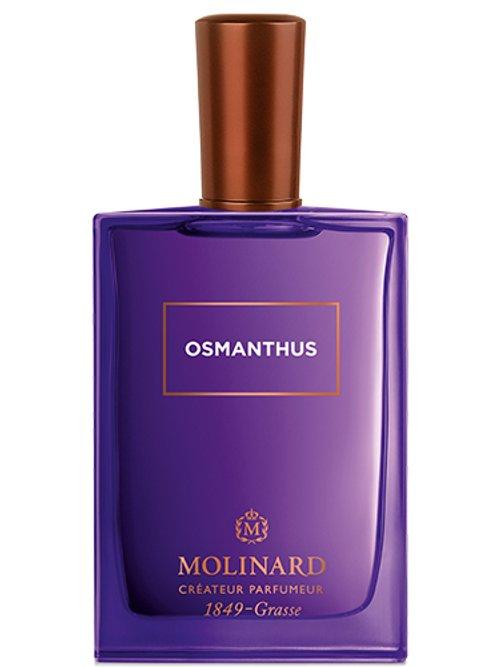
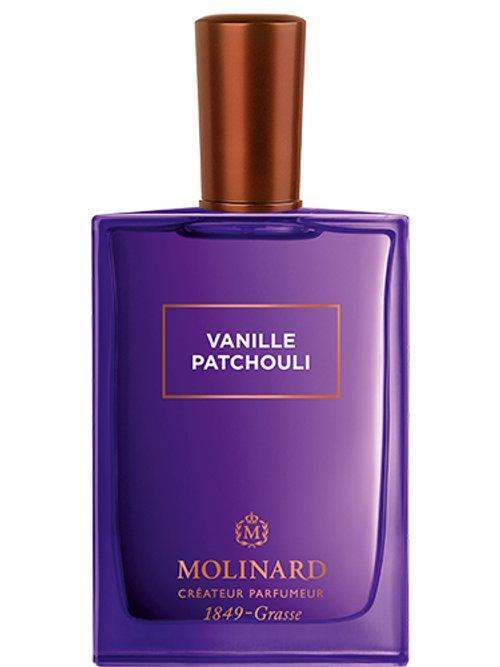
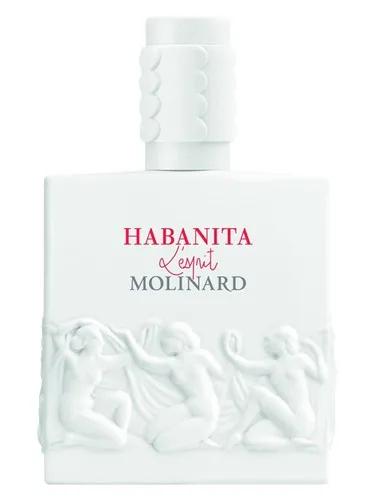
Molinard opened in Grasse in 1849, at the epicentre of the French perfume trade, and never left. Five generations of the Molinard family have operated the house from the same Provençal town, giving it an unusual continuity in an industry dominated by conglomerate acquisitions and brand pivots. The house holds the distinction of launching Habanita in 1921, one of the first oriental fragrances marketed explicitly to women — a musky, vanilla-and-tobacco composition still in production in close-to-original form. The current line reflects a double inheritance: heritage orientals and Provençal raw materials on one side, lighter Mediterranean soliflores on the other. Prices sit in the lower-niche register, making Molinard one of the more accessible independent French houses. Bottles for classical releases have been designed by Lalique and Baccarat at various points, and many of these Art Deco flagons are now collectible. Mathieu Nardin is cited as a contributing perfumer in secondary sources, though the house rarely credits noses publicly.
Releases
DNA over time
Each column is an era. Each colored band shows that family’s share of accord weight across every perfume the house released in that window. Bigger band = the house leaned harder on that family.