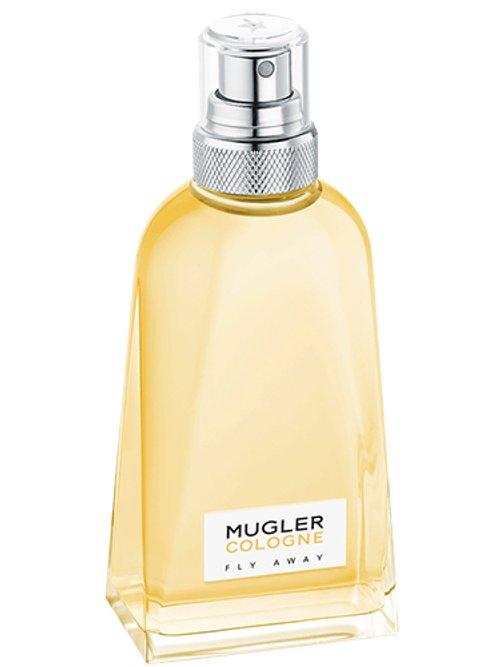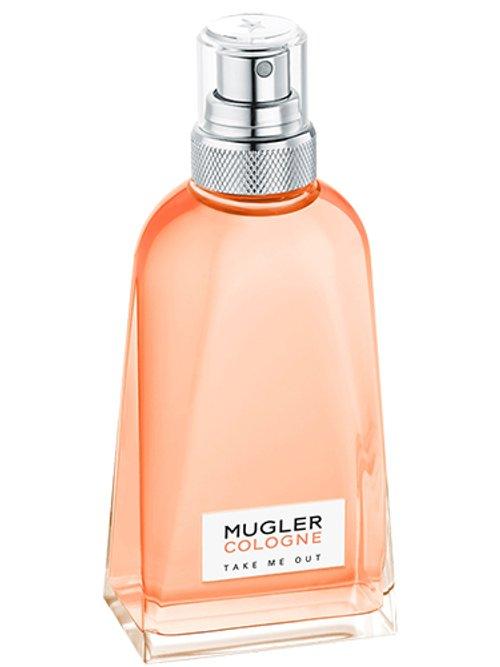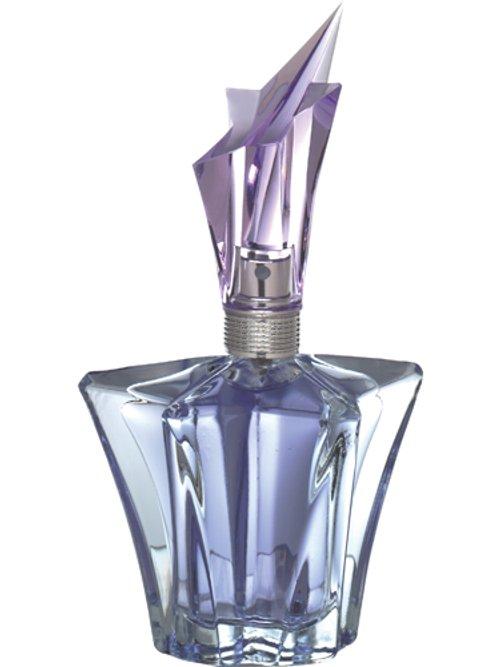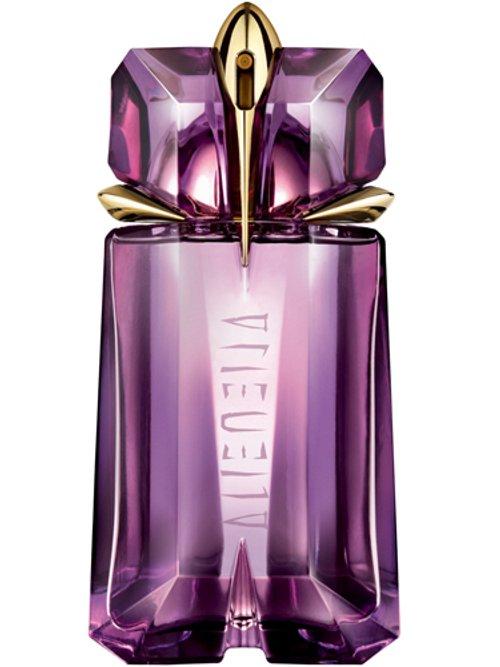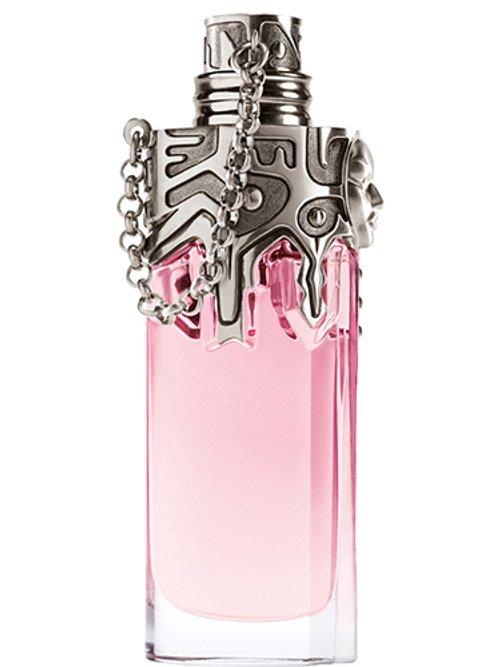
Mugler
Audacious, dream-filled scents wilder than imagination.
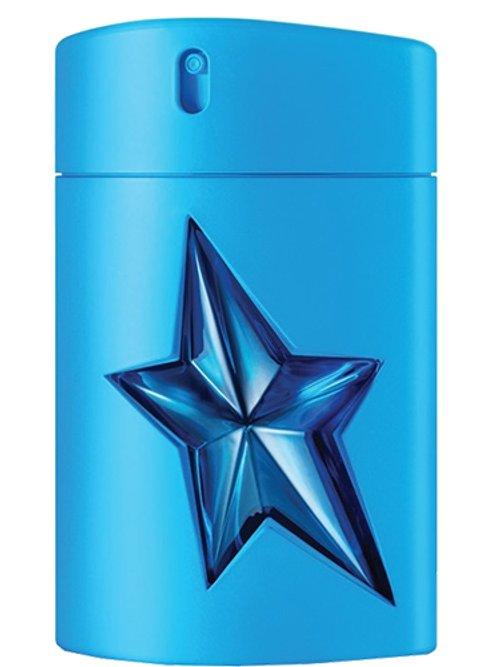
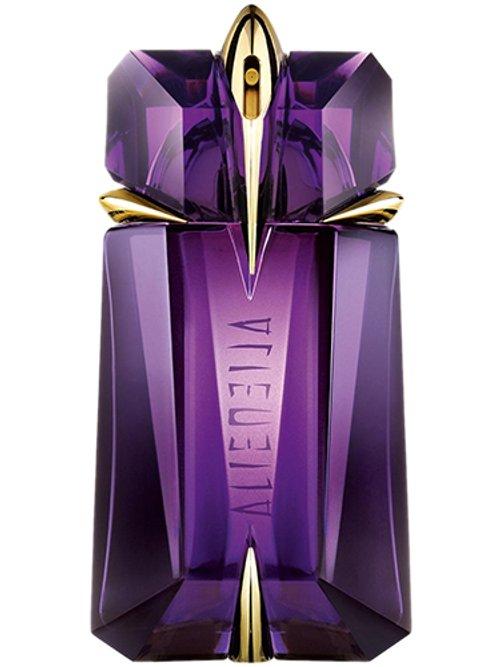
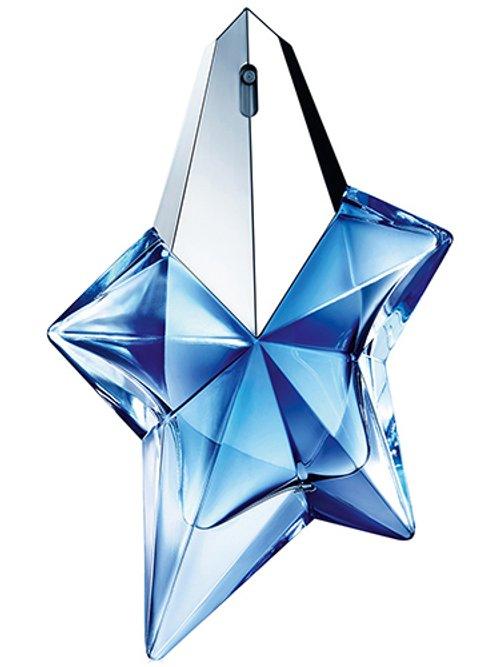
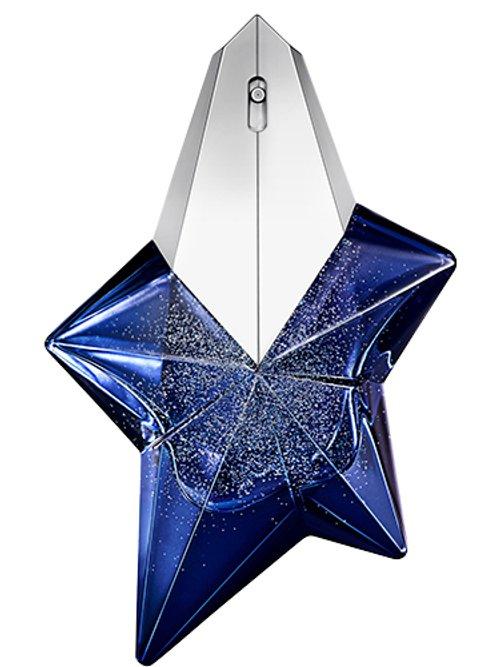
Thierry Mugler founded his fashion house in Paris in 1973, establishing a visual language of sculptural excess and theatrical silhouettes. The fragrance division entered the market in 1992 with Angel — a composition by Olivier Cresp that combined patchouli, caramel, and ethyl maltol in a formula that effectively invented the gourmand category and divided opinion for years before becoming one of the best-selling feminines of the 1990s and 2000s. Alien (2005) extended the house into white floral-amber territory with similar polarizing intensity. The catalog is primarily organized around Angel and Alien flankers — numerous each — plus the Les Exceptions unisex line, which offers more classically structured compositions. The 2019 rebrand from Thierry Mugler to simply Mugler signaled a modernizing move. L'Oréal acquired the brand from Clarins Group in 2023. The house suits wearers who want drama as a design principle: the compositions are meant to be experienced at distance and to leave an impression after the wearer has left the room.
DNA over time
Each column is an era. Each colored band shows that family’s share of accord weight across every perfume the house released in that window. Bigger band = the house leaned harder on that family.